

The Pros & Cons of Low-Flow Toilets: What You Need to Know

High water bills making you hesitate before each flush? We are your trusted plumbing experts ready to help you discover the pros and cons of low-flow toilets. This innovation has transformed how American households approach water conservation. These water-saving fixtures can make the most important difference to your utility bills and environmental footprint.
Let us guide you through the world of low-flow toilets. You’ll learn about their simple operation and possible cost savings. We’ll get into water efficiency benefits and tackle common performance concerns. Our practical tips will help you select the right model for your home. This piece provides all the information you need to make a smart choice, whether you want to upgrade or just explore water-saving options.
Understanding Low-Flow Toilets
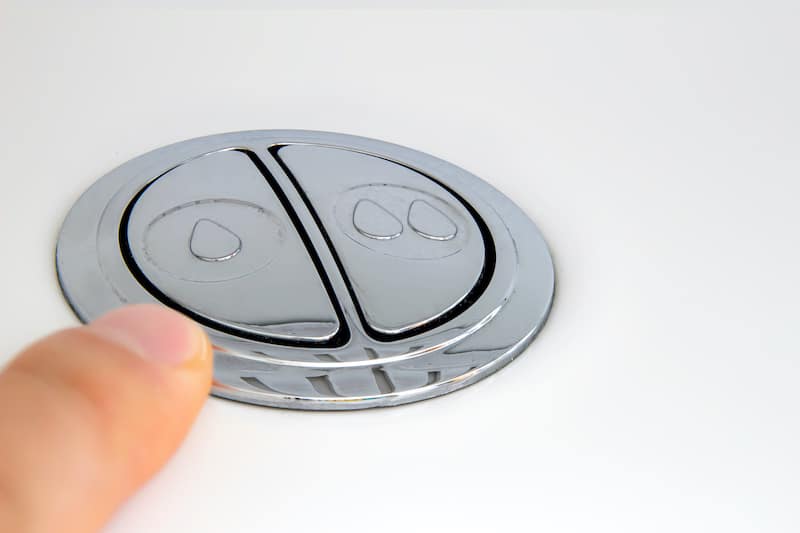
The development of toilet technology has changed significantly since the early 1990s. Traditional toilets used 5-7 gallons of water per flush. Modern low-flow toilets showcase impressive water conservation features and use only 1.6 gallons or less with each flush.
Definition and History of Low-Flow Toilets
The US Energy Policy Act of 1992 transformed bathroom fixtures with its mandate for water-efficient toilets. Early models had some issues, but manufacturers enhanced their designs quickly. Smart engineering and continuous improvements made these fixtures more reliable and efficient over time.
How Low-Flow Toilets Work
Modern low-flow toilets use advanced design features that maximize efficiency while using minimal water:

- A specialized bowl design that positions the outlet strategically
- A larger flush valve that delivers improved water flow
- Water distribution channels placed at key points
- Wider trap-ways that remove waste effectively
- Modern markets feature three main types of low-flow toilets, each with its own benefits:
- Gravity-Fed Models: These toilets use water weight and gravity to flush. They make less noise, need minimal maintenance, and serve most households reliably.
- Pressure-Assisted Systems: These models use compressed air to boost flushing power. Though somewhat louder, they prevent clogs better and handle heavy use well.
- Dual-Flush Technology: This versatile choice gives users two flush options – less water for liquid waste and full flow for solid waste. Families can save more water by using just what they need for each flush.
- Modern innovations keep pushing forward, and newer models now work impressively with just 1.28 gallons per flush. These High-Efficiency Toilets (HET) show how we can combine powerful performance with smart water usage.
Benefits of Low-Flow Toilets

Want to create a positive effect on your wallet and the environment? Our customers are surprised to find how much difference a low-flow toilet makes. These innovative fixtures offer impressive benefits that exceed simple functionality.
Water Conservation with Low-Flow Toilets

The numbers reveal an impressive story about water efficiency. A typical family saves approximately 13,000 gallons of water annually by switching to a low-flow toilet. These modern marvels use just 1.6 gallons per flush, while older models use 7 gallons. Families can accumulate significant savings throughout the day with multiple bathroom visits.
Low-Flow Toilet Cost Savings
Your wallet will thank you for making the switch. Many see reductions in their monthly water bills and enjoy average annual savings of $110. In fact, you could save up to $2,200 throughout your low-flow toilet’s lifetime. Local municipalities make this deal even better with rebates and incentives when you install water-efficient fixtures.
Environmental Impact

- Minimizes the load on water treatment facilities
- Protects natural water sources and ecosystems
- Cuts down water processing energy needs
- Strengthens local water conservation initiatives
- Save an incredible 520 billion gallons of water each year by upgrading to low-flow toilets.
Potential Drawbacks
Smart buyers should consider potential risks before deciding:
Original Investment

Price depends on several factors:
- Model quality and specific features
- Area labor costs
- Complexity of installation
- Required extra materials
- Total toilets to be replaced
- Performance concerns
Modern low-flow toilets have improved by a lot in recent years. Even so, however, clogs can happen occasionally, especially when you have gravity-driven models. Double-flushing occurs at similar rates compared to traditional toilets. The good news is that multiple flushes still consume less water than older models.
Low-Flow Toilet Installation Challenges

Owners of homes built before the mid-1980s face unique challenges. Your existing plumbing system might need changes to fit a low-flow toilet. A typical installation takes 2-4 hours, though plumbing adjustments could make this time longer:
- Older homes often need extra pipe modifications
- The right positioning will give optimal performance
- Results work best with professional installation
- Pressure-assisted models have specific setup needs
- Chemical in-tank cleaners can damage internal components and reduce flushing power, so you should avoid them. Your toilet’s performance works best when you use manufacturer-recommended parts for replacements. DIY installation might look appealing, but a professional installation will prevent future problems and give your new fixture the intended performance.
Making the Right Choice for Your Home
Looking for the perfect low-flow toilet? Our plumbing experts will help you select the best option that matches your family’s lifestyle.
Assessing Your Needs
Several key factors determine your ideal water-saving toilet choice. The bathroom’s dimensions play a crucial role, so you should think about the “rough-in” distance that separates your wall from the toilet’s mounting holes. Most toilets need 12 inches of space, though some bathrooms work better with 10-inch models. Your comfort height needs matter too. Standard toilets have a height of 14-15 inches, and comfort-height models stand 16.5 inches or taller.
Comparing Low-Flow Toilet Models

The market now has low-flow toilet options of all types that match your priorities:
- Gravity-Fed Systems
- Runs quietly
- Easy to maintain
- Works best at home
- Pressure-Assisted Models
- Delivers powerful flushes
- Great for high-traffic homes
- Stops clogs effectively
- Dual-Flush Technology
- Saves water efficiently
- Features modern designs
To Ensure Successful Low-Flow Toilet Installation:
- Turn off water supply and drain completely
- Remove old caulk well
- Install new wax ring properly
- Level the toilet base carefully
- Test everything before sealing
Your low-flow toilet works best with consistent maintenance. You should clean rim jets often, stay away from harsh chemicals, and check tank components monthly. Homeowners with older properties should ask a professional to check their plumbing system’s compatibility before installation.
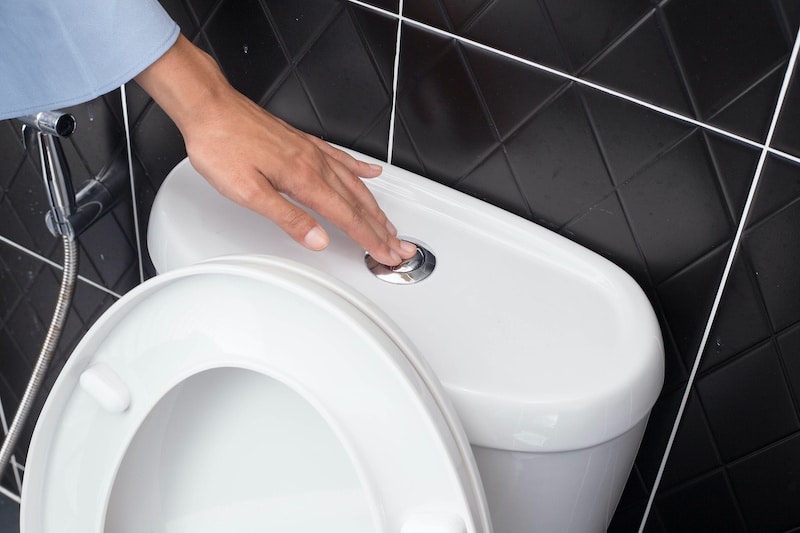
Low-flow toilets are a game-changing bathroom technology that helps both homeowners and the environment. These smart fixtures help families save thousands of gallons of water each year and cut down utility bills by hundreds of dollars. Manufacturers have used clever engineering and better designs to fix early performance issues. Now these toilets work as well as traditional ones, sometimes even better.
Think about your household needs, bathroom layout, and budget when choosing a low-flow toilet. Professional installation will give you the best performance and make your toilet last longer. This makes these water-saving fixtures worth every penny. Low-flow toilets are perfect for homeowners who want to save resources and money while keeping their modern comforts. They use less water, cost less to run, and help protect the environment.
About Viking Plumbing in Boise, Idaho
Viking Plumbing has become Boise’s long standing go to Plumber. With 35 years of experience, we have worked hard to earn the trust of our customers by providing exceptional plumbing, and customer service. Our customers continue to let us know their appreciation of our work with their 5 star testimonials. Whether you are dealing with clogged drains or need a whole home re-piping service, there is not a plumbing job too big for us to handle. If you or anyone you know are suffering from a plumbing issue, or are looking for a professional plumber to trust, we encourage you to give us a call now. (208) 369-9933 Let us earn your trust and business by providing you with the best Plumbing Service in Boise, Idaho!