

The Hidden Plumbing Costs of a “Working System“
Most homeowners assume their plumbing system is fine as long as nothing dramatic happens. If the faucets still run, the toilets still flush, and the shower still gets hot, the system seems to be doing its job. From the outside, that logic makes sense. But in plumbing, “working” and “working well” are not always the same thing.

At Viking Plumbing, we often find plumbing systems that still function day to day while quietly creating unnecessary expense, stress, and future repair risk. Nothing has burst. Nothing has flooded the home. No one has called in a panic. Yet the system is still wasting water, straining fixtures, wearing out components, and setting the stage for a much more expensive problem later.
That hidden middle ground matters. A plumbing system does not have to fail completely to cost you money. In many Boise homes, the real problem starts when owners live with small inefficiencies for years because everything seems “good enough.”

A plumbing system can continue operating while slowly losing efficiency in several areas at once. Water pressure may feel a little uneven from one side of the house to the other. A faucet may drip occasionally. A toilet may run for a few extra seconds after every flush. Pipes may deliver water, but more slowly than they used to. Hot water may take longer to arrive than it should.
None of those issues always feel urgent on their own. Together, though, they often point to a system that needs attention. This matters because plumbing supports almost every part of daily life. You cook with it, clean with it, bathe with it, do laundry with it, and rely on it without thinking much about it. When that system loses efficiency, the effects show up in your water bill, your utility usage, your comfort, and eventually your repair costs.

Slow Leaks Rarely Stay Small
One of the most common hidden costs in a “working” plumbing system comes from slow leaks. These leaks usually do not announce themselves with a dramatic puddle. Instead, they show up quietly and keep doing damage in the background.
We often see slow leaks in places like:
- Faucet connections
- Supply lines under sinks
- Toilet components
- Shutoff valves
- Pipe joints behind walls
- Outdoor hose bibs
A tiny leak may not seem like a major concern, but the math adds up quickly. Water waste continues day after day. Moisture can collect in cabinets, wall cavities, flooring materials, or framing. Over time, that can lead to staining, swelling, wood damage, mold growth, and repairs that cost far more than the original plumbing fix would have cost.
That is why small leaks deserve attention. A system can still “work” while quietly damaging the home around it.

Pressure Imbalance Creates Wear Throughout the System
Water pressure problems do not always appear as total failure either. Sometimes the shower feels too aggressive. Other times, the kitchen sink seems weaker than it used to. Sometimes one fixture loses force while another stays strong. Homeowners often adjust to those changes and stop noticing them, but pressure imbalance usually points to a deeper issue.
In some homes, the problem comes from buildup inside older piping. In others, it comes from failing regulators, partial blockages, worn valves, or aging fixtures. Hard water conditions in the Treasure Valley can also contribute to mineral accumulation that affects flow and fixture performance over time.
Pressure that runs too high puts extra stress on pipes, fittings, water heaters, valves, and appliances. Pressure that runs too low creates frustration and can signal developing restrictions inside the system. Either way, the plumbing may still appear functional while operating in a way that shortens component life and reduces efficiency.
Aging Pipes Can Cost You Before They Fail
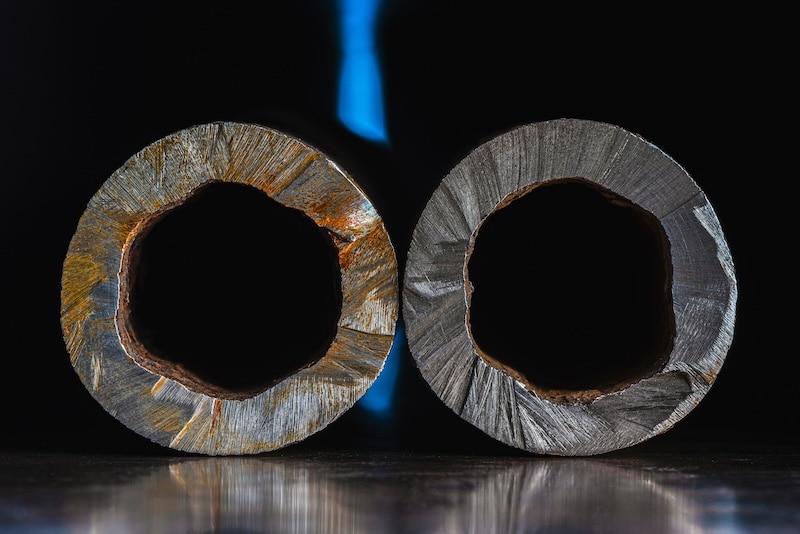
Unfortunately, aging pipes create another hidden expense. Many homeowners only think about replacing piping after a serious leak, but older plumbing often causes problems long before that point. As pipes age, interior surfaces can corrode, collect scale, or narrow enough to affect water flow and quality.
That means a home may still have running water while dealing with:
- Reduced flow at fixtures
- Uneven pressure
- Discolored water
- Metallic taste
- Recurring leaks in isolated areas
- Increased risk of larger failures
Older pipes also make spot repairs less predictable. You may fix one section only to find another weak point later. In that way, the system keeps “working,” but it becomes less dependable and more expensive to maintain over time.
Hidden Inefficiency Raises Utility Costs
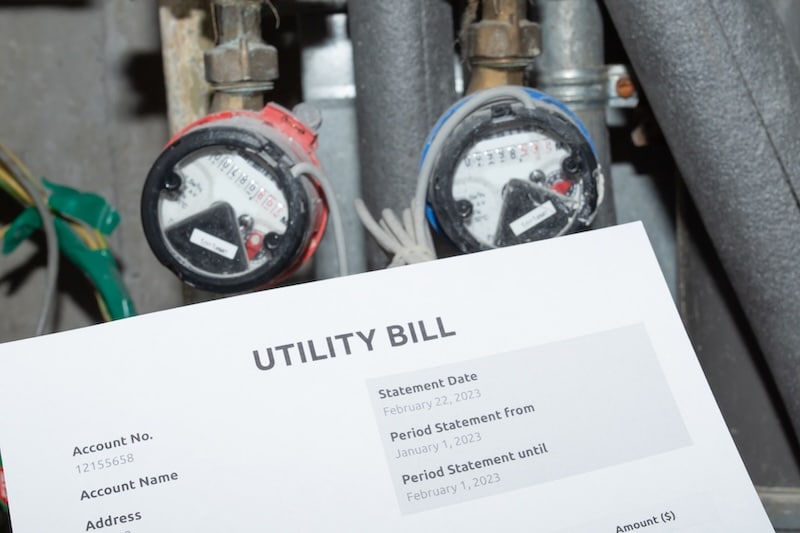
A plumbing system does not just affect water usage. It can also affect energy costs, especially when hot water delivery becomes less efficient. If water takes too long to reach fixtures, you waste both water and the energy used to heat it. Furthermore, if a toilet runs or a fixture leaks, your utility bill reflects that ongoing loss. If mineral buildup forces your water heater to work harder, operating costs rise again.
Homeowners sometimes blame seasonal changes or general utility increases without realizing that their plumbing system is contributing to the problem. That is one reason inspections matter. When we evaluate a system, we are not just looking for what is broken. We are also looking for what is underperforming.
Small Plumbing Problems Often Lead to Bigger Structural Costs
The hidden cost of inefficient plumbing goes beyond the plumbing itself. Water affects surrounding materials fast. A slow drip under a sink can ruin cabinet bases. A hidden leak can damage drywall, insulation, or flooring. Persistent moisture can attract mold. A small issue near an exterior wall can create much bigger repair bills once framing or finishes get involved.
In other words, plumbing inefficiency often becomes a home repair issue, not just a plumbing issue. That is why it makes sense to address concerns while they are still contained. Once water escapes the system and reaches surrounding materials, the scope grows quickly.

Boise Homes Need a Preventative Mindset
In the Boise area, we see a wide mix of plumbing ages, materials, and layouts. Some homes have older systems with predictable wear patterns. Others have newer plumbing but still deal with pressure issues, fixture wear, or hard water effects. In both cases, waiting until something fails usually costs more than taking a proactive approach.
A preventative mindset helps homeowners stay ahead of the most expensive problems. That does not mean replacing everything at once. It means understanding how the system is performing, identifying weak points, and making smart repairs before an emergency forces the issue.
Sometimes the right move is as simple as replacing a worn valve, correcting pressure, repairing a minor leak, or evaluating older pipes before they become a larger concern.
What Homeowners Should Watch For
Many hidden plumbing issues leave clues before they turn serious. It is worth paying attention if you notice:

- A gradual rise in your water bill
- Inconsistent pressure
- Dripping fixtures
- Toilets that run longer than they should
- Slow hot water delivery
- Repeated minor repairs
- Water discoloration
- Unusual pipe noises
None of those symptoms automatically means you need major work. But they do mean your system deserves a closer look.
Working Plumbing Should Still Work for You
A plumbing system should do more than barely avoid failure. It should deliver reliable pressure, efficient water use, consistent performance, and peace of mind. If your system still “works” but shows signs of inefficiency, delay often turns a manageable repair into a much more expensive one.
At Viking Plumbing, we help homeowners in Boise and across the Treasure Valley identify those hidden costs before they become emergencies. If something feels off, even slightly, now is the right time to investigate it. Catching small issues early usually saves money, protects your home, and keeps your plumbing system performing the way it should.
About Viking Plumbing In Boise, Idaho

Viking Plumbing is your trusted, full-service plumbing company proudly serving Boise, Meridian, and the entire Treasure Valley. Our experienced plumbers fix toilets, repair leaks, clear drains, replace water heaters, and solve complex plumbing problems with skill and integrity. When you need reliable plumbing in Idaho, our team stands ready to help. Reach out today for fast service, transparent communication, and long-lasting solutions.