

We recently addressed a local homeowner’s concern. They thought they wanted a tankless water heater to solve the issue of hot water delivery to their upstairs bathrooms. However, as we surveyed the situation, we realized that they did not need to change water heaters. Instead, to rectify the situation, they needed a continuous loop water delivery system. They were relieved at this conclusion, since the solution was so much more affordable than purchasing a new water heater. So, how do you decide which water heater is right for you? Give us a call. We’ll be happy to help assess the situation and offer our expertise.
How to Choose a Water Heater: Does a Tankless Water Heater Deliver Hot Water & Save Money?

Are you wondering if a tankless water heater can save you money? We’re here to help you make an informed decision about your home’s water heating needs. Water heaters are a crucial part of our daily lives, providing hot water for showers, dishes, and laundry. But with rising energy costs, it’s important to consider the most cost-effective options available.
In this post, we discuss different types of water heaters, compare their energy efficiency, and analyze the costs of tankless versus traditional models. We’ll also discuss key factors to consider when choosing a water heater, including maintenance requirements and potential cost savings. By the end, you’ll have a clear understanding of whether a tankless water heater is the right choice for your home and budget.
Types of Water Heaters Delivering Hot Water

When considering whether a tankless water heater saves money, it’s important to understand the different types of water heaters available. Each type has its own advantages and considerations when it comes to energy efficiency and cost savings.
Tank Storage Water Heaters

These are the most common type of water heaters. They have a large, insulated tank that stores and heats water continuously. While they’re generally less expensive to purchase and install, they can be less energy-efficient as they constantly use energy to maintain the water temperature.
Tankless Water Heaters & Hot Water
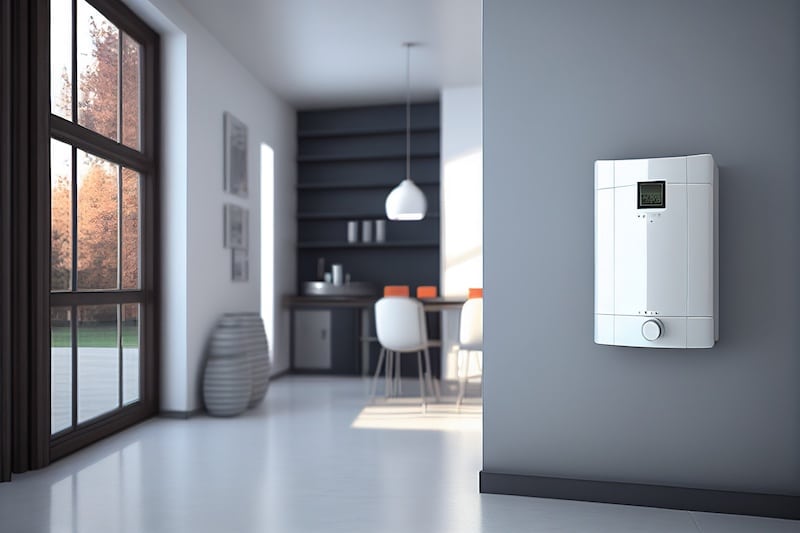
Also known as on-demand water heaters, these systems heat water directly as it flows through the unit. They don’t store hot water, which can lead to energy savings. Tankless water heaters are more compact and can provide an endless supply of hot water, but they may have higher upfront costs.
Heat Pump Water Heaters

These innovative systems use electricity to move heat from the surrounding air to the water, rather than generating heat directly. They can be two to three times more energy-efficient than conventional electric resistance water heaters, potentially leading to significant cost savings over time.
Solar Water Heaters

Harnessing the power of the sun, these systems use solar panels to heat water. While they can be highly energy-efficient and environmentally friendly, their effectiveness can vary depending on climate and available sunlight. Solar water heaters often come with a backup system to ensure hot water availability during cloudy periods.
Each type of water heater has its own maintenance requirements and potential for cost savings. When choosing a water heater, consider factors such as your household’s hot water needs, available space, and long-term energy efficiency goals.
Hot Water & Energy Efficiency Comparison

When considering if a tankless water heater saves money, it’s crucial to compare the energy efficiency of different types of water heaters. This comparison helps us understand the potential cost savings and long-term benefits of each option.
Energy Factor Ratings

The energy factor (EF) is a key measure of a water heater’s efficiency. It shows how effectively the heater converts energy input into hot water. Tankless water heaters typically have higher EF ratings than traditional tank models. For instance, gas tankless heaters can have EF ratings of 0.95 or higher, while conventional gas storage heaters often have EF ratings around 0.60 to 0.65.
Annual Energy Consumption

The yearly energy use of a water heater has a significant impact on its operating costs. Tankless water heaters generally consume less energy annually compared to storage tank models. For homes using 41 gallons or less of hot water daily, tankless heaters can be 24%-34% more energy-efficient than conventional storage tank water heaters. This efficiency translates to lower energy bills and potential cost savings over time.
Operating Costs

The cost to run a water heater varies depending on the type and energy source. While gas water heaters often have lower operating costs due to cheaper natural gas prices, electric models can be more efficient. For example, a gas tankless water heater might cost around $195 annually to operate, while an electric tankless model could cost about $535. These figures can vary based on local energy rates and usage patterns. When considering long-term savings, it’s important to factor in both the initial purchase price and ongoing operating costs of different water heater types.
Allow us to help you evaluate whether you even need a new water heater. It maybe that you just need a new delivery system, so hot water makes it to every bathtub and shower in your home.
Cost Analysis of Tankless vs. Traditional

Initial Purchase and Installation Costs
When comparing tankless water heaters to traditional models, the upfront costs are a significant factor. Tankless water heaters typically have a higher initial price tag, ranging from $1,000. to $3,000, including installation. In contrast, traditional tank-based water heaters usually cost between $700.00 to $ 2,000, depending on brand and capacity. The installation of tankless units can be more complex, often requiring upgrades to gas lines or electrical systems, which can add to the overall expense.
Long-Term Energy Savings
Despite the higher initial cost, tankless water heaters offer potential long-term savings due to their energy efficiency. These units heat water on demand, which can result in energy savings of 24%-34% compared to conventional storage tank water heaters. The U.S. Department of Energy estimates that gas-fired tankless heaters can save an average of $108 in energy costs per year, while electric tankless heaters save about $44 annually.
Maintenance Expenses
Both tankless and traditional water heaters require regular maintenance to function optimally. Tankless units need annual flushing to prevent mineral buildup, especially in areas with hard water. This maintenance is crucial for maintaining efficiency and preserving the warranty. Traditional tank heaters may require less frequent maintenance but might need more extensive repairs over time.
Lifespan Considerations
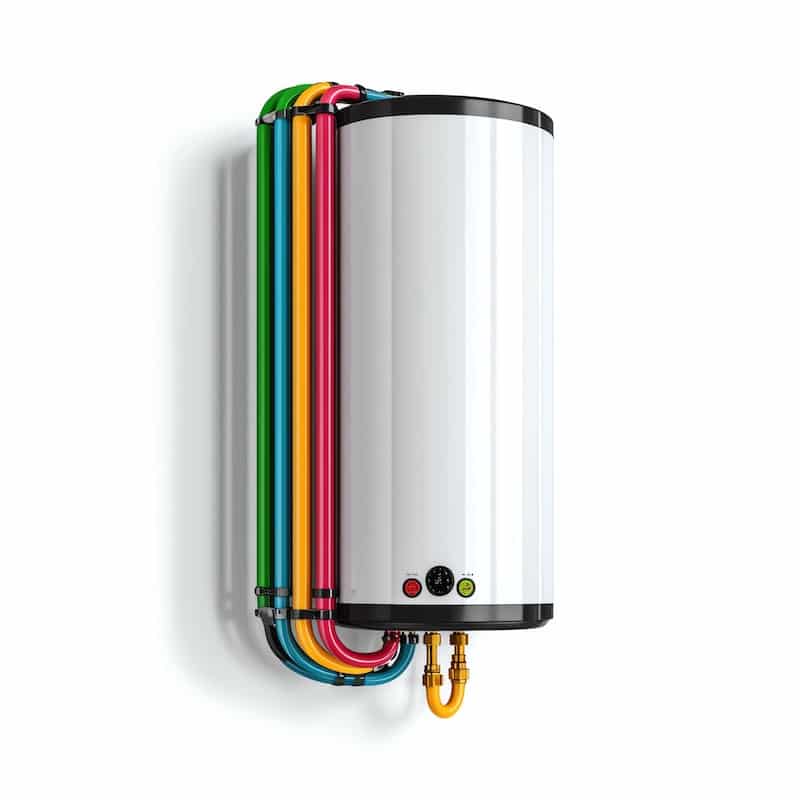
Tankless water heaters typically have a longer lifespan, lasting 15-20 years or more. This extended lifespan can offset the higher initial cost when compared to traditional tank heaters, which usually last 8-12 years. The longer lifespan of tankless units means fewer replacements over time, potentially leading to cost savings in the long run.
Choosing the right water heater involves weighing various factors, including energy efficiency, long-term costs, and household needs. Tankless water heaters offer potential savings through improved energy efficiency and longer lifespans, despite higher upfront costs. The decision ultimately depends on individual circumstances such as hot water demand, available space, and local energy prices. These elements have an influence on the overall cost-effectiveness and suitability of a tankless system for your home.
To make an informed choice, consider your household’s specific requirements and long-term financial goals. A tankless water heater might lead to significant savings over time, especially for homes with lower hot water usage. If you are pondering which water heater to invest in, give us a call. We will be happy to offer our advice and assistance with selection and installation. By carefully evaluating your options and consulting with professionals, you can find a water heating solution that balances efficiency, cost, and performance to meet your needs.
About Viking Plumbing in Boise, Idaho
Viking Plumbing has become Boise’s long standing go to Plumber. With 35 years of experience, we have worked hard to earn the trust of our customers by providing exceptional plumbing, and customer service. Our customers continue to let us know their appreciation of our work with their 5 star testimonials. Whether you are dealing with clogged drains or need a whole home re-piping service, there is not a plumbing job too big for us to handle. If you or anyone you know are suffering from a plumbing issue, or are looking for a professional plumber to trust, we encourage you to give us a call now. (208) 369-9933 Let us earn your trust and business by providing you with the best Plumbing Service in Boise, Idaho!