
Water Heater Fails

Most homeowners don’t think about their water heater until something goes wrong. And when it does go wrong, it doesn’t fail quietly. A traditional tank water heater can release dozens of gallons of water into your home in a matter of minutes. That water doesn’t stay neatly contained—it spreads across floors, seeps into walls, and soaks into anything in its path. At Viking Plumbing in Boise, Idaho, we’ve seen firsthand how quickly a small failure turns into water heater fails. The better question isn’t if your water heater will fail—it’s how prepared you are when it does.
What Happens When a Tank Water Heater Fails?

Traditional tank water heaters store anywhere from 40 to 80 gallons of water at all times. When the tank fails—whether from corrosion, pressure issues, or age—that stored water has nowhere to go except into your home.
We often see:
- Flooded basements
- Water-damaged flooring
- Saturated drywall and insulation
- Personal belongings ruined within minutes
And that’s just the beginning. Water damage doesn’t stop when the leak stops. It continues as moisture spreads, creating conditions for mold growth and structural issues.
How Much Water Can a Water Heater Release?

A standard 50-gallon water heater doesn’t leak slowly when it fails—it can release its entire contents rapidly.
That means:
- 50+ gallons on your floor
- Additional water continuing to flow if supply lines remain open
- Damage spreading beyond the immediate area
To put that into perspective, that’s equivalent to dumping multiple large bathtubs of water into your home all at once. That’s why we emphasize prevention—not just reaction.
Can I Prevent Water Heater Fails?

You can’t stop a tank from aging, but you can absolutely reduce your risk. The most effective way to flood-proof your home involves upgrading your system—or at the very least, understanding its limitations.
This is where many homeowners face a decision:
- Replace a failing tank with another tank
- Or upgrade to a tankless system
That decision affects more than just hot water—it affects your home’s safety and long-term value.
Tank vs. Tankless: What’s the Real Difference?
Let’s break it down clearly.
Traditional Tank Water Heater Fails

- Stores large amounts of water
- Higher risk of catastrophic leaks
- Takes up more space
- Limited hot water supply
Tankless Water Heater
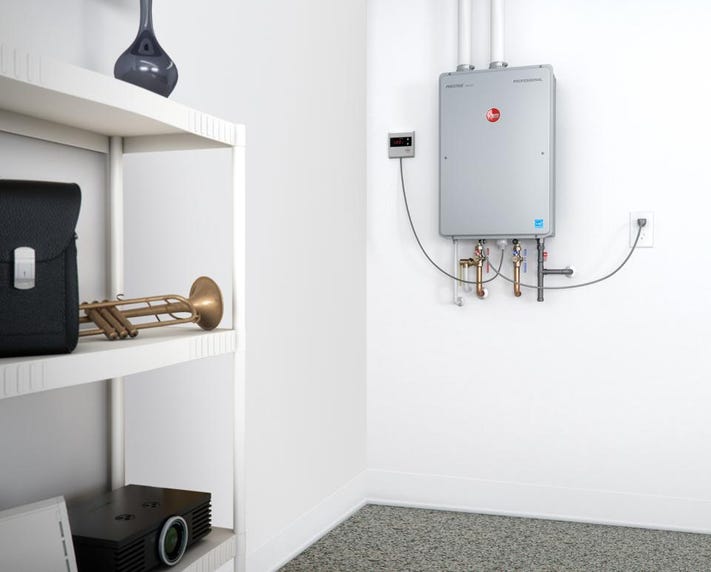
- Heats water on demand
- No stored water = no large-scale flood risk
- Compact design
- Continuous hot water
From a risk perspective alone, tankless systems eliminate one of the biggest threats: stored water waiting to escape.
Do Tankless Water Heaters Save Money?
Yes—and not just in one way. Tankless systems operate more efficiently because they only heat water when you need it. That leads to:
- 24%–34% energy savings compared to traditional tanks
- Lower monthly utility bills
- Reduced energy waste over time
But the financial benefits go beyond energy savings.
Can Upgrading My Water Heater Increase My Home’s Value?

It can. Modern buyers look for efficiency, reliability, and upgraded systems. A tankless water heater checks all three boxes. In many cases, upgrading will:
- Increase home value by up to 4%
- Improve buyer appeal
- Position your home as updated and well-maintained
That’s why we tell homeowners:
Don’t just replace your water heater—upgrade your home’s equity.
Why Waiting Costs More Than Upgrading
Many homeowners wait until their water heater fails before acting. By that point, the damage has already occurred.Waiting can lead to:
- Emergency replacement costs
- Water damage repairs
- Insurance claims and deductibles
- Lost time and disruption
Planning ahead allows you to:
- Choose the right system
- Schedule installation at your convenience
- Avoid emergency situations
How Do I Know If My Water Heater Is at Risk?
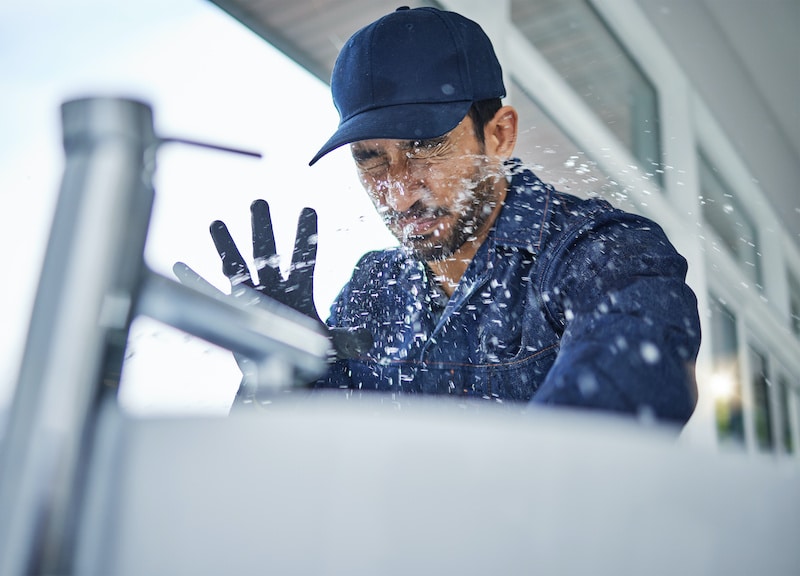
Water heaters rarely fail without warning. Watch for signs like:
- Rust or corrosion on the tank
- Strange noises (popping or rumbling)
- Fluctuating water temperature
- Visible leaks or moisture around the base
- Age (most tanks last 8–12 years)
If your system shows any of these signs, it’s time to start planning your next move.
What’s the Best Way to Protect My Home Right Now?
If you’re not ready to upgrade immediately, there are still steps you can take:
- Install a drain pan under your water heater
- Add a leak detection device
- Schedule an inspection to assess condition
- Understand the age and expected lifespan of your system
But these measures only reduce risk—they don’t eliminate it. The only way to remove the threat of a tank-related flood is to eliminate the tank.
Why Boise Homeowners Are Making the Switch
Across Boise and the Treasure Valley, more homeowners are moving toward tankless systems for one simple reason: They want control.
They don’t want to worry about:
- Sudden failures
- Water damage
- Running out of hot water
- Inefficient energy use
They want a system that works when they need it—and doesn’t create problems when they don’t.
Ready to Upgrade Instead of Replace?
If your current water heater is aging—or if you want to eliminate the risk of a major water event—it’s time to look at your options.
At Viking Plumbing, we help homeowners:
- Evaluate their current system
- Understand tank vs. tankless differences
- Choose the right solution for their home
- Install systems that improve performance and reliability
We don’t push one-size-fits-all solutions. We help you make the right decision for your home, your budget, and your long-term goals. Don’t wait for a failure to force your hand. Call Viking Plumbing today and take the first step toward protecting your home—and upgrading its value at the same time.
About Viking Plumbing in Boise, Idaho

Viking Plumbing is your trusted, full-service plumbing company proudly serving Boise, Meridian, and the entire Treasure Valley. Our experienced plumbers fix toilets, repair leaks, clear drains, replace water heaters, and solve complex plumbing problems with skill and integrity. When you need reliable plumbing in Idaho, our team stands ready to help. Reach out today for fast service, transparent communication, and long-lasting solutions.