

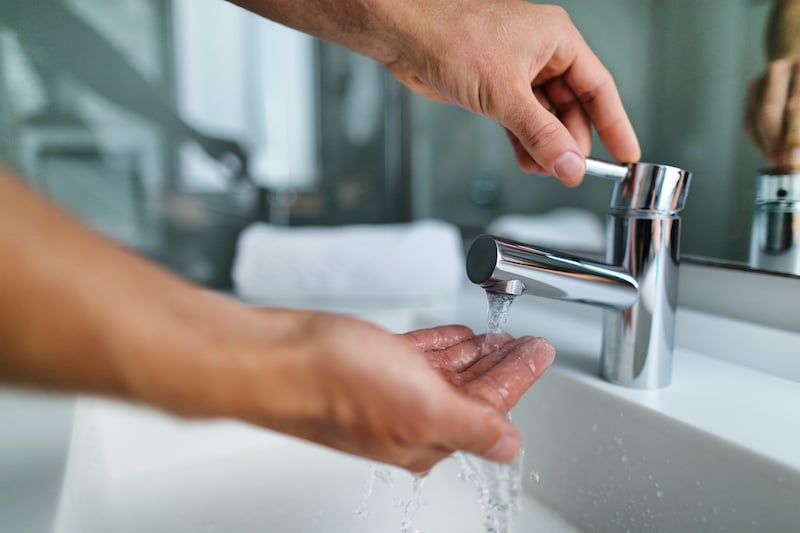
You’ve probably experienced turning on your shower, expecting a refreshing spray, but getting either a weak trickle or an overwhelming blast instead. Water pressure plays a significant role in your daily comfort and your plumbing system’s health. A properly balanced water flow helps everything work smoothly – from washing dishes to running appliances. In each case, water pressure matters.
Your home’s pressure impacts every tap, appliance, and fixture throughout the plumbing system. The right balance of pressure will prevent damage that can get pricey and give optimal performance to your plumbing setup. This piece will show you how to spot potential problems and protect your home’s plumbing system effectively.
Understanding Pressure Basics

Your home’s water pressure becomes clearer when you learn the basic principles that impact your everyday water use.
What is water pressure?

Water flow represents the force that pushes water through your pipes and into your home’s fixtures. Your plumbing system’s “muscle” determines how strongly water flows from taps, showerheads, and appliances. This powerful force will give water access to every part of your house, from basement laundry rooms to second-floor bathrooms.
How is water pressure measured?
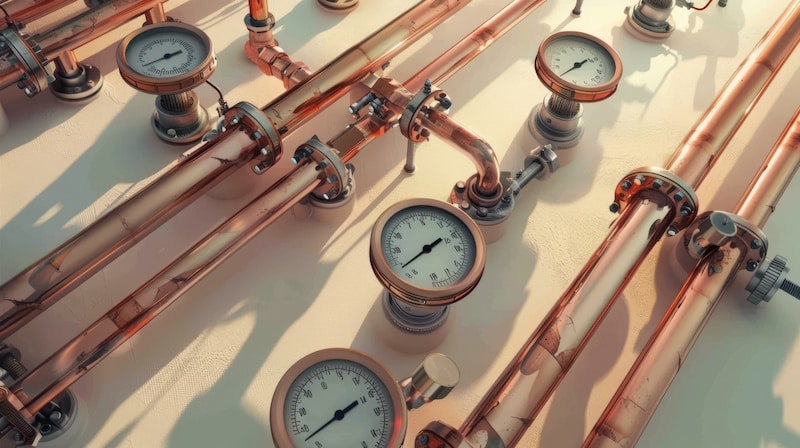
Residential water measurements use PSI (pounds per square inch). A water pressure gage helps you check these levels. Most hardware stores sell these affordable tools for $10-20. The testing process works through simple steps:
- Attach the gage to an outdoor hose faucet
- Make sure all water sources remain off in your home
- Open the faucet completely
- Check the pressure reading on the gage display
- Ideal pressure range for homes
A home’s pressure should stay between 40 and 80 PSI, with 60-70 PSI being the sweet spot that experts recommend. Let’s break down what these pressure readings mean for your home:
- Below 40 PSI: Your pressure is too low and might affect how well your appliances work
- 45-55 PSI: Most homes work best in this range
- 60-70 PSI: This range handles multiple water uses perfectly
- Above 80 PSI: The pressure is too high and could damage your pipes and fixtures
- Water levels comes in two types: static pressure (when water stands still) and dynamic pressure (as water moves through pipes). These measurements tell you if your system needs a pressure regulator or booster. You can save money and avoid plumbing issues by checking your pressure regularly.
The Impacts of Low Water Pressure

Low pressure makes simple household tasks frustratingly slow. Your daily routine suffers immediately if your home’s water pressure falls below the ideal range. Basic activities become time-consuming challenges that affect your entire household.
Difficulty with Daily Tasks
A weak shower spray can ruin the start of your day. The shower that should refresh you turns into a tedious battle with shampoo in your hair. Your morning routine drags on longer than necessary, and simple tasks like filling cooking pots or washing vegetables become a test of patience. The weak water flow makes everyday activities frustrating – from washing hands to cleaning dishes.
Inefficient Appliance Operation
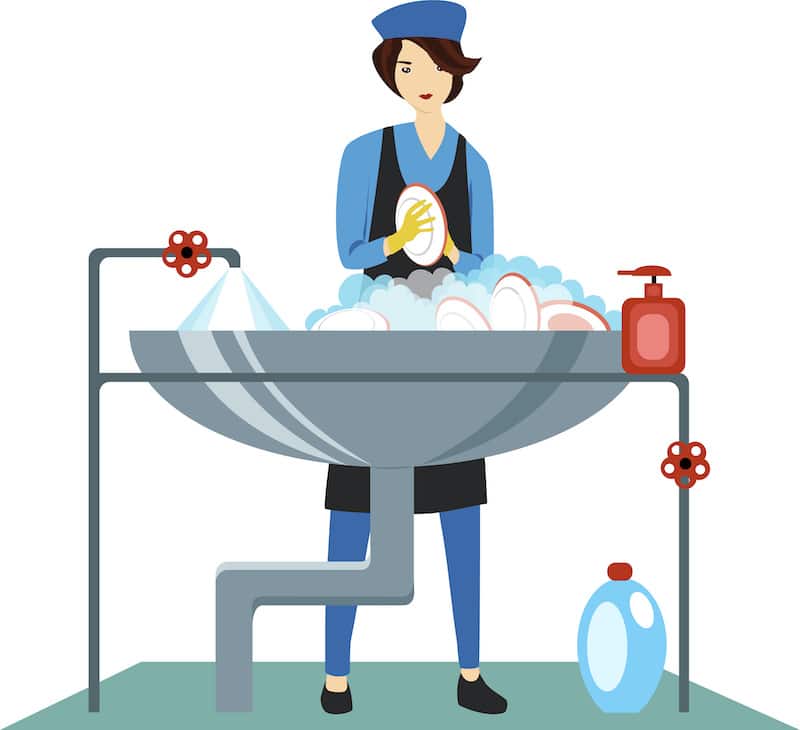
Your household appliances depend on proper pressure to work well. Washing machines will take a lot longer to fill up and this extends cycle times that could affect cleaning results. Your dishwasher will struggle with spray pressure and leave dishes that aren’t properly cleaned. These problems waste your time and affect your utility bills and your appliance’s lifespan.
Potential Causes of Low Water Pressure
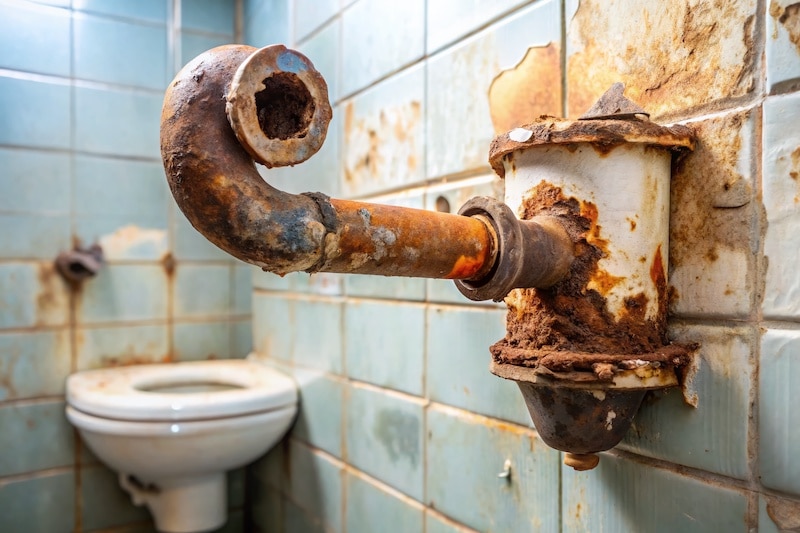
Mineral buildup and corrosion: Pipes collect mineral deposits and corrode as they age, particularly in older homes with galvanized steel pipes
Clogged fixtures: Sediment builds up in aerators of faucets and showerheads
Hidden leaks: Small pipe leaks can substantially reduce your home’s water pressure
Partially closed valves: Water flow gets restricted when main shut-off valves or water meter valves aren’t opened completely
Shared pipeline issues: Your pressure might drop when neighbors use water from a shared water line
Faulty pressure regulators: Water flow becomes irregular when pressure regulators malfunction
A water pressure gage helps detect problems early through regular checks. Water pressure below 40 PSI signals the need to break down the cause or call a professional plumber to evaluate your system.
The Dangers of High Water Pressure
Most homeowners prefer strong water flow, but too much pressure wreaks havoc on plumbing systems. Regular exposure to high pressure takes a toll on pipes and fixtures, and the collateral damage can be severe.
Strain on Plumbing Fixtures and Pipes
High water pressure creates intense stress throughout your home’s plumbing system. Water pressure that exceeds 80 PSI erodes pipes from the inside and wears down vital components. Your appliances take the hardest hit, especially when you have:
- Toilet fill valves and flushing mechanisms
- Washing machine and dishwasher solenoid valves
- Water heater components
- Faucet cartridges and shower valves
- Flexible water supply connectors
- Increased risk of leaks and water damage
The loud banging noise in your pipes (known as water hammer) serves as a warning sign of dangerous pressure levels. High-pressure water creates shock waves that loosen pipe joints and cause pinhole leaks after sudden stops. These seemingly minor leaks can trigger:
- Structural damage to your walls and ceilings, mold growth in hidden spaces, and eventual pipe bursts that cause catastrophic water damage. The repair costs for water damage are nowhere near the simple fix of installing a pressure regulator.
High water pressure hits your wallet hard. Excessive pressure pushes more water through your faucets than you need. This unnecessary flow adds up over time and leads to substantially higher utility bills. Water waste from leaks and damaged fixtures makes you watch your money literally go down the drain.

- Spitting faucets, running toilets, and banging pipes signal that your water pressure needs immediate attention. These warning signs should not be ignored. Taking care of pressure-related issues is nowhere near as expensive as fixing a major plumbing disaster.
Maintaining Optimal Pressure
You can easily control your home’s water pressure. Proper tools and basic knowledge help you maintain ideal pressure levels. This approach protects your plumbing system and ensures comfortable daily use.
Regular Pressure Checks
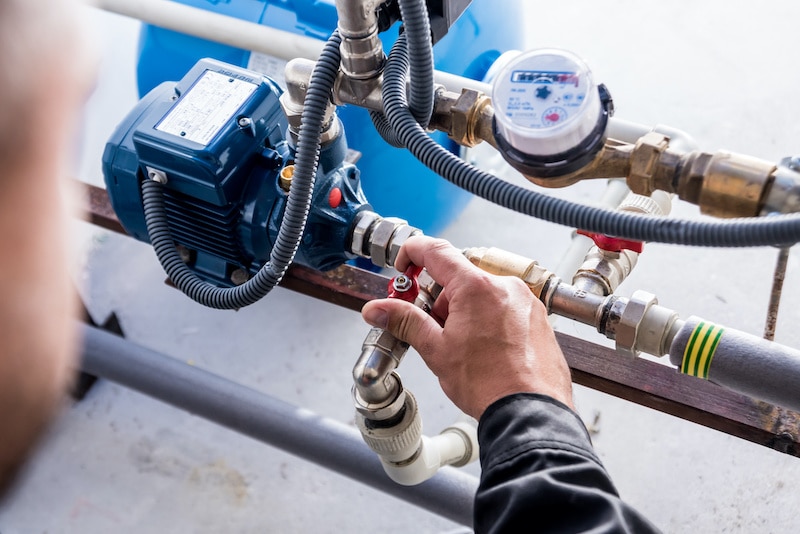
Your home’s pressure needs regular monitoring as part of routine maintenance. A simple test twice a year will help you track it effectively:
- Connect a pressure gage to an outdoor spigot
- Switch off all water fixtures and appliances
- Open the spigot completely
- Check the pressure reading
- Keep a record to monitor changes
- Installing a pressure regulator
A pressure regulator protects your home by acting as a safety valve against excessive pressure. Your home needs a regulator when pressure readings consistently exceed 75 PSI. The installation becomes significant at this point:
- Locate the main water line entry point
- Shut off the main water supply
- Install the regulator according to the flow direction arrow
- Adjust the pressure setting (typically to 50-60 PSI)
- Check all connections for leaks
The Right Time to Call a Professional

Many pressure-related tasks make great DIY projects, but some situations need professional expertise:
- Dramatic fluctuations in pressure readings
- Pipe knocking sounds or vibrations
- Pressure issues across multiple fixtures
- Regulator replacement needs
- Work involving main water line cuts
Smart water leak detection systems act as an early warning system for pressure problems. These devices track your home’s pressure around the clock and notify you about issues before damage occurs. The system can shut off your water supply automatically if it detects dangerous pressure levels.
Proper pressure protects your home’s plumbing infrastructure and helps avoid repairs that can get pricey. Your water system operates safely and efficiently through regular monitoring and correct pressure regulation.
Water is the life-blood of how your home functions. It affects everything from morning showers to how well appliances work. Your plumbing system needs water pressure between 40-80 PSI. This range ensures comfortable daily water usage and protects your pipes.
You can prevent weak water flow problems and excessive pressure risks by monitoring your system regularly. These steps will protect your home’s plumbing and give you peace of mind.
About Viking Plumbing in Boise, Idaho
Viking Plumbing has become Boise’s long standing go to Plumber. With 35 years of experience, we have worked hard to earn the trust of our customers by providing exceptional plumbing, and customer service. Our customers continue to let us know their appreciation of our work with their 5 star testimonials. Whether you are dealing with clogged drains or need a whole home re-piping service, there is not a plumbing job too big for us to handle. If you or anyone you know are suffering from a plumbing issue, or are looking for a professional plumber to trust, we encourage you to give us a call now. (208) 369-9933 Let us earn your trust and business by providing you with the best Plumbing Service in Boise, Idaho!