
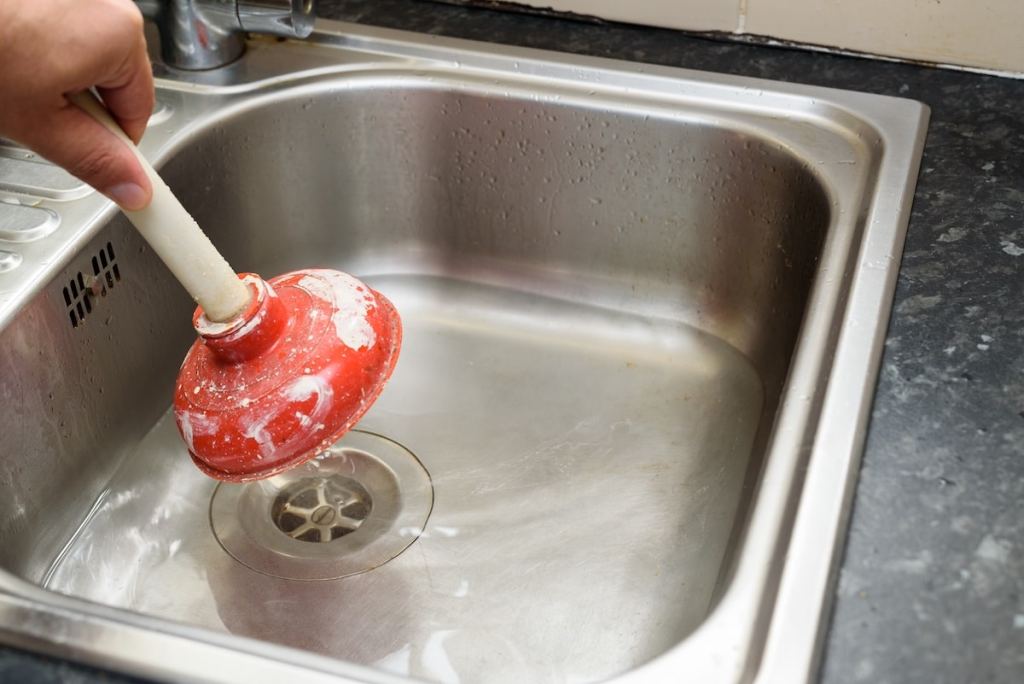

You turn on the bathroom faucet, and the water starts collecting in the basin. Eventually, it drains—but much more slowly than it should. Meanwhile, the other bathroom sink works perfectly. The kitchen drain clears normally. The shower doesn’t back up. The toilets flush without a problem. So why is one sink struggling when the rest of the plumbing seems fine?
At Viking Plumbing Boise, this pattern gives us an important clue. When only one fixture drains slowly, the problem often sits relatively close to that fixture. Hair, soap residue, buildup around the stopper, or a localized clog can restrict the drain without affecting anything else in the house. However, “often” doesn’t mean “always,” which is why understanding the symptoms matters.
One Slow Drain Often Points to a Localized Clog
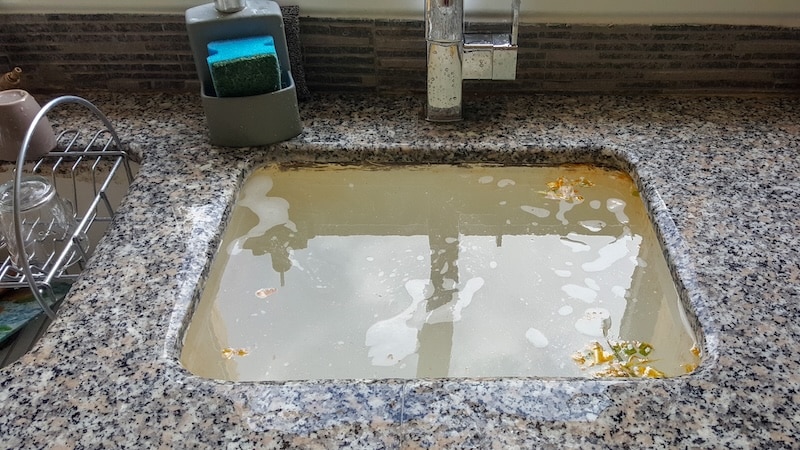
Your home’s drains connect into a larger drainage system, but each fixture begins with its own drain piping. If a blockage develops near one sink, water can slow down at that fixture while everything downstream continues working normally. Think of it as a traffic jam on one side street rather than a closure on the highway. The rest of the system still has room to move.
Bathroom sinks provide plenty of opportunities for this type of clog to develop. Hair, toothpaste, shaving products, soap, cosmetics, and other residue can gradually collect inside the drain. The change may happen so slowly that you barely notice it at first. Water takes an extra second to disappear, then several seconds. Eventually, you’re brushing your teeth while watching a basin full of water take its time draining away.
By then, the restriction may have been developing for months.
The Pop-Up Assembly May Be Part of the Problem
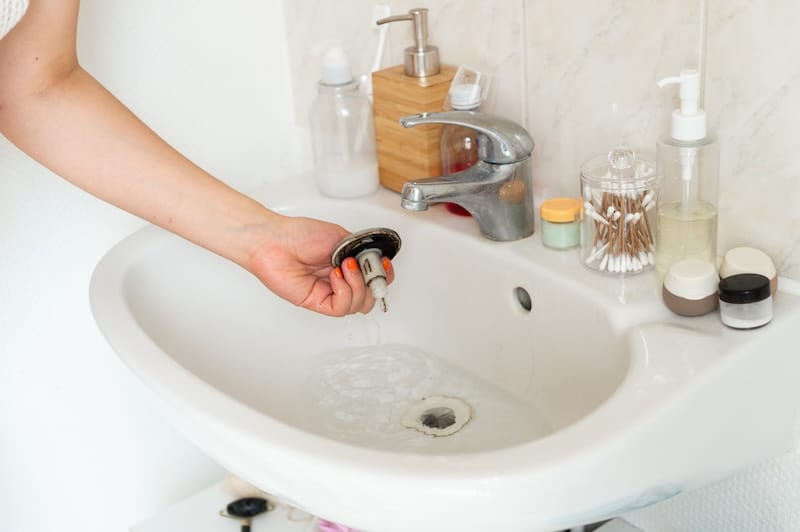
Sometimes the problem isn’t deep inside the plumbing at all. Many bathroom sinks have a pop-up stopper assembly that allows you to open and close the drain. The mechanism creates places where hair and debris can collect. Soap, toothpaste, and other residue can join the mess and gradually restrict the opening.
Soap Doesn’t Always Wash Away Cleanly
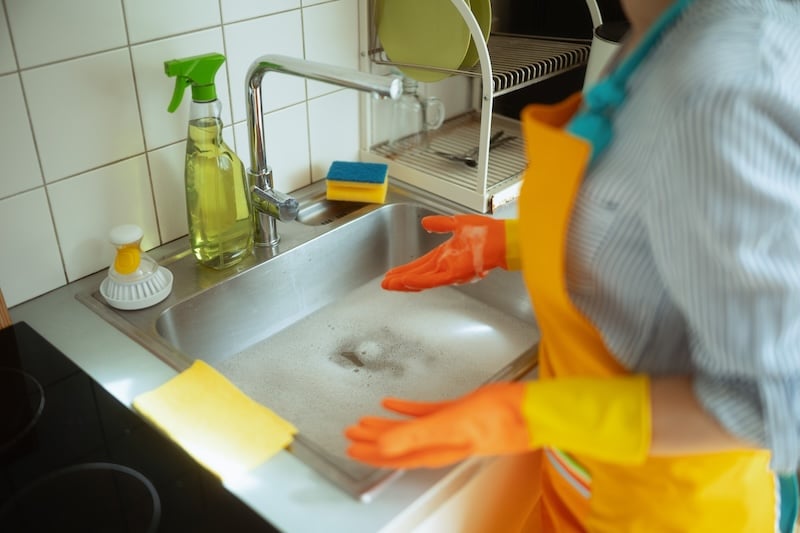
From above, the drain may look relatively clean. Below the stopper, however, you may find a very different situation. A plumber can inspect the pop-up assembly and determine whether buildup around the stopper or linkage contributes to the slow drainage. In some cases, cleaning that area restores normal flow. In others, the restriction sits farther down the drain line and requires additional work.
Either way, the symptoms help us determine where to start.
Soap goes down the drain with water, so it’s easy to assume it simply disappears. Over time, however, soap residue can contribute to build up inside drain piping. Combine it with hair, skin oils, toothpaste, shaving products, and other material, and the inside diameter of the drain can gradually narrow.
The pipe doesn’t need a solid blockage to create noticeable problems. Imagine water moving through a pipe with a clear two-inch opening compared with one where buildup has reduced the available space. Water can still pass through the restricted pipe, but it can’t move as freely.
That’s why a sink may drain slowly without backing up completely. Eventually, continued buildup can make the restriction worse. Addressing the problem while the sink still drains can prevent the inconvenience of waiting until it stops draining altogether.
Hair Isn’t Just a Shower-Drain Problem

We naturally associate hair clogs with showers and bathtubs, but bathroom sinks collect hair, too. Shaving, brushing, grooming, and simply washing your hands or face can send strands into the basin. Hair can catch on the stopper mechanism, rough areas inside the drain, or material already accumulating in the pipe. Once it catches, it can act like a net. Additional hair and debris attach to it, soap residue adds to the buildup, and eventually water has less room to pass. The result is a slow drain that may appear mysterious from the top of the sink.
Removing the obstruction can restore flow, but we also want to make sure the clog hasn’t developed farther into the fixture’s drain piping.
Could Venting Cause One Sink to Drain Slowly?

Your plumbing system doesn’t rely on drainpipes alone. It also needs proper venting. Plumbing vents allow air into the drainage system so wastewater can move through the pipes efficiently. When venting doesn’t function properly, you may notice slow drainage, gurgling, unusual drain behavior, or other symptoms.
However, venting problems can prove more complicated than a straightforward clog. If cleaning an obvious localized restriction doesn’t correct the problem—or if the sink has always drained poorly rather than gradually slowing down—we may need to look beyond hair and soap buildup.
The drain’s configuration, venting, pipe condition, or another plumbing issue could contribute to the symptoms. This is one reason repeatedly treating a slow sink without determining the cause can become frustrating. If the problem isn’t actually sitting in the stopper or trap, cleaning those areas won’t fix what’s happening farther down the system.
When Does One Slow Sink Point to Something Bigger?
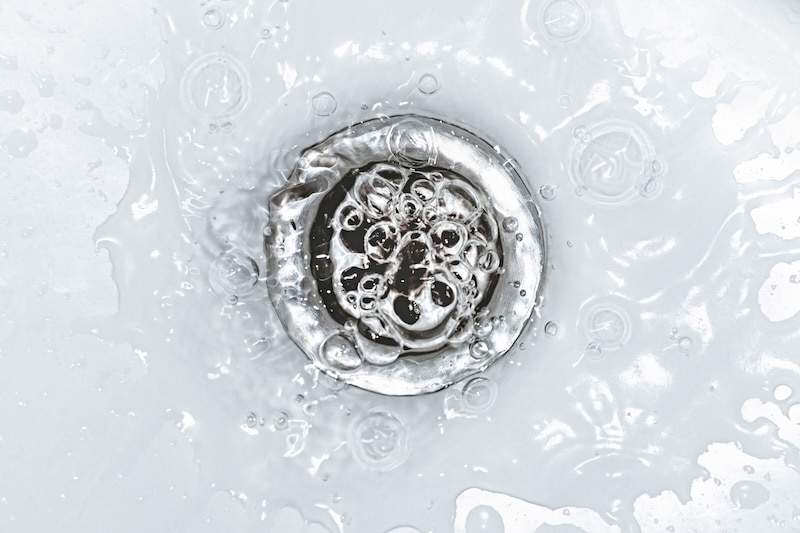
One slow sink usually directs our attention toward that fixture first. The picture changes when other drains begin acting strangely. Pay attention if you notice:
- Several fixtures draining slowly at the same time
- Water backing up into another fixture
- Toilets bubbling or gurgling when you use a sink
- Drain problems occurring throughout one area of the house
- Sewage odors accompanying drainage problems
- A sink repeatedly slowing down soon after the drain has been cleared
Multiple affected fixtures can suggest that the restriction sits farther downstream, where several drain lines connect. At Viking Plumbing Boise, we can use camera inspection when appropriate to investigate drain and sewer piping that we can’t see directly. That allows us to look for blockages, damaged piping, root intrusion, or other problems instead of repeatedly guessing at the cause.
Be Careful With the Quickest DIY Solution
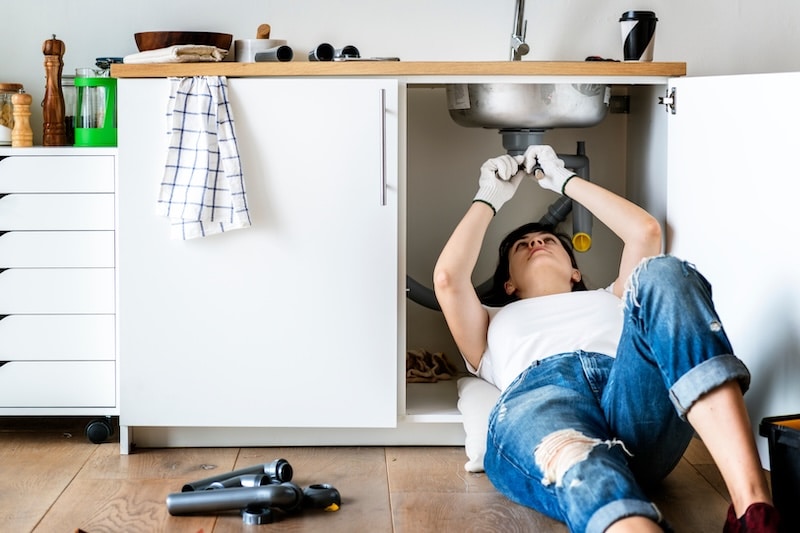
A bottle of chemical drain cleaner can look like an easy answer when the sink still drains but moves slowly. However, pouring chemicals down the drain doesn’t tell you what’s causing the restriction. Depending on the plumbing and the nature of the blockage, it may not solve the underlying problem either. Mechanical removal often allows the actual obstruction to come out rather than simply attempting to dissolve part of it.
More importantly, a recurring slow drain deserves investigation. If you’ve cleaned the stopper, removed obvious debris, and the same sink keeps slowing down, something else may contribute to the problem. That’s when calling a plumber can save you from repeating the same temporary fix.
One Slow Sink Gives Us a Useful Starting Point

Plumbing problems leave clues, and the number of fixtures affected provides one of the most useful ones. When every other drain works normally and only one sink struggles, we usually begin close to that fixture. The pop-up assembly, hair, soap buildup, the trap, or a localized section of drainpipe may contain the answer.
If those areas don’t explain the problem, we keep looking.
At Viking Plumbing Boise, our goal isn’t simply to make water disappear from the basin today. We want to determine why that sink slowed down in the first place, correct the problem, and identify when the symptoms point toward something larger.
One slow sink doesn’t necessarily mean your entire plumbing system has a serious problem. But it is telling you something—and it’s worth listening.
About Viking Plumbing In Boise, Idaho
Viking Plumbing is your trusted, full-service plumbing company proudly serving Boise, Meridian, and the entire Treasure Valley. Our experienced plumbers fix toilets, repair leaks, clear drains, replace water heaters, and solve complex plumbing problems with skill and integrity. When you need reliable plumbing in Idaho, our team stands ready to help. Reach out today for fast service, transparent communication, and long-lasting solutions.