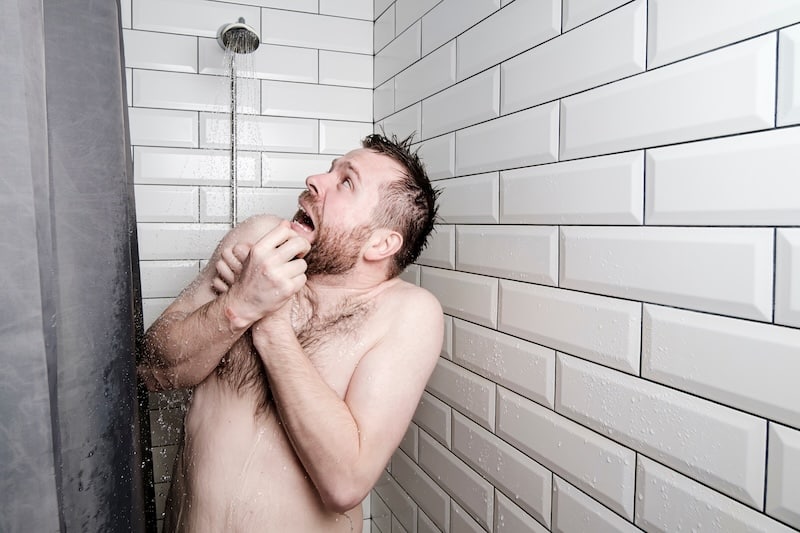
You’re halfway through a comfortable shower when someone flushes a toilet, starts the washing machine, or turns on a faucet. Suddenly, the water temperature changes. Maybe it gets cold. Even worse, perhaps it becomes unexpectedly hot. If this has happened for years, you may have accepted it as one of your home’s quirks. However, if the problem suddenly begins—or becomes noticeably worse—the way your shower reacts can provide useful clues about what’s happening elsewhere in your plumbing system. At Viking Plumbing Boise, we don’t look at temperature changes as an isolated shower problem. Instead, we consider what other fixture was being used, whether it needed hot or cold water, and exactly how the shower responded.
Did the Shower Get Hotter or Colder?
This is one of the first distinctions worth making. Suppose someone flushes a toilet while you’re showering and the water suddenly feels hotter. A toilet normally refills using cold water. In some plumbing systems, that additional demand can reduce the amount of cold water reaching the shower, temporarily shifting the mixture toward hotter water. Now imagine someone opens a hot-water faucet and your shower becomes cooler. In that situation, multiple fixtures may be competing for the available hot water. Both situations feel like the same basic problem—an unpredictable shower—but the plumbing circumstances can be quite different.
What Else Was Running?
If your shower temperature fluctuates, pay attention to what happened immediately before the change. That information can help us narrow down the possibilities.
For example:
A toilet flushed: Changes in cold-water flow or pressure may affect the shower.
Someone opened a hot-water faucet: Hot-water flow may have shifted between fixtures.
An appliance started: A dishwasher or washing machine can create additional demand.
Several fixtures were already running: Your plumbing system or water heater may be struggling with simultaneous use.
Nothing else was running: The shower valve, water heater, or another component may need attention.
Those observations give us much more useful information than simply knowing the shower “sometimes gets cold.”
The Shower Valve May Be Part of the Story
Modern shower systems often incorporate valves designed to manage changes in water pressure and temperature. Pressure-balancing valves, for example, respond when the balance between the hot and cold supplies changes. However, components can wear, and mineral deposits can interfere with proper operation. Older showers may also have plumbing that doesn’t respond to changing demand the same way newer systems do.
Therefore, if your shower has recently started behaving differently, the fixture itself deserves consideration. Simply replacing the showerhead won’t necessarily solve a problem originating within the valve or elsewhere in the plumbing system.
Has It Always Happened—or Is This New?
This may be one of the most useful questions of all. If your shower has reacted to a flushing toilet for as long as you can remember, the problem may relate to the design, age, or configuration of the plumbing. Boise has homes representing many decades of construction, and plumbing materials and practices have changed considerably over time.
A new problem, however, deserves a closer look. Potential contributors can include:
A shower valve that is no longer working properly
Mineral accumulation restricting flow
Changes in household water pressure
A partially restricted valve
Aging plumbing
Changes in water-heater performance
Instead of assuming the house has simply gotten older, we can investigate what changed.
Sometimes the Water Heater Really Is the Problem
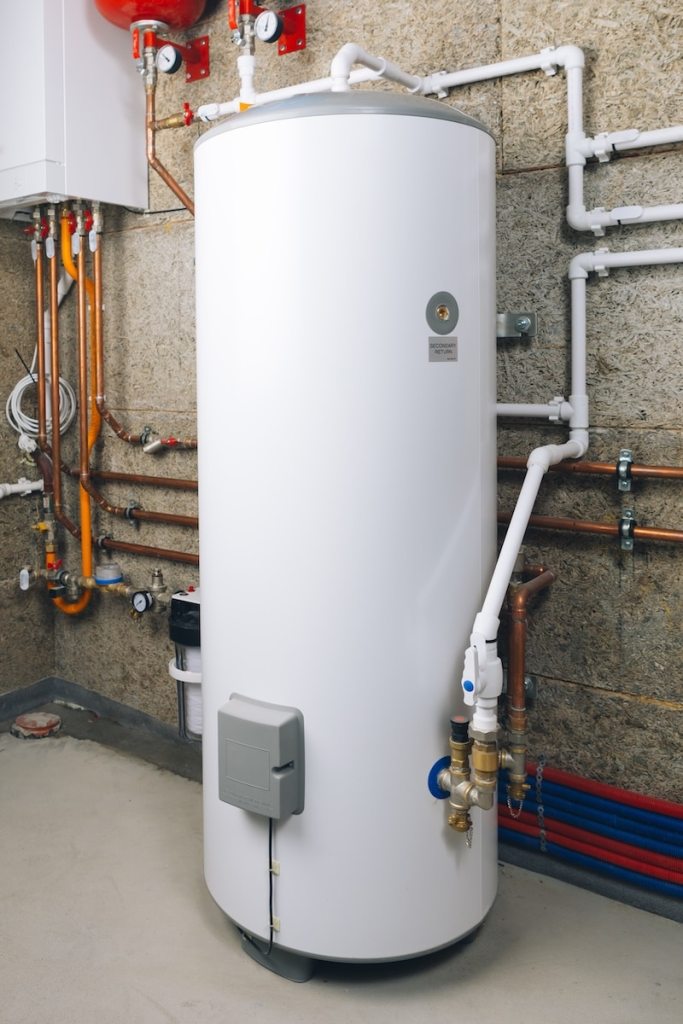
Not every fluctuating shower points to the pipes or shower valve. Sometimes the household is simply asking the water heater to provide more hot water than it can deliver. A tank-style water heater stores a limited amount of heated water. If several people shower close together while appliances are also using hot water, the available supply can decline faster than the unit can recover.
However, capacity isn’t the only consideration. Sediment accumulation, aging components, or other maintenance issues can also affect hot-water performance. That’s why we look at the entire pattern rather than immediately blaming one fixture.
Older Boise Homes Can Add Another Layer
A home’s age can provide useful context, although an older home does not automatically mean outdated or inadequate plumbing. Depending on when a Boise home was built and whether its plumbing has been updated, it may contain older pipes, valves, or plumbing configurations. Meanwhile, remodeled homes can contain a mixture of old and new components, which makes the construction date alone an imperfect guide.
When we’re troubleshooting temperature or pressure changes, understanding what is actually installed in the home matters more than making assumptions based on its age.
Your Shower Can Give Us Clues
A changing shower temperature isn’t necessarily a plumbing emergency. However, you also don’t have to accept dramatic temperature swings as something showers simply do.
Before calling us, notice the pattern:
Does the water become hotter or colder?
What other fixture was just turned on?
Does it happen every time?
Has the shower always behaved this way?
Does it occur only when several fixtures run?
Have you noticed other changes in water pressure or hot-water availability?
These details can help us investigate the problem more efficiently.
At Viking Plumbing Boise, we can evaluate the shower valve, water pressure, water heater, piping, and other potential contributors to determine why the temperature changes. Sometimes the solution involves one component. Other times, the shower is revealing a larger issue within the home’s plumbing system.
Either way, you shouldn’t have to announce, “Nobody use the water—I’m taking a shower!” every time you head into the bathroom.
About Viking Plumbing In Boise, Idaho
Viking Plumbing is your trusted, full-service plumbing company proudly serving Boise, Meridian, and the entire Treasure Valley. Our experienced plumbers fix toilets, repair leaks, clear drains, replace water heaters, and solve complex plumbing problems with skill and integrity. When you need reliable plumbing in Idaho, our team stands ready to help. Reach out today for fast service, transparent communication, and long-lasting solutions.