

What’s the Difference Between a Plumbing Inspection and a Plumbing Repair?
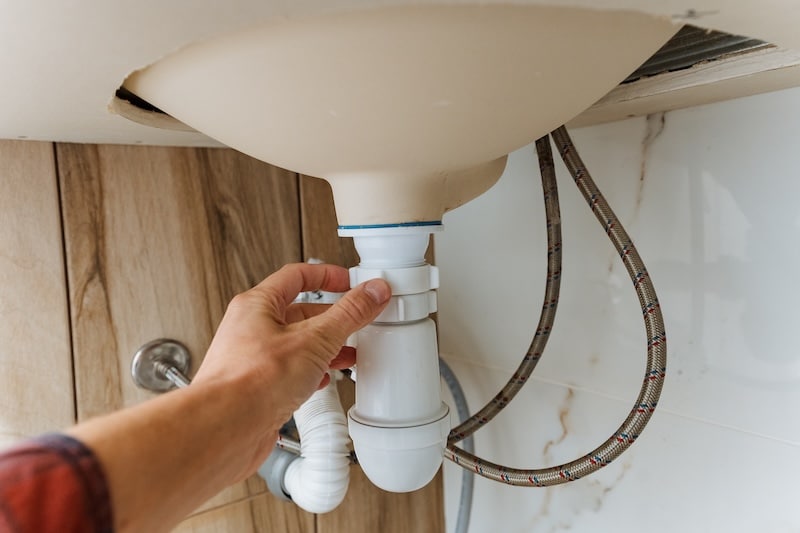
A strange sound in the wall, a drain that seems a little slower than usual, or a water bill that suddenly creeps upward can leave you wondering whether you need a plumber. However, calling one doesn’t necessarily mean you need something repaired. Sometimes the smartest plumbing call happens before anything breaks.
At Viking Plumbing Boise, we perform plumbing inspections to evaluate systems, investigate potential problems, and help homeowners understand what is happening behind the walls, beneath the floors, and inside their pipes. A plumbing repair, on the other hand, addresses a problem we have already identified. Knowing the difference can help you take a more proactive approach to your home’s plumbing.
What Is a Plumbing Inspection?
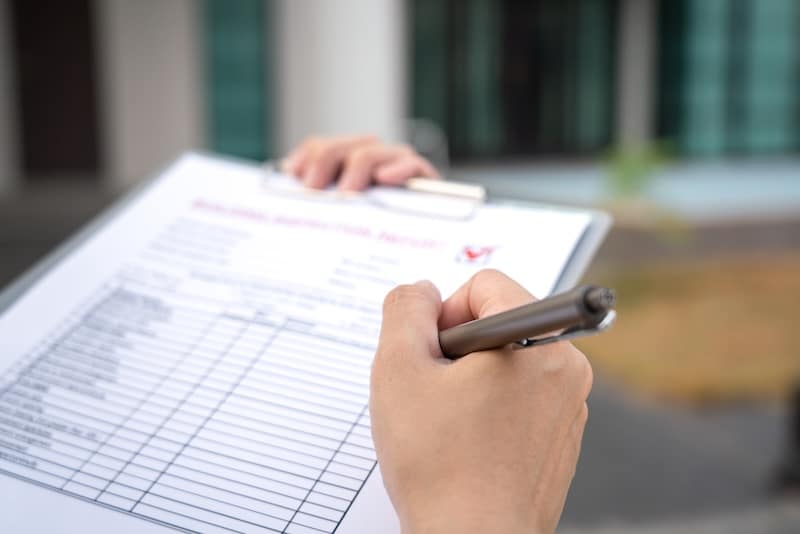
A plumbing inspection focuses on the condition and performance of your plumbing system. Instead of arriving with the assumption that something needs replacement or repair, we investigate what is happening and look for signs of trouble.
Depending on the reason for the inspection and the areas we can access, we may evaluate plumbing fixtures, visible pipes and connections, drains, water pressure, shutoff valves, water heaters, supply lines, and other components.
We also pay attention to the clues homeowners sometimes overlook. Corrosion, moisture, unusual pressure, slow drainage, recurring clogs, staining, or evidence of previous repairs can tell us quite a bit about the health of a plumbing system.
An inspection gives us information. That information helps determine what, if anything, needs to happen next.
An Inspection Doesn’t Automatically Lead to a Repair

Homeowners sometimes hesitate to call a plumber because they worry that an inspection will turn into a list of expensive repairs. However, an inspection and a repair serve two different purposes. If everything looks and functions as it should, you may not need to do anything. When we do identify a concern, we can explain what we found and whether it requires immediate attention or simply deserves monitoring. Some plumbing issues need prompt repairs because they can cause water damage or worsen quickly. Others may give homeowners time to plan.
This distinction helps you make informed decisions instead of waiting for a minor concern to become an emergency.
How Camera Inspections Help Us See Inside Your Pipes

Some of the most important parts of a plumbing system aren’t visible from inside your home. Sewer and drain lines, for example, can develop problems underground or inside areas we cannot inspect with the naked eye. That’s where camera inspection technology becomes especially useful.
We can insert a specialized plumbing camera into an appropriate line to examine its interior. Instead of guessing about what might be causing recurring drainage problems, we can look for evidence of issues such as:
- Cracks or damaged sections of pipe
- Tree root intrusion
- Buildup or obstructions
- Offset or separated pipe connections
- Deterioration within the line
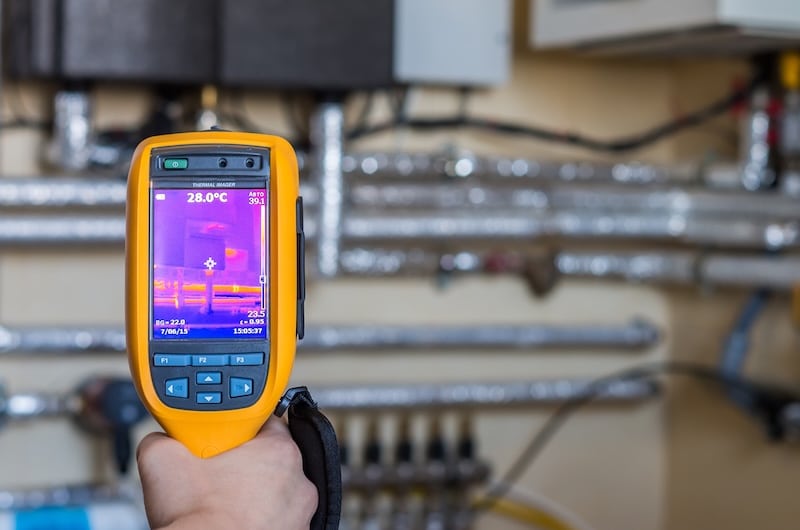
Camera inspections can provide valuable information before we recommend a repair. They can also help us determine where a problem sits, which may prevent unnecessary digging or exploratory work.
Leak Detection Can Find Problems You Can’t See

Not every plumbing leak announces itself with water dripping from the ceiling. A small leak may develop inside a wall, beneath a floor, in a crawl space, or elsewhere outside your everyday view. You may notice indirect warning signs instead. A higher-than-normal water bill, the sound of running water when fixtures are off, dampness, discoloration, musty odors, or changes in water pressure can all justify a closer look.
Leak detection allows us to investigate suspicious conditions and narrow down the possible source. Finding the location matters because we don’t want to open walls, floors, or other finished surfaces unnecessarily. Once we understand where the leak originates, we can determine the appropriate repair.
So, When Does an Inspection Become a Plumbing Repair?
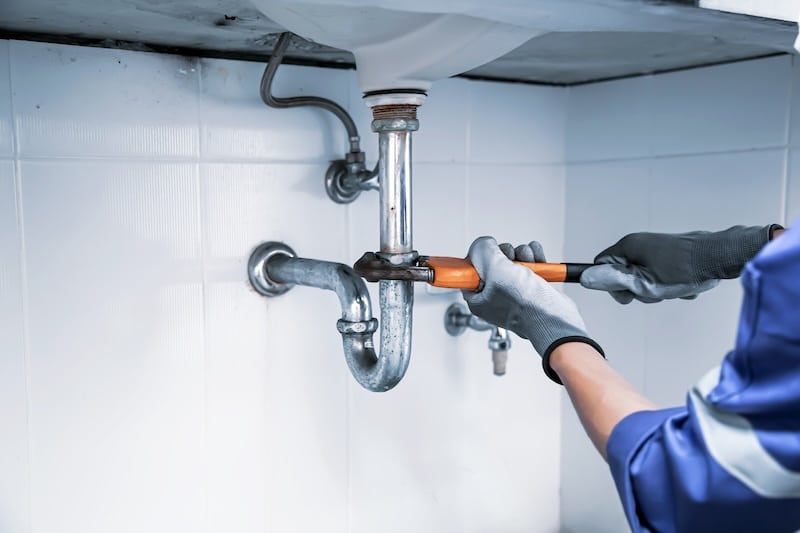
A repair begins when we address a confirmed plumbing problem. For example, an inspection might reveal a leaking connection. The repair involves fixing that connection. A camera inspection might show tree roots entering a sewer line. The repair addresses the affected line. An evaluation of inconsistent water pressure could uncover a faulty component that requires replacement.
This diagnose-first approach matters. Replacing parts based solely on symptoms can waste money and may fail to correct the actual problem. At Viking Plumbing Boise, we want to understand the cause before recommending the solution.
Plumbing Inspections Can Play a Preventive Role

You don’t have to wait for an obvious problem to have your plumbing checked. Preventive inspections can make particular sense for older homes, properties with mature trees, homes with a history of plumbing trouble, or homeowners who simply want a better idea of their system’s condition. Preventive maintenance gives us an opportunity to spot developing issues before they turn into major disruptions.
Consider a slow drain that repeatedly returns after you clear it. Treating the symptom over and over may provide temporary relief, but a camera inspection could reveal a deeper issue in the line. Similarly, a small amount of corrosion around a connection may warrant attention before that connection begins actively leaking.
Catching a problem early doesn’t guarantee that you’ll avoid every plumbing emergency. However, it can give you more control over when and how you address developing problems.
What Should You Ask During a Plumbing Inspection?
We encourage homeowners to ask questions. You should understand what we find and why it matters. If we identify a concern, ask whether it needs immediate repair, whether it can safely wait, and what could happen if the condition worsens. You can also ask about the expected life of aging plumbing components and whether preventive maintenance could reduce the likelihood of future trouble.
Good plumbing service shouldn’t leave you confused about what comes next. We want you to understand the condition of your system so you can decide with confidence.
Inspection or Repair? Start by Finding the Problem
If you already have water pouring from a pipe, you probably don’t need anyone to tell you that something needs repair. However, plumbing problems aren’t always that obvious. Sometimes you simply know that something doesn’t seem right. That’s when an inspection can provide answers. Through visual evaluation, camera inspections, leak detection, and other diagnostic methods, we can investigate the problem before jumping straight to a repair.
After more than 35 years in the plumbing business, we’ve learned that knowing why something is happening matters just as much as knowing how to fix it. When we diagnose the problem first, we can recommend the repair that actually addresses the cause.
About Viking Plumbing In Boise, Idaho
Viking Plumbing is your trusted, full-service plumbing company proudly serving Boise, Meridian, and the entire Treasure Valley. Our experienced plumbers fix toilets, repair leaks, clear drains, replace water heaters, and solve complex plumbing problems with skill and integrity. When you need reliable plumbing in Idaho, our team stands ready to help. Reach out today for fast service, transparent communication, and long-lasting solutions.