
What Homeowners Should Know About Plumbing Problems

Boise experienced major residential growth in the 1990s. Neighborhoods expanded rapidly across the Treasure Valley, especially in West Boise, Meridian’s early developments, and areas that once sat on the edge of town. Today, many of those homes have reached the 25–35 year mark — and that’s when plumbing systems often begin showing predictable patterns of wear.
At Viking Plumbing Boise, we frequently work in these subdivisions. We see the same issues surface again and again. If you live in a Boise home built in the 1990s, here’s what you should watch for.
Aging Pressure Reducing Valves (PRVs)

Many 1990s Boise homes include pressure reducing valves installed when city supply pressures fluctuated or increased over time. These valves typically last 20–30 years.
When they begin to fail, homeowners may notice:
- Sudden pressure spikes
- Low water pressure in certain fixtures
- Banging pipes
- Leaking fixtures
- Water heater strain
A failing PRV can quietly damage plumbing systems. Replacing it proactively protects fixtures, appliances, and water heaters from unnecessary wear.
Hard Water Wear on Fixtures

Boise and the surrounding Treasure Valley deal with mineral-rich water. Over time, that mineral buildup affects:
- Faucet cartridges
- Shower valves
- Toilet fill valves
- Water heater elements
- Supply lines
In 1990s homes that never added a water softening system, scale accumulation often narrows pipe diameter and reduces performance. Homeowners may assume low pressure means city supply issues. In many cases, mineral buildup inside pipes and valves causes the restriction. A skilled Boise plumber can evaluate whether cleaning, part replacement, or larger upgrades make the most sense.
Original Water Heaters Near End of Life
If your Boise home still runs on its original water heater — or even its second — age matters. Most traditional tank water heaters last 8–12 years. Homes built in the 1990s have often gone through multiple replacements, but many now approach another replacement window.
Warning signs include:
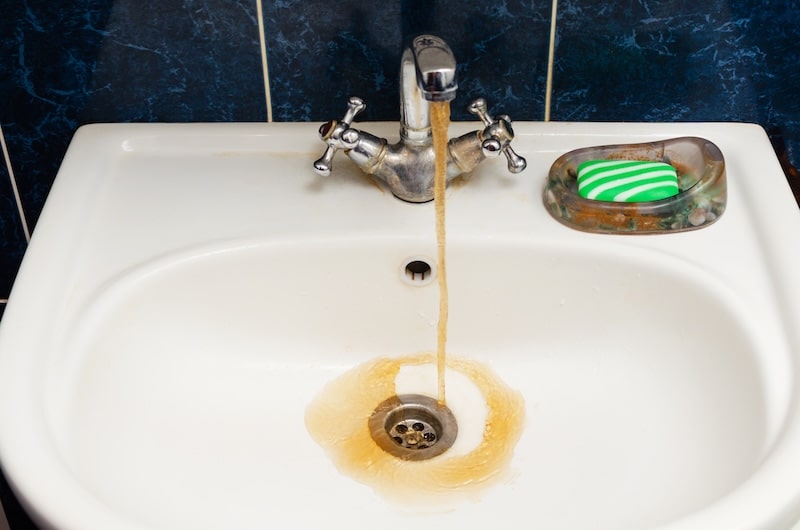
- Rust-colored hot water
- Inconsistent temperature
- Rumbling noises
- Small leaks near the base
Replacing an aging water heater before it fails prevents water damage and emergency plumbing calls.
Polybutylene and Early PEX Concerns
Some Boise subdivisions from the early to mid-1990s may contain polybutylene piping or early-generation PEX.Polybutylene, in particular, gained popularity before widespread failure concerns surfaced. Over time, exposure to treated water can weaken fittings and increase leak risk.
If you’re unsure what piping material runs through your home, a professional inspection provides clarity. Identifying vulnerable materials early allows homeowners to plan upgrades rather than react to sudden leaks.
Sewer Line Settling and Root Intrusion
Trees planted in the 1990s have matured. As roots expand, they often seek moisture. Sewer lines become attractive targets, especially older clay or early PVC systems.

We frequently see:
- Recurring drain backups
- Slow main line drainage
- Gurgling toilets
- Wet spots in yards
In many Boise neighborhoods, minor settling over decades also shifts underground sewer lines. Even slight slope changes can create recurring blockages. A camera inspection identifies the exact issue — whether roots, misalignment, or pipe deterioration — and allows targeted repair rather than guesswork.
Outdoor Hose Bib and Irrigation Line Leaks: Plumbing Problems
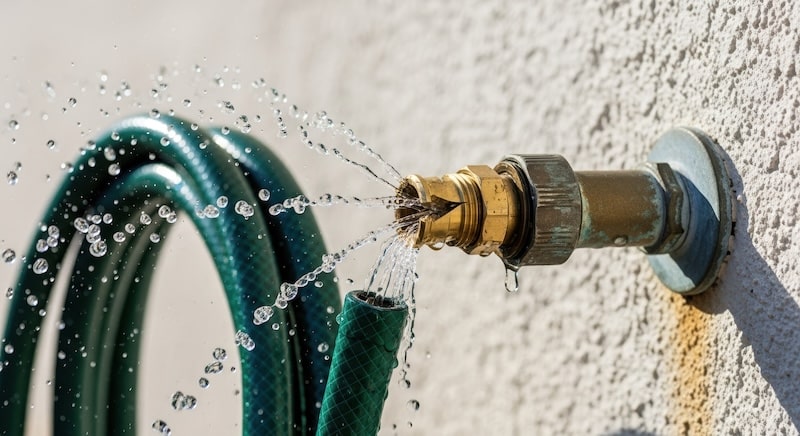
After 30 years of Idaho freeze-thaw cycles, exterior plumbing components often weaken.
Common issues include:
- Dripping hose bibs
- Cracked frost-free spigots
- Underground irrigation supply leaks
- Backflow device wear
Many homeowners don’t notice small outdoor leaks until water bills increase.
A seasonal plumbing inspection helps catch these early before they cause foundation moisture or crawlspace issues.
Toilet and Drain Performance Decline
Homes built in the 1990s typically include first-generation low-flow toilets. Over time, internal parts degrade, seals weaken, and performance declines. If you find yourself calling a plumber to fix toilets repeatedly, upgrading to modern high-efficiency models may solve the issue entirely.
Drain systems also accumulate decades of buildup. Hydro jetting often restores full flow capacity without major excavation.

Why Age-Based Inspections Make Sense
Homes from the same construction era often share the same plumbing components. That means problems surface in predictable cycles. If your Boise home was built in the 1990s and you haven’t had a comprehensive plumbing evaluation recently, now makes a smart time to schedule one.
At Viking Plumbing Boise, we approach inspections methodically. We look at pressure levels, fixture performance, water heater condition, supply lines, drain systems, and exterior plumbing components.
We don’t recommend unnecessary replacements. Furthermore, we identify what needs attention now, what may need attention later, and what continues to perform well.
Protecting Your Boise Home for the Next 30 Years
Homes built in the 1990s remain solid investments. With proper plumbing maintenance, they can continue performing efficiently for decades. The key lies in proactive upgrades instead of reactive emergencies.
If you live in a Boise or Treasure Valley subdivision built during that growth period, let an experienced Idaho plumber evaluate your system before small concerns turn into large repairs.
Call Viking Plumbing Boise today to schedule a professional inspection and keep your plumbing system running reliably for years to come.
About Viking Plumbing In Boise, Idaho
Viking Plumbing is your trusted, full-service plumbing company proudly serving Boise, Meridian, and the entire Treasure Valley. Our experienced plumbers fix toilets, repair leaks, clear drains, replace water heaters, and solve complex plumbing problems with skill and integrity. When you need reliable plumbing in Idaho, our team stands ready to help. Reach out today for fast service, transparent communication, and long-lasting solutions.