

Which Pipes Work in Boise’s Climate (And What Doesn’t)

When most homeowners think about pipe insulation in Boise, they picture one thing: frozen pipes. But pipe insulation serves a much broader purpose than freeze protection alone. In the Treasure Valley, temperature swings, crawlspace moisture, and attic heat fluctuations create unique plumbing challenges that basic foam sleeves don’t always solve.
At Viking Plumbing in Boise, Idaho, we regularly see insulation installed incorrectly, inadequately, or in the wrong locations altogether. The result? Reduced efficiency, premature pipe wear, and in some cases, damage that proper planning could have prevented. Let’s clear up some common pipe insulation myths — and explain what actually works in Boise’s climate.
Myth #1: “Any Foam Sleeve Is Good Enough”
Foam pipe sleeves remain the most common insulation product homeowners use. They are inexpensive, easy to install, and widely available.

However, not all foam insulation performs equally.
Closed-cell polyethylene foam typically offers R-values around R-2 to R-3. While that may provide mild temperature buffering, it does not always deliver adequate protection in exposed crawlspaces or unconditioned attics during extended cold snaps.
Higher-performance insulation materials — such as elastomeric rubber or fiberglass with vapor barriers — may provide better long-term results in certain environments.
Choosing the right insulation depends on:
• Pipe location
• Exposure to airflow
• Humidity levels
• Duration of temperature swings
In many cases, upgrading material type provides more meaningful protection than simply adding another thin foam layer.
Myth #2: “R-Value Doesn’t Matter for Pipes”
R-value measures thermal resistance — how effectively insulation slows heat transfer. For walls and attics, homeowners understand R-value importance. For pipes, that awareness often disappears. In Boise’s winter conditions, where overnight temperatures can drop quickly, insulation with insufficient R-value may slow freezing but not prevent it during prolonged exposure.
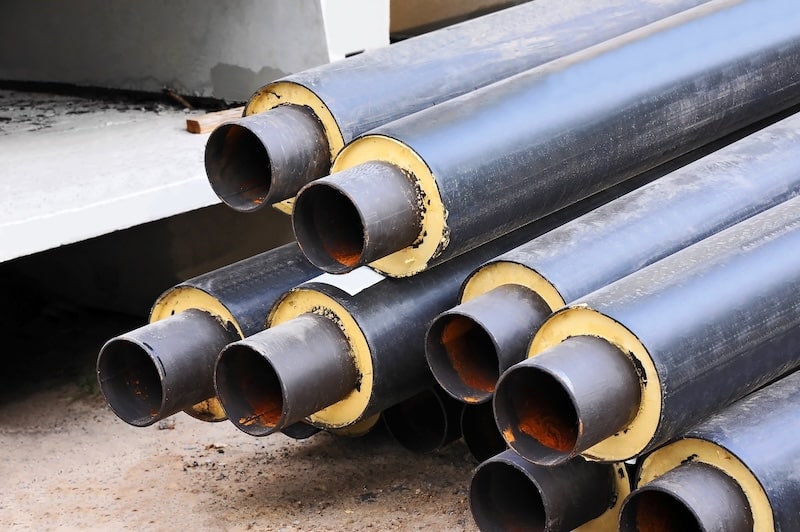
Higher R-value pipe insulation better maintains internal water temperature stability. That matters not only for freeze prevention but also for energy efficiency in hot water lines. When hot water pipes lose heat rapidly in uninsulated areas, your water heater works harder. That increases energy consumption and operating costs.
Proper R-value selection protects both plumbing and performance.
Myth #3: “Attic and Crawlspace Conditions Are the Same”
Attics and crawlspaces behave very differently in Idaho homes.
Attics often experience:
• Extreme temperature swings
• High summer heat
• Rapid winter cooling
• Air infiltration
Crawlspaces typically present:
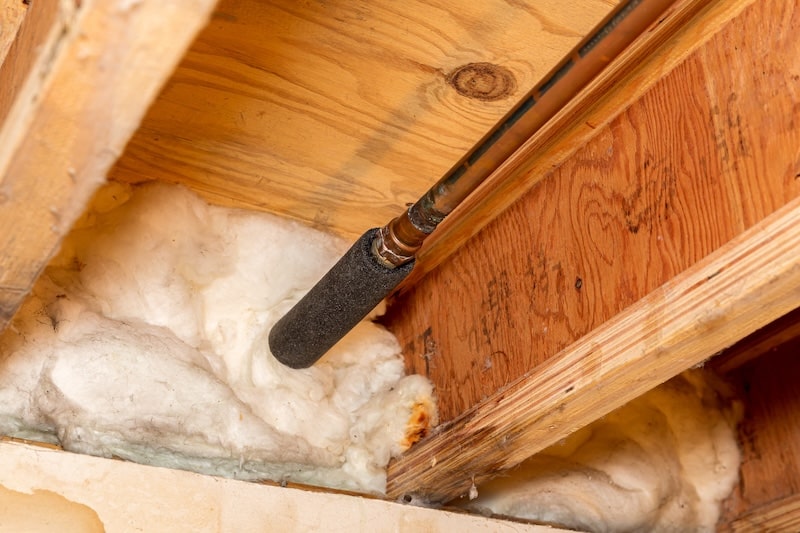
• Ground moisture exposure
• Limited airflow
• Moderate but sustained cold
• Vapor barrier issues
Using the same insulation approach in both locations often leads to underperformance. In attics, pipes may require thicker insulation combined with proper sealing around penetrations. In crawlspaces, moisture resistance becomes equally important. Insulation that absorbs moisture loses effectiveness and may deteriorate over time.
At Viking Plumbing, we evaluate environment before recommending solutions.
Myth #4: “More Insulation Always Solves the Problem”
Homeowners sometimes wrap pipes repeatedly with insulation, believing thickness alone guarantees protection.
However, air gaps, compression, and improper installation frequently reduce performance.
For insulation to work effectively, it must:
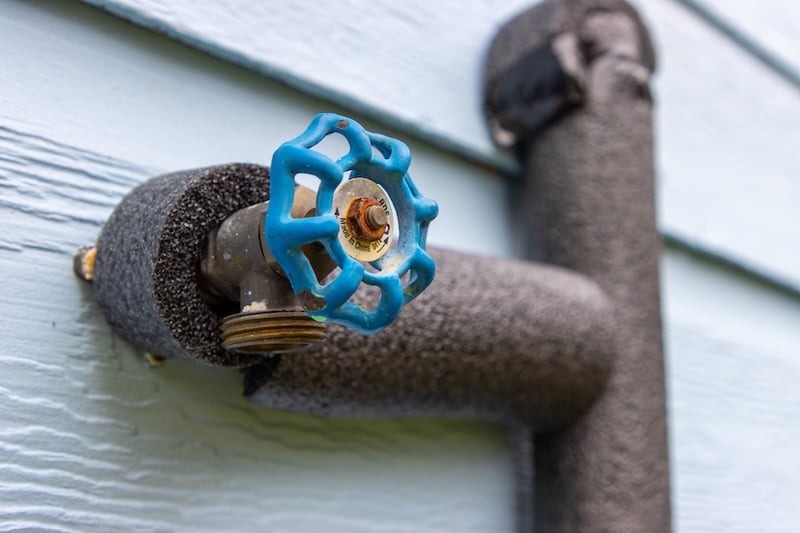
• Fit snugly without compression
• Fully seal seams
• Avoid exposed joints
• Maintain vapor barrier integrity
Loose wrapping can create cold pockets where freezing risk persists.
Additionally, insulation cannot compensate for poorly sealed crawlspaces or attic drafts. Addressing airflow often proves just as important as insulating the pipe itself.
Myth #5: “Pipe Insulation Only Matters in Winter”
In Boise’s climate, summer conditions also impact plumbing.
Attics can exceed 120 degrees during peak heat. Without insulation, cold-water lines may warm significantly before reaching fixtures. That wastes water and reduces comfort.
Proper insulation helps stabilize both hot and cold water temperatures year-round.

It also reduces condensation on cold pipes during humid conditions. Excess condensation may drip onto framing, insulation, or subflooring — potentially contributing to moisture-related issues over time.
Pipe insulation supports temperature regulation in every season.
Material Options That Actually Work
Several insulation materials perform well in Idaho’s conditions when properly installed:
- Elastomeric Rubber Insulation
Offers flexibility, moisture resistance, and moderate R-value. Performs well in crawlspaces and around bends. - Fiberglass Pipe Insulation with Vapor Barrier
Provides higher R-value potential but requires proper sealing to prevent moisture intrusion. - Foil-Faced Insulation
Can reflect radiant heat in attic applications when correctly installed.
Selecting material depends on exposure level, pipe type, and surrounding conditions. A professional evaluation helps determine which option best fits your home’s layout.
Common Homeowner Mistakes
We frequently see these pipe insulation errors in Boise homes:

• Leaving joints unsealed
• Ignoring exterior wall cavities
• Overlooking short, exposed sections
• Installing insulation over existing leaks
• Failing to secure insulation properly
Even small gaps may reduce overall effectiveness.
If your crawlspace feels drafty or your attic lacks proper air sealing, pipe insulation alone may not deliver the performance you expect.
When to Schedule a Professional Evaluation
If you notice:
• Uneven hot water delivery
• Condensation on pipes
• High energy bills
• Insulation deterioration
• Drafty crawlspaces
It may be time to evaluate your pipe insulation strategy.

Viking Plumbing in Boise, Idaho provides professional assessments to identify weak points and recommend improvements tailored to Treasure Valley conditions. Proper pipe insulation protects plumbing systems, supports energy efficiency, and improves overall home performance — not just during winter, but throughout the year.
If you want to improve your home’s plumbing protection, contact Viking Plumbing today and schedule an evaluation with a trusted Boise plumber who understands Idaho’s climate challenges.
About Viking Plumbing In Boise, Idaho
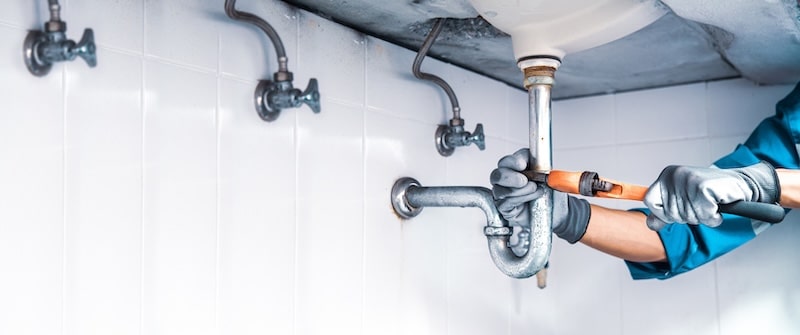
Viking Plumbing is your trusted, full-service plumbing company proudly serving Boise, Meridian, and the entire Treasure Valley. Our experienced plumbers fix toilets, repair leaks, clear drains, replace water heaters, and solve complex plumbing problems with skill and integrity. When you need reliable plumbing in Idaho, our team stands ready to help. Reach out today for fast service, transparent communication, and long-lasting solutions.