
Why Plumbing Emergencies Rarely Happen All at Once

Plumbing emergencies rarely happen completely out of the blue. While a burst pipe or overflowing drain may feel sudden, the truth is that most plumbing problems build over time. Long before a major failure occurs, your home’s plumbing system often provides small warning signs that something isn’t right. Because those symptoms usually seem minor at first, many homeowners dismiss them—only to discover later that they were the first signs of a much larger problem.
A faucet that drips once in a while, a bathroom sink that drains a little slower than it used to, or a toilet that occasionally needs a second flush may seem like minor inconveniences rather than serious plumbing problems. However, plumbing systems rarely move from “perfectly fine” to “complete failure” overnight. More often, they deteriorate gradually until a small issue finally reaches a tipping point. Recognizing those early signs can help homeowners avoid unexpected repairs, water damage, and the inconvenience of a plumbing emergency.
Small Problems Often Have Bigger Causes: How plumbing Emergencies Mount
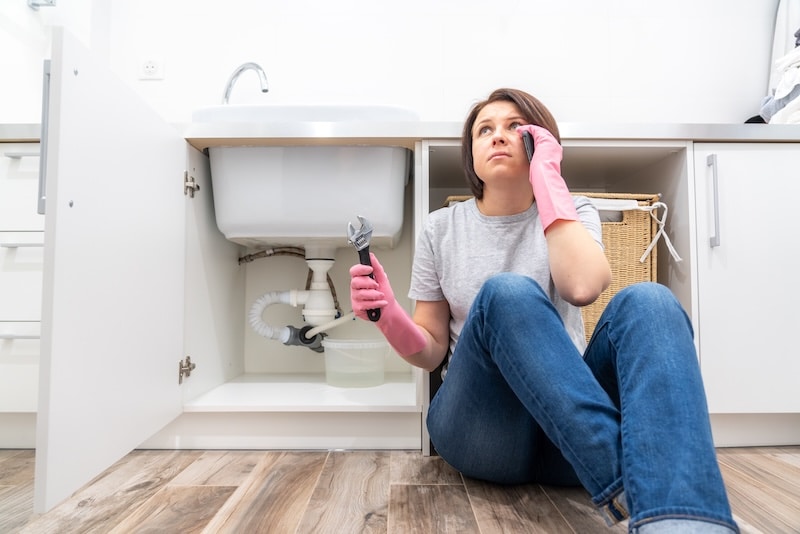
One reason homeowners overlook minor plumbing issues is that the symptoms themselves don’t always seem significant. If a sink drains a little slower this month than it did last month, the change may be so gradual that nobody notices. Likewise, a tiny leak under a cabinet may only leave a few drops of water each day, making it easy to postpone repairs.
However, plumbing systems are interconnected, and seemingly isolated problems sometimes point to larger issues developing behind the scenes. A slow drain may indicate buildup inside the pipe that continues to grow over time. A small leak may signal that a fitting has begun to fail or that corrosion is weakening a section of plumbing. While these conditions don’t always become emergencies, they rarely improve without attention.
Addressing small plumbing concerns early often prevents much larger repairs later.

The Timeline of Plumbing Emergencies Usually Starts with Minor Symptoms
Most plumbing emergencies follow a progression rather than occurring without warning. Although every situation is different, homeowners frequently experience small changes before a major failure takes place.
For example, the timeline may look something like this:
- A drain begins emptying more slowly than normal.
- Water pressure fluctuates occasionally.
- A faucet starts dripping after it’s turned off.
- The toilet bubbles or gurgles once in a while.
- An unpleasant sewer odor appears briefly before disappearing.
- A backup or leak finally occurs.
Not every plumbing problem follows this exact sequence, and experiencing one of these symptoms doesn’t necessarily mean an emergency is imminent. Nevertheless, multiple warning signs appearing over time often indicate that a professional inspection is worthwhile.
Many homeowners adapt surprisingly well to plumbing problems. Instead of asking why the kitchen sink now takes twice as long to drain, they simply become accustomed to waiting a little longer. The problem is that drains generally don’t become slower without a reason. Soap residue, grease, hair, food debris, mineral buildup, or developing sewer line issues can all restrict water flow. As the obstruction grows, the drain continues slowing until it eventually stops altogether or begins backing up into the home.
Because drain problems typically worsen gradually, scheduling service while the drain is still functioning often provides more options than waiting until it’s completely blocked.
Tiny Leaks Can Lead to Bigger Repairs
It’s easy to underestimate a slow drip because it doesn’t create immediate disruption. However, even a small leak can waste a surprising amount of water over time while also exposing cabinets, flooring, drywall, or framing to unnecessary moisture.
In addition, plumbing leaks rarely become smaller on their own. Connections may continue loosening, seals can deteriorate further, and corrosion may spread to surrounding components. Consequently, what begins as a minor repair can eventually become a much larger restoration project if water damage develops.
Repairing a leak while it’s still small is usually simpler than repairing both the plumbing and the damage it leaves behind.
Pressure Changes Often Mean Something Has Changed
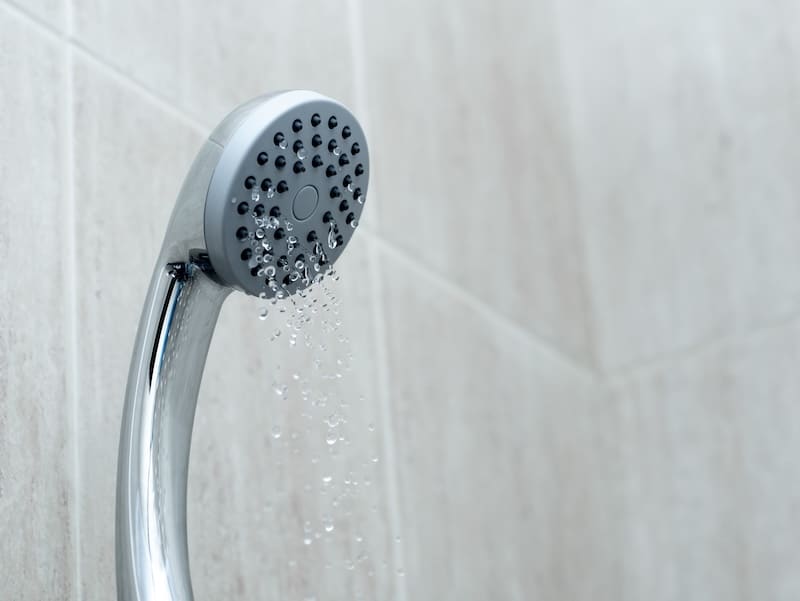
Water pressure naturally varies from time to time, especially if municipal demand changes throughout the day. However, consistent pressure fluctuations inside your home deserve attention. If showers suddenly lose pressure, faucets begin sputtering, or water flow changes noticeably between fixtures, the problem could involve mineral buildup, partially closed valves, hidden leaks, aging pipes, or other plumbing concerns.
Rather than assuming these changes are simply part of owning an older home, it’s worth having them evaluated. Identifying the cause early often prevents additional wear on your plumbing system while restoring the performance homeowners expect.
Occasional Backups Are Still Warning Signs
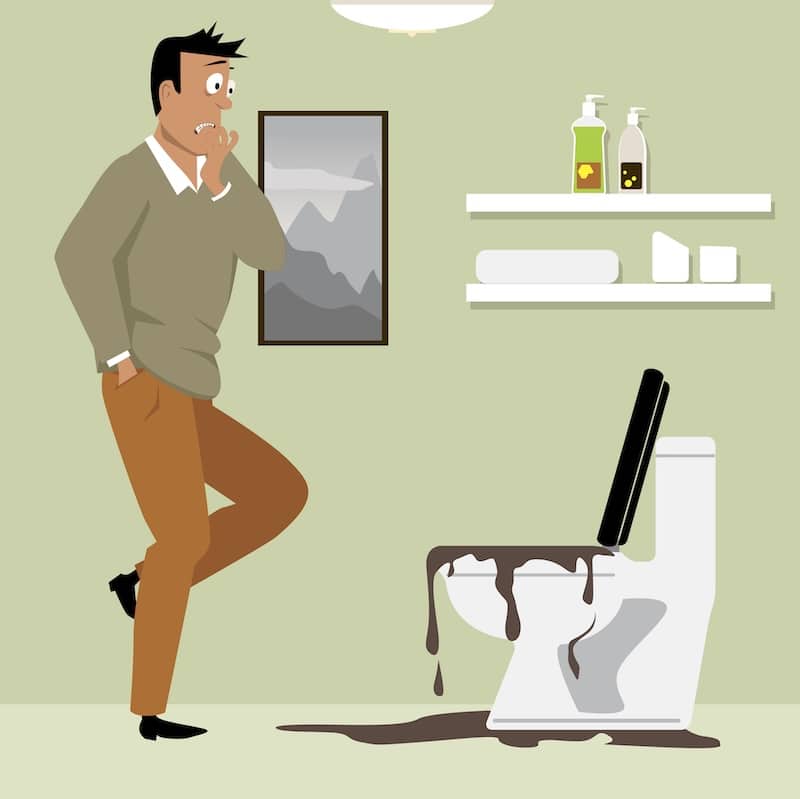
Perhaps one of the most overlooked plumbing symptoms is the backup that “only happens once in a while.” Because the water eventually drains away, homeowners sometimes assume the problem resolved itself. Unfortunately, occasional backups often indicate that wastewater is encountering an obstruction somewhere in the drainage system. As that obstruction grows, backups usually become more frequent until they occur during the worst possible moment.
This is especially true when multiple fixtures begin showing similar symptoms. If toilets, showers, or floor drains are all affected, the issue may extend beyond a single drain and involve the home’s main sewer line.
Preventative Plumbing Saves Time and Money

Waiting until something breaks may seem like the easiest approach, but emergency plumbing repairs often arrive with added stress, unexpected water damage, and greater inconvenience. By comparison, addressing developing problems during a scheduled service visit gives homeowners more flexibility while reducing the likelihood of larger repairs.
Preventative maintenance doesn’t eliminate every plumbing emergency, but it does allow experienced plumbers to identify many developing issues before they become disruptive. In many cases, replacing a worn component or clearing a partially restricted drain is far less expensive than responding to a burst pipe or major sewer backup.
Don’t Ignore What Your Plumbing Is Trying to Tell You

Your plumbing system is constantly providing information about its condition. A slow drain, a dripping faucet, fluctuating water pressure, or an occasional backup may not seem urgent today, but those small changes often represent the first chapter of a much larger story.
At Viking Plumbing Boise, we help homeowners identify plumbing problems before they become plumbing emergencies. Whether you’re dealing with slow drains, hidden leaks, sewer line concerns, water pressure issues, or simply want the peace of mind that comes with a professional inspection, our experienced team is here to help. Taking care of small plumbing problems today may save you from a much larger repair tomorrow.
About Viking Plumbing Boise in Boise, Idaho
Viking Plumbing Boise proudly serves homeowners and businesses throughout Boise, Meridian, Eagle, Garden City, Kuna, Star, Middleton, and the surrounding Treasure Valley. For more than 35 years, our experienced plumbers have provided reliable plumbing repairs, water heater services, drain cleaning, sewer line repair and replacement, repiping, leak detection, camera inspections, and emergency plumbing services. We believe in honest recommendations, quality workmanship, and treating every customer’s home with care while delivering plumbing solutions that last.