
Homeowners often notice strange plumbing noises after the house finally quiets down for the evening. During the day, televisions, conversations, appliances, traffic, and daily activity tend to mask subtle sounds inside the plumbing system. However, once everything settles at night, homeowners suddenly begin hearing ticking, knocking, creaking, humming, vibrating, or brief bursts of pipe movement coming from behind walls and ceilings.

In many situations, these sounds do not necessarily indicate a plumbing emergency. However, they can reveal important clues about how your plumbing system responds to pressure, temperature changes, water usage patterns, and the natural expansion and contraction occurring throughout your home.
At Viking Plumbing, we regularly help homeowners throughout Boise and the rest of the Treasure Valley identify nighttime plumbing noises that leave families wondering whether they should worry or simply ignore them. Sometimes the explanation remains relatively harmless. Other times, recurring sounds may signal underlying pressure issues, failing components, loose pipe supports, or developing plumbing problems that deserve professional attention before they worsen.

Why Do Pipes Make Noise More Often at Night?
The simplest explanation often involves silence itself. Homes naturally become quieter at night, making sounds that already existed throughout the day much easier to notice. However, nighttime plumbing noises also tend to increase because several conditions change simultaneously:
- Outdoor temperatures drop
- Water usage patterns shift
- Water heaters cycle differently
- Pipes expand and contract
- Municipal water pressure fluctuates
- Irrigation systems activate overnight
These changes affect plumbing systems throughout the home in ways many homeowners never realize. For example, Boise’s temperature swings between warm daytime conditions and cooler nighttime temperatures can cause metal pipes to expand and contract repeatedly. As pipes shift slightly inside walls or framing cavities, homeowners may hear ticking or creaking noises that seem mysterious at first.
Why Do Water Pipes Make Ticking Sounds?
Small ticking noises often result from thermal expansion. As hot water moves through pipes, the pipe material expands slightly. Later, as temperatures cool, the material contracts again.
That movement may sound surprisingly loud when:
- Pipes pass through tight framing holes
- Metal contacts wood framing
- Pipe supports loosen over time
- Expansion occurs rapidly
Copper pipes commonly create ticking sounds because metal expands and contracts more noticeably with temperature changes. In many cases, homeowners hear these noises shortly after someone showers, runs hot water, or the water heater begins reheating overnight.
Fortunately, occasional ticking usually does not indicate severe damage. However, persistent or worsening sounds may justify a professional inspection to ensure pipes remain properly supported and protected.

Why Does Plumbing Sometimes Knock at Night?
Knocking noises typically create more concern because they sound sharper and more aggressive than simple ticking.Several conditions may contribute to nighttime knocking:
- Water hammer
- Pressure fluctuations
- Loose pipes
- Valve issues
- Water heater expansion
- Irrigation systems cycling on and off
Water hammer occurs when moving water suddenly stops or changes direction quickly, creating a pressure shockwave inside the plumbing system. That pressure movement can cause pipes to bang against framing or supports.
In some Boise homes, irrigation systems programmed to run overnight contribute to these pressure fluctuations. Homeowners may hear brief knocking sounds when sprinkler valves activate or shut down suddenly during nighttime watering cycles.
Pressure-related noises sometimes become more noticeable overnight because municipal water demand decreases, allowing water pressure inside residential systems to rise slightly higher than daytime levels.
Why Does My Water Heater Make Noise at Night?
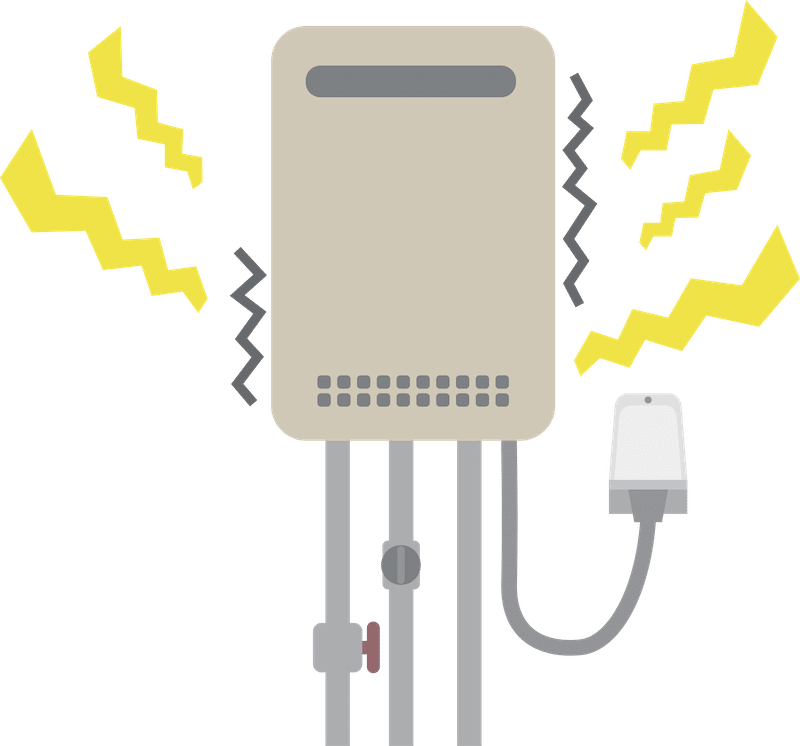
Water heaters frequently become more active during evening and overnight hours as households finish showers, laundry, dishwashing, and other water usage. As the system reheats stored water, expansion and heating processes may create a variety of sounds.
Common nighttime water heater noises include:
- Popping
- Rumbling
- Ticking
- Humming
- Crackling
Sediment buildup often contributes to popping or rumbling sounds inside traditional tank-style water heaters. Minerals settle at the bottom of the tank over time, trapping pockets of water beneath the sediment layer. As the burner heats the tank, those trapped pockets create popping or crackling noises.
Meanwhile, expansion and contraction within nearby plumbing lines may create additional ticking sounds as heated water moves throughout the system.
While occasional operational noise remains normal, louder or increasingly frequent sounds may indicate:
- Excess sediment buildup
- Aging components
- Pressure problems
- Expansion tank issues
- Reduced efficiency
Because water heaters work especially hard during Idaho winters and seasonal temperature swings, preventative maintenance becomes increasingly important over time.
Why Do Plumbing Noises Seem Worse During Boise Weather Changes?
Treasure Valley weather creates unique conditions for residential plumbing systems. Boise often experiences substantial temperature swings between daytime highs and overnight lows, especially during spring and fall.
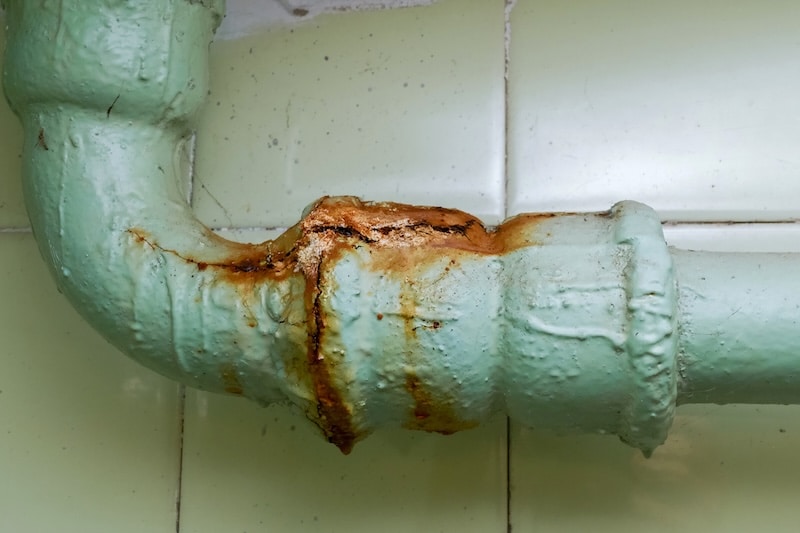
Those fluctuations affect:
- Pipe expansion
- Water temperature
- Ground movement
- Irrigation usage
- Water pressure behavior
As homes heat and cool, structural materials shift slightly as well. Pipes moving against framing or supports may produce sounds that seem random but actually follow predictable expansion patterns tied directly to temperature changes.
During colder months, plumbing systems may also work harder as incoming groundwater temperatures drop significantly. Water heaters require more energy to maintain temperatures, increasing thermal expansion activity throughout the home.
When Should Homeowners Worry About Plumbing Noises?
Not every plumbing sound signals a serious problem. However, certain warning signs deserve closer evaluation.

We encourage homeowners to pay attention if noises become:
- Suddenly louder
- More frequent
- Accompanied by leaks
- Associated with pressure changes
- Linked to discolored water
- Connected to fixture performance problems
For example, banging combined with fluctuating pressure may indicate pressure regulation concerns. Ticking paired with visible drywall staining could point toward pipe movement and developing leaks. Persistent humming near fixtures may involve valve problems or water flow restrictions. The key involves recognizing patterns rather than panicking over every occasional sound.

Why Professional Diagnosis Matters
Many plumbing noises sound similar to homeowners even though the underlying causes differ significantly. One ticking sound may simply reflect harmless expansion while another points toward pipe movement creating long-term wear inside the wall cavity.
At Viking Plumbing, our experienced team helps homeowners throughout the Boise area identify the real source of unusual plumbing behavior rather than guessing blindly or ignoring warning signs altogether. Because plumbing systems operate behind walls and underneath floors, small symptoms sometimes reveal larger developing issues before visible damage occurs. Most importantly, early diagnosis often prevents far more expensive repairs later.
Whether you hear ticking pipes, nighttime knocking, water heater rumbling, or unexplained plumbing sounds that seem to worsen during Boise’s seasonal temperature swings, our team can help determine whether the issue requires attention or simply reflects normal system behavior.
About Viking Plumbing In Boise, Idaho
Viking Plumbing is your trusted, full-service plumbing company proudly serving Boise, Meridian, and the entire Treasure Valley. Our experienced plumbers fix toilets, repair leaks, clear drains, replace water heaters, and solve complex plumbing problems with skill and integrity. When you need reliable plumbing in Idaho, our team stands ready to help. Reach out today for fast service, transparent communication, and long-lasting solutions.