
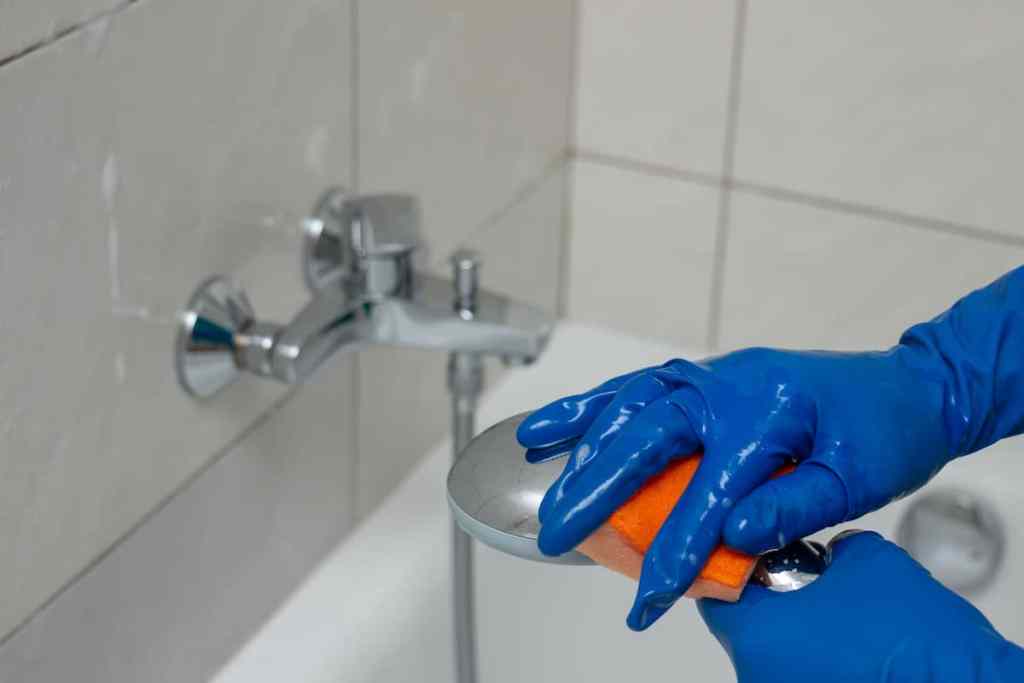

Discovering mold in your bathroom sink drain can be a distressing experience for any homeowner. This unsightly and potentially harmful growth thrives in the damp, dark environment of your plumbing, posing risks to both your health and your home’s infrastructure. Let’s face it – it’s just plain gross! Mold in bathroom sink drains is a common issue that often goes unnoticed until it becomes a significant problem, making it crucial to address promptly and effectively.
Recognizing the signs of bathroom mold, understanding its health implications, and knowing when to call a professional Boise plumber are key to managing this issue. In this blog, we explore the symptoms of mold growth in your sink drain, the potential health risks associated with exposure, and effective home remedies for minor mold problems. We’ll also discuss the circumstances that warrant the expertise of a professional plumber to ensure your bathroom remains a safe and hygienic space.
Recognizing the Signs of Bathroom Mold in Your Sink Drain
Visual Bathroom Mold Cues
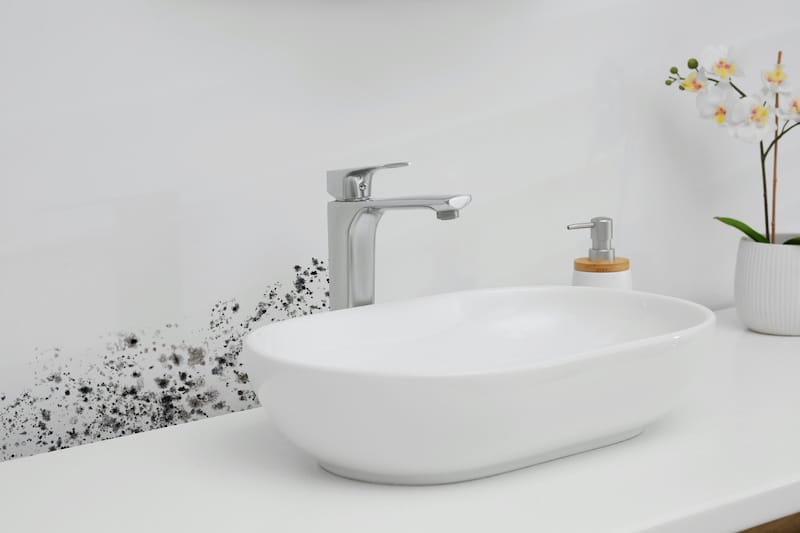
One of the most obvious signs of mold growth in your bathroom sink drain is the presence of visible black, green, or brown spots around the drain opening or on the underside of the stopper. These discolored patches are often slimy or fuzzy in appearance and can indicate a buildup of mold in bathroom sink drain. Regularly inspecting your sink and its components can help you identify mold growth early on, allowing you to address the issue before it becomes a more serious problem.
Unusual Odors Could Signal Bathroom Mold
Another telltale sign of bathroom mold is the presence of a musty or earthy odor emanating from your sink drain. This distinct smell is caused by the volatile organic compounds (VOCs) released by mold during its growth process. If you notice a persistent, unpleasant odor coming from your sink, even after cleaning, it may be a sign that mold is growing within the drain or plumbing system. In some cases, the smell may worsen when running water, as the moisture can disturb the mold and release more VOCs into the air.
What Changes in Water Flow Mean Relative to Bathroom Mold

Mold growth in your bathroom sink drain can also lead to changes in water flow. As the mold accumulates and spreads within the pipes, it can create clogs or obstructions that slow down the drainage of water. If you notice that your sink is draining more slowly than usual or that water is pooling in the basin, it could be a sign of a mold-related blockage.
In severe cases, the drain may become completely blocked, leading to standing water in the sink and an increased risk of overflow. If you experience persistent drainage issues or frequent clogs, investigate the possibility of mold growth and take appropriate action to remediate the problem, which may involve contacting a professional plumber specializing in mold remediation.
Health Risks Associated with Bathroom Mold Exposure
Respiratory Issues

Exposure to mold in bathroom sink drains can lead to various respiratory problems, particularly for individuals with pre-existing conditions such as asthma or chronic obstructive pulmonary disease (COPD). Inhaling mold spores can irritate the lining of the lungs, increasing the risk of asthma attacks and COPD exacerbations. Common respiratory symptoms associated with mold exposure include coughing, wheezing, shortness of breath, and chest tightness. In severe cases, prolonged exposure to mold may even contribute to the development of chronic respiratory illnesses in otherwise healthy individuals.
Allergic Reactions
Mold growth in bathroom sink drains can also trigger allergic reactions in sensitive individuals. When mold spores are inhaled or encounter the skin, they can cause an overreaction of the immune system, leading to symptoms such as sneezing, runny nose, itchy eyes, and skin rashes. In some cases, mold allergies can be severe, causing significant discomfort and impacting an individual’s quality of life. If you suspect that you may have a mold allergy, consult with an allergist for proper diagnosis and treatment.
Long-Term Health Concerns

In addition to the immediate health risks posed by mold exposure, there are also potential long-term consequences to consider. Prolonged exposure to mold has been linked to an increased risk of developing chronic sinusitis, a condition characterized by persistent inflammation of the sinuses. Moreover, some studies suggest that exposure to certain types of mold, such as
Stachybotrys chartarum (also known as black mold), may be associated with more severe health issues, including neurological problems and even certain types of cancer, although more research is needed to fully understand these potential risks. To minimize the long-term health impacts of mold exposure, it is crucial to address any mold growth in your bathroom sink drain promptly and take steps to prevent future mold issues.
Effective Home Remedies for Minor Bathroom Mold Issues
If you’ve noticed minor mold growth in your bathroom sink drain, there are several effective home remedies you can try before calling a professional plumber. These DIY solutions can help combat mold and prevent it from spreading further.
Vinegar and Baking Soda Solutions

One of the most popular and effective home remedies for tackling mold in bathroom sink drains is a combination of vinegar and baking soda. Start by pouring a cup of baking soda down the drain, followed by a cup of white vinegar. The mixture will fizz and bubble, helping to loosen and break down the mold. Allow the solution to sit for at least an hour, or overnight for best results, before flushing the drain with hot water.
Essential Oil Treatments

Certain essential oils, such as tea tree, clove, and eucalyptus, have natural antifungal properties that can help combat mold growth. Mix a few drops of your chosen essential oil with water in a spray bottle and apply the solution directly to the affected areas. Allow the mixture to sit for several hours before scrubbing the area with a brush and rinsing with hot water. The pleasant scent of the essential oils will also help to mask any musty odors caused by the mold. However, be careful not to just mask the issue. If it persists, call a plumber.
Proper Drain Cleaning Techniques
Regular cleaning and maintenance of your bathroom sink drain can go a long way in preventing mold growth. Use a drain snake or a plumber’s auger to remove hair, soap scum, and other debris that can contribute to mold growth. Additionally, pouring boiling water down the drain once a week can help to kill any mold spores and prevent them from taking hold.
When to Seek Professional Plumbing Assistance
Persistent Bathroom Mold Growth
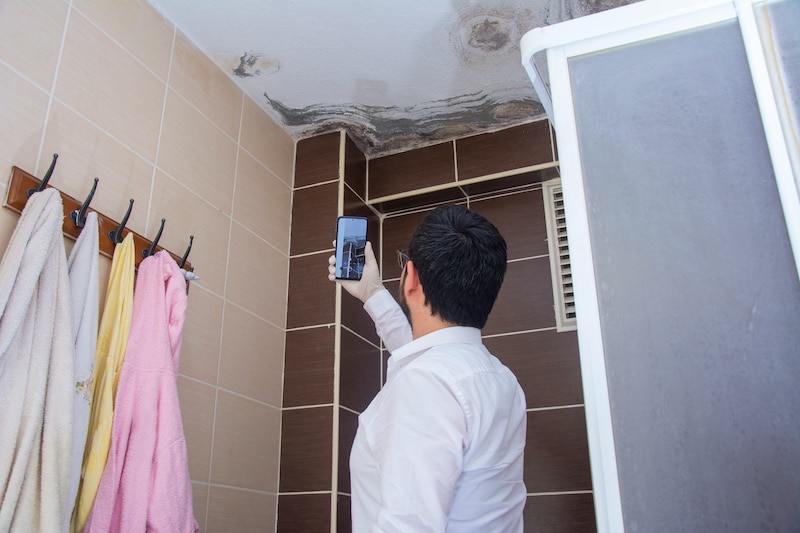
If you’ve tried DIY methods to remove mold in bathroom sink drain but it keeps coming back, call a professional Boise plumber. Persistent mold growth can indicate hidden plumbing problems that require specialized tools and expertise to resolve. A professional plumber can identify the root cause of the issue, such as leaks or poor ventilation, and implement effective solutions to prevent future mold growth in your bathroom sink drain.
Hidden Plumbing Problems
Sometimes, mold in bathroom sink drain can be a symptom of more serious plumbing issues that are not immediately visible. If you notice musty odors, water stains, or other signs of water damage in addition to mold growth, seek professional assistance. A skilled plumber can use advanced diagnostic techniques to detect hidden leaks, corroded pipes, or other structural issues that may be contributing to mold growth and pose significant health risks if left untreated.
Large-Scale Infestations
When dealing with extensive mold growth that covers a large area of your bathroom or has spread to multiple surfaces, enlist the help of a professional plumber who specializes in mold remediation. Large-scale infestations can be difficult and dangerous to tackle on your own, as they may require special containment measures and disposal procedures to prevent the spread of mold spores throughout your home. A professional Boise plumber with experience in bathroom mold remediation can safely and effectively remove the mold, address any underlying plumbing issues, and restore your bathroom to a healthy, mold-free condition. What’s more, we work closely with mold remediation companies. So, we can make appropriate recommendations.

Dealing with mold in your bathroom sink drain can be a tricky business. It’s not just about getting rid of an unsightly problem; it’s about keeping your home safe and healthy. From spotting the first signs of mold to knowing when to call in the pros, taking care of this issue is crucial. Remember, while some minor mold problems can be tackled with home remedies, persistent or large-scale infestations need expert attention.
About Viking Plumbing in Boise, Idaho
Viking Plumbing has become Boise’s long standing go to Plumber. With 35 years of experience, we have worked hard to earn the trust of our customers by providing exceptional plumbing, and customer service. Our customers continue to let us know their appreciation of our work with their 5 star testimonials. Whether you are dealing with clogged drains or need a whole home re-piping service, there is not a plumbing job too big for us to handle. If you or anyone you know are suffering from a plumbing issue, or are looking for a professional plumber to trust, we encourage you to give us a call now. (208) 369-9933 Let us earn your trust and business by providing you with the best Plumbing Service in Boise, Idaho!