What Homeowners Should Know About Residential Gas Lines This Memorial Day
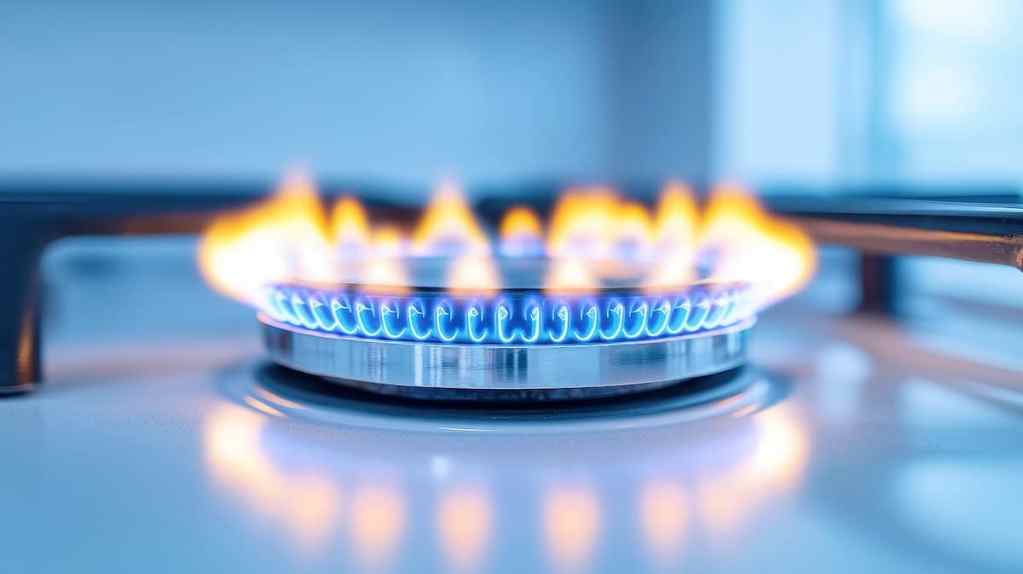
Memorial Day weekend is just around the corner, and for many of us in Boise and throughout the Treasure Valley, that means dusting off the patio furniture, firing up the grill, and enjoying the outdoors with friends and family. If you use a natural gas-powered BBQ or outdoor kitchen, it’s a great time to pause and think about something most homeowners overlook—your residential gas lines.
Gas lines are the invisible workhorses behind many of our modern comforts. Whether they’re powering your indoor stove, fireplace, water heater, or that outdoor grill, gas lines need to be in good shape to keep your home safe and functional. At Viking Plumbing, we’ve helped hundreds of homeowners with gas line repairs, installations, and inspections—and we know that awareness is the first step toward preventing serious problems.
Here’s what you need to know about residential gas lines, especially as you get ready for the long holiday weekend.
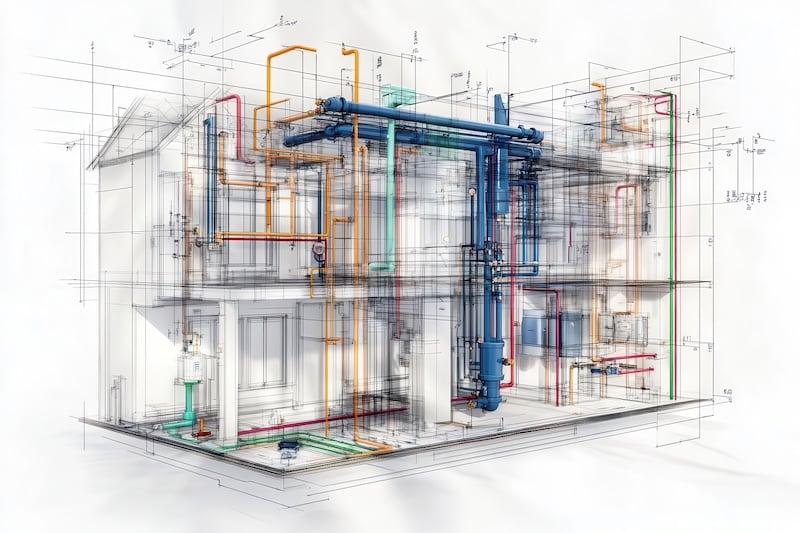
A residential gas line is a system of pipes that delivers natural gas or propane to your home’s appliances. It usually connects from your municipal utility or private tank and runs underground to your home, where it branches off to feed specific appliances.
Some of the most common household systems powered by gas include:
What Are Residential Gas Lines?
Furnaces and boilers
Water heaters
Kitchen stoves and ovens
Clothes dryers
Indoor fireplaces
BBQ grills and outdoor kitchens
Pool heaters and fire pits
In many homes throughout Boise, gas is the fuel of choice thanks to its efficiency, reliability, and lower energy costs. But with those benefits comes responsibility. Gas leaks can be dangerous and even deadly if left unchecked, which is why understanding the basics—and keeping your system maintained—is critical.
Issues With Common Residential Gas Lines
Gas lines are generally safe when installed and maintained correctly, but like any part of your home’s infrastructure, they can develop problems over time. Some of the most common issues we encounter include:
1. Aging or Corroded Pipes & residential Gas Lines
Older homes, particularly those built before the 1980s, may still have gas lines made of materials that are now outdated or prone to corrosion, such as black iron or galvanized steel. Over time, these pipes can weaken and develop leaks.
2. residential Gas Lines & Poor Installation or DIY Repairs
Improperly installed gas lines or amateur fixes can create major hazards. Gas work is not a DIY job—it requires experience, certification, and knowledge of local code.
3. Earth Movement or Tree Root Interference
Even slight ground movement can put stress on underground gas lines. In Boise and surrounding areas, soil shifts or tree root growth can crack or dislodge piping.
4. Appliance Connector Leaks
Flexible connectors linking appliances to the main gas line can degrade or become loose, especially in outdoor setups where they’re exposed to weather extremes.
5. Rodent Damage
In crawlspaces and attics, we’ve seen rodents chew through flexible gas lines or damage supporting infrastructure—something homeowners don’t expect until there’s a leak.
Signs You Might Have a Leak in Residential Gas Lines
Knowing the warning signs of a gas leak can make all the difference. If you notice any of the following, leave the area immediately and call your utility company or a licensed plumber:
A strong sulfur or “rotten egg” smell
Hissing or whistling noises near gas appliances or lines
Dead vegetation above or around buried gas lines
Bubbles in standing water near outdoor piping
Higher-than-normal gas bills without increased usage
Feeling dizzy, lightheaded, nauseated, or short of breath indoors
Safety always comes first. If you suspect a leak, don’t use your phone, turn on lights, or ignite anything. Just leave and call for help.
Memorial Day Reminders: Outdoor Gas Safety
With outdoor cooking and entertainment ramping up, Memorial Day is the unofficial kickoff of grill season. If you use a natural gas line to fuel your BBQ or outdoor kitchen, follow these quick safety tips:
1. Inspect Your Grill and Connections Check the gas hose for cracks, wear, or leaks. If you smell gas when turning it on—or if the flame looks weak or yellow—turn it off immediately.
2. Test for Leaks Use a soap-and-water solution around fittings and hose connections. If you see bubbles forming, that’s a sign of a leak.
3. Don’t Move a Hard-Plumbed Grill If your grill is directly connected to your home’s gas line, never try to move it without shutting off the gas and consulting a professional. Pulling on a fixed line can cause a break or tear. So, call us to move it!
4. Have a Shutoff Valve Installed For added peace of mind, we recommend having a dedicated shutoff valve near your outdoor gas appliances. This allows for easy emergency access and seasonal disconnection.
Professional Gas Line Services Matter
yellow gas pipe, wrench and protective gloves on dark tile surface. concept of repair gas pipeline in the house.
When it comes to gas lines, even small mistakes can have big consequences. That’s why professional installation, inspection, and repair is non-negotiable. Here’s what we offer:
New gas line installation for appliances, outdoor kitchens, fire pits, and water heaters
Leak detection and repair using specialized equipment and methods
System pressure testing to identify potential weak points
Code-compliant rerouting or upgrading of aging gas infrastructure
Safety inspections for existing lines before new appliance installation
We take pride in getting every detail right—from permits and pipe sizing to secure fittings and venting. Whether you’re building a new outdoor kitchen or just want peace of mind before hosting a backyard BBQ, we’re here to help.
Should You Consider a Gas Line Upgrade?
If your home is older or if you’re planning to add new gas-powered appliances, it might be time to upgrade or expand your gas line system. Adding capacity safely requires careful planning and pressure calculations, and we can help with:
Determining total gas load
Sizing and routing new lines
Installing shutoff valves for each appliance
Pressure testing the full system
Whether you’re in Boise proper, Meridian, or anywhere across the Treasure Valley, we’ll make sure your gas lines meet both safety codes and your household’s growing needs.
About Viking Plumbing in Boise, Idaho
If you’ve got a plumbing issue, we’re here to help. Viking Plumbing offers expert plumbing services in Boise and throughout the Treasure Valley. We specialize in everything from water heaters and drain cleaning to sewer line inspections and emergency repairs. Our team of skilled plumbers brings years of experience and friendly service to every job. Call Viking Plumbing today and let us take the stress out of your plumbing problems.