

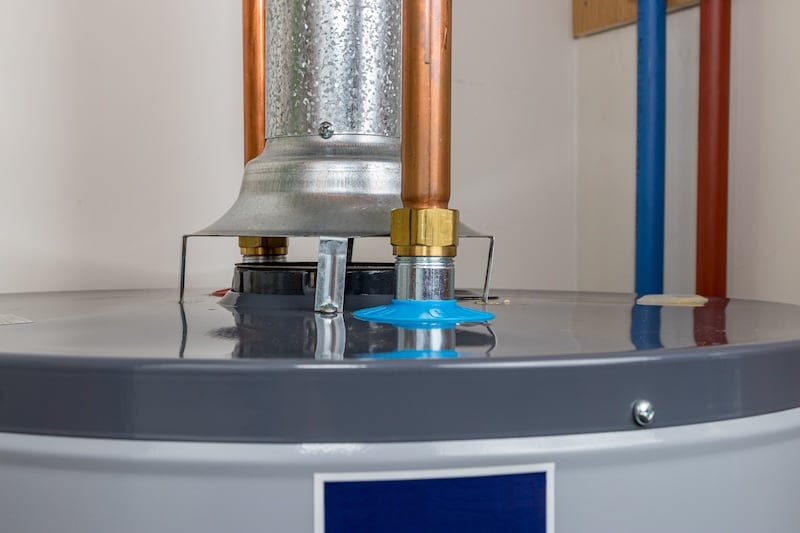
Why Does My Water Heater Run Out Faster Than It Used To?
Have you noticed that your morning shower gets cold sooner than it used to? Perhaps your water heater once supplied enough hot water for everyone in the family. Now, the last person to shower gets an unpleasant surprise. If your hot water runs out faster than before, several factors could explain the change.
At Viking Plumbing Boise, we help homeowners throughout Boise, Meridian, Eagle, Garden City, and Star troubleshoot hot water problems. While an aging water heater may need replacement, many hot water issues have other causes. Understanding what has changed can help you decide when to call a plumber.
Sediment Buildup Can Reduce Your Hot Water Supply
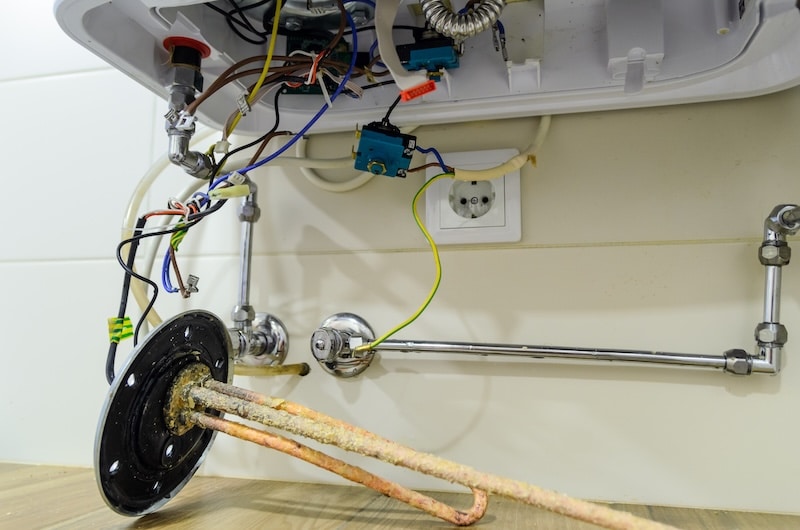
Over time, minerals naturally present in water can settle at the bottom of a traditional tank-style water heater. This buildup, called sediment, can affect heating performance. In some cases, it also reduces the tank’s usable water capacity. As sediment accumulates, the water heater may struggle to maintain its previous performance. Gas water heaters can develop popping or rumbling sounds as water heats beneath mineral deposits. Additionally, heavy buildup can make heat transfer less efficient.
Regular maintenance may help limit these problems. However, flushing a heavily neglected or deteriorating tank requires care. A professional plumber can assess its condition before recommending maintenance.
A Damaged Dip Tube Can Make Hot Water Disappear Quickly
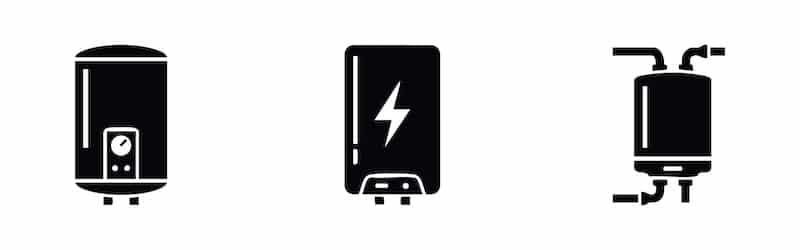
Inside most traditional tank water heaters, a component called the dip tube directs incoming cold water toward the bottom of the tank. This allows the hot water near the top to flow toward your faucets and showers. However, a cracked, broken, or deteriorating dip tube can disrupt that process. Instead of entering near the bottom, cold water may mix with hot water higher in the tank. Consequently, your shower may turn lukewarm much sooner than expected.
The confusing part? Your water heater may still heat water normally. Because the problem involves water distribution inside the tank, simply adjusting the thermostat won’t fix it. A plumber can inspect the system and determine whether a damaged dip tube is responsible. In some cases, replacing this component restores the expected hot water supply.
Thermostat Problems Can Affect Hot Water Recovery
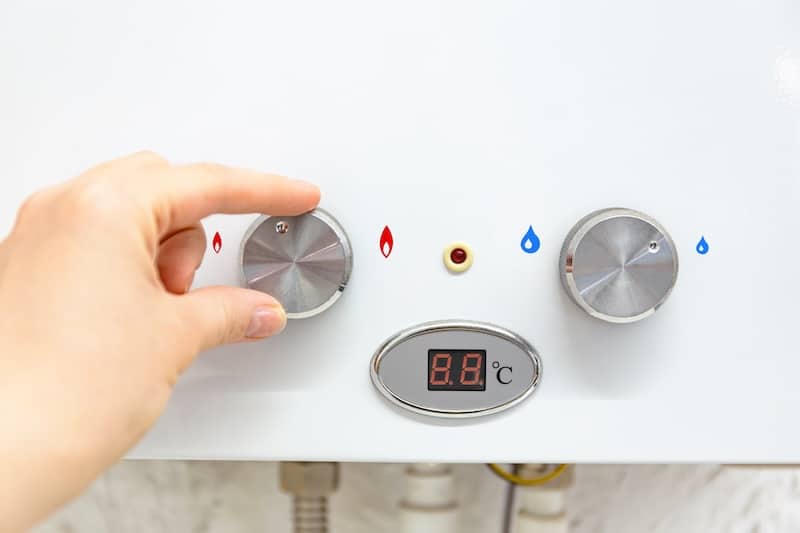
Your water heater’s thermostat controls when the heating system activates. If the thermostat malfunctions, the water may not reach or maintain its intended temperature. Electric water heaters often have two heating elements and associated thermostats. When one component stops working, the heater may still produce hot water. However, the available supply or recovery rate may decline. For example, you might enjoy a normal shower but discover that the next person gets cold water. Alternatively, the heater may take much longer to replenish its supply after heavy use.
Because thermostat and heating element problems can produce similar symptoms, professional testing helps identify the cause. Avoid raising the temperature excessively to compensate. Higher settings increase scalding risks, especially for children and older adults.
Has Your Family’s Hot Water Demand Increased?
Sometimes, the water heater hasn’t changed at all. Instead, your household simply uses more hot water than it did a few years ago.
Consider how your daily routine may have evolved:
- Teenagers may take longer or more frequent showers.
- Additional family members may share the household.
- Guests may increase demand during holidays.
- Laundry and dishwashing may overlap with shower times.
- A new showerhead may use more water per minute.
Even small changes can make a noticeable difference. For instance, running the dishwasher while two people shower may exceed the heater’s available hot water capacity. Furthermore, tank-style water heaters need time to heat replacement water. If demand consistently exceeds recovery capacity, the final person in line may experience a cold shower.
In these situations, a plumber can evaluate your household’s usage and existing equipment. You may benefit from changes in scheduling, improved efficiency, or a properly sized replacement system.
Hard Water Can Affect Water Heater Performance
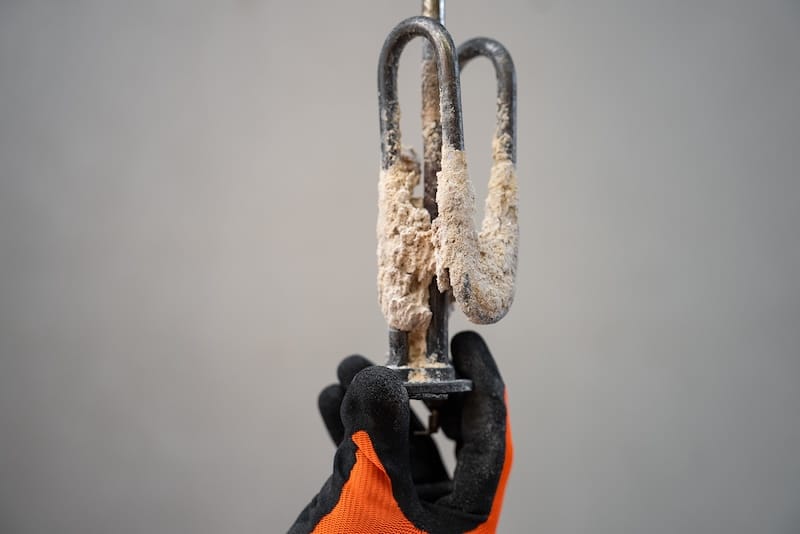
Hard water contains dissolved minerals, primarily calcium and magnesium. As water heats, some minerals can form scale inside the water heater and on heating components. Over time, mineral deposits may reduce heating efficiency and contribute to sediment accumulation. Electric heating elements can develop scale that interferes with heat transfer. Meanwhile, tankless water heaters can also experience restricted flow and performance problems from mineral buildup.
Hard water doesn’t automatically mean your water heater will run out quickly. Nevertheless, persistent mineral accumulation can contribute to declining performance. At Viking Plumbing Boise, we can evaluate whether mineral buildup is affecting your water heater. Depending on the situation, maintenance or water treatment may help protect your plumbing equipment.
Why Hot Water Recovery Time Matters

Another factor homeowners often overlook is recovery time. This refers to how quickly a water heater can replenish its supply after hot water has been used. Two water heaters with similar tank capacities may have different recovery rates. Fuel type, heating capacity, thermostat operation, and equipment condition all influence performance.
For example, a 50-gallon tank doesn’t necessarily deliver 50 gallons of consistently hot water during continuous use. Incoming cold water mixes with stored water as the tank empties. Therefore, the usable hot water supply depends on more than tank size alone.
If your household’s needs have increased, recovery time may explain why your water heater suddenly seems inadequate.
Should You Repair or Replace Your Water Heater?
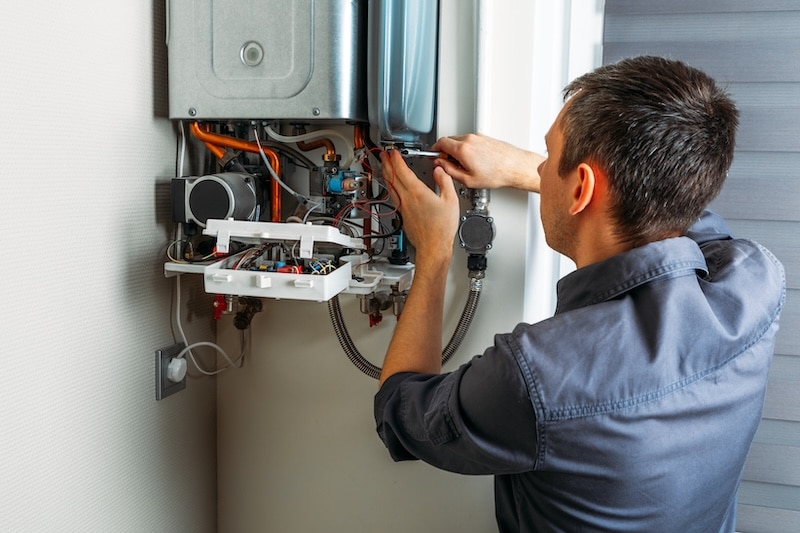
Running out of hot water doesn’t automatically mean you need a new water heater. A damaged dip tube, faulty thermostat, or heating element problem may be repairable. However, age, corrosion, extensive sediment buildup, and repeated repairs can affect the decision. A professional inspection helps determine whether restoring performance makes financial sense.
Before recommending replacement, we consider the water heater’s condition, capacity, and your household’s needs. Our goal is to help you choose a practical solution rather than replace equipment unnecessarily.
Call Viking Plumbing Boise When Your Hot Water Doesn’t Last
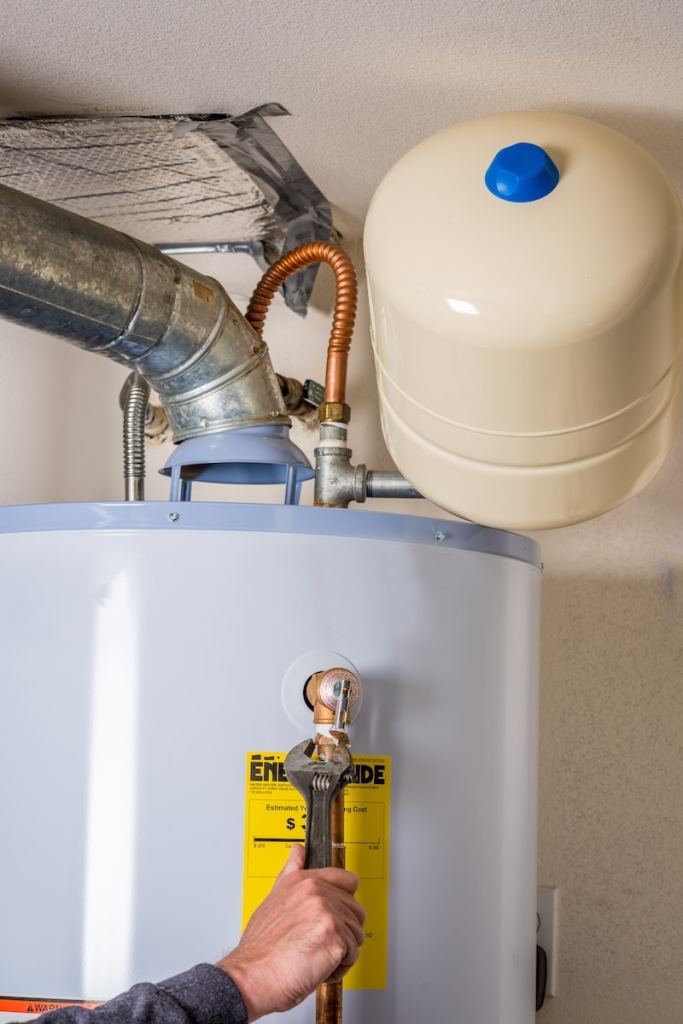
If your water heater once kept up with your household but now struggles, don’t assume the problem will resolve itself. Sediment, mineral buildup, damaged components, and increased demand can all affect your hot water supply.
About Viking Plumbing Boise In Boise, Idaho
Viking Plumbing Boise proudly serves homeowners and businesses throughout Boise, Meridian, Eagle, Garden City, Kuna, Star, Middleton, and the surrounding Treasure Valley. For more than 35 years, our experienced plumbers have provided reliable plumbing repairs, water heater services, drain cleaning, sewer line repair and replacement, repiping, leak detection, camera inspections, and emergency plumbing services. We believe in honest recommendations, quality workmanship, and treating every customer’s home with care while delivering plumbing solutions that last.