
Shower Temperature Swings? Your Mixing Valve Might Be Failing
Cold mornings already test everyone’s patience in Boise and across the Treasure Valley. Stepping into the shower should bring instant relief, not a blast of freezing water followed by a sudden scalding surge. When shower temperatures swing without warning, something inside your plumbing system needs attention — and winter weather often exposes the problem.
As the New Year begins, many homeowners focus on comfort and reliability. Few things disrupt a winter routine faster than unpredictable hot water. In many cases, the culprit hides behind the shower wall: a failing mixing valve.
Understanding how mixing valves work, why cold weather accelerates problems, and when professional repair makes sense helps homeowners restore safe, consistent shower temperatures before the issue worsens.
Why Winter Makes Shower Problems More Obvious
Cold weather increases demand on plumbing systems. Water heaters work harder. Pipes experience larger temperature swings. Multiple fixtures often run simultaneously as households spend more time indoors.
These conditions expose weaknesses in components that already wear with age. Mixing valves, which regulate hot and cold water balance at the shower, struggle when internal parts degrade or mineral buildup interferes with movement.
A valve that barely functions during summer may fail outright once winter stress arrives.
What a Mixing Valve Actually Does
A mixing valve controls how hot and cold water blend before reaching your showerhead. Its job sounds simple, but safety depends on precise performance.
When someone flushes a toilet, runs a sink, or starts a washing machine, water pressure shifts instantly. The mixing valve compensates, keeping shower temperature stable instead of allowing sudden temperature spikes.
When valves wear out, compensation fails. Pressure changes cause temperature swings that surprise — and sometimes injure — unsuspecting users.
Pressure-Balance Valves vs. Thermostatic Valves
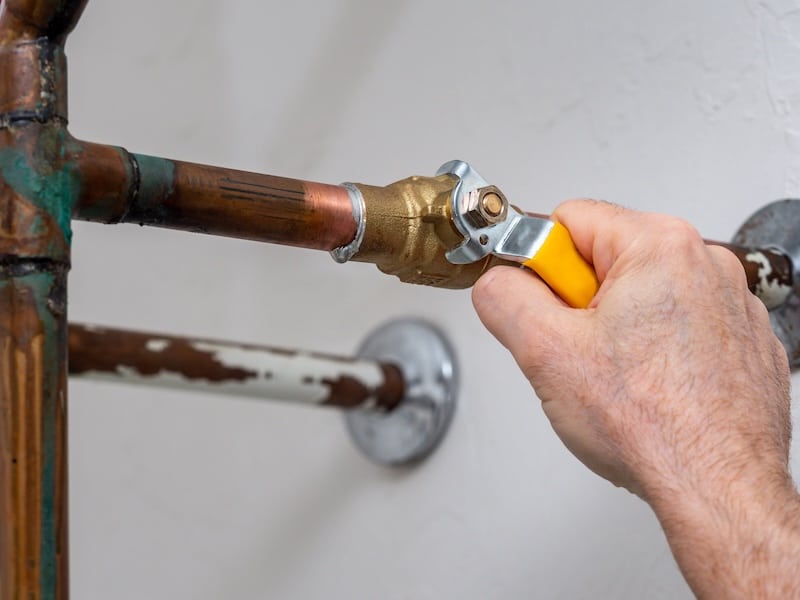
Most homes use one of two valve types, and understanding the difference explains why symptoms vary.
Pressure-balance valves respond to pressure changes. If cold water pressure drops, the valve reduces hot water flow to maintain balance. These valves protect against scalding but don’t maintain an exact temperature.
Thermostatic valves regulate temperature directly. They sense water temperature and adjust flow automatically, even when pressure fluctuates. These valves offer superior comfort and safety but contain more internal components that wear over time.
Both valve types fail eventually. Winter demand often reveals early warning signs.
Warning Signs Your Mixing Valve Needs Attention
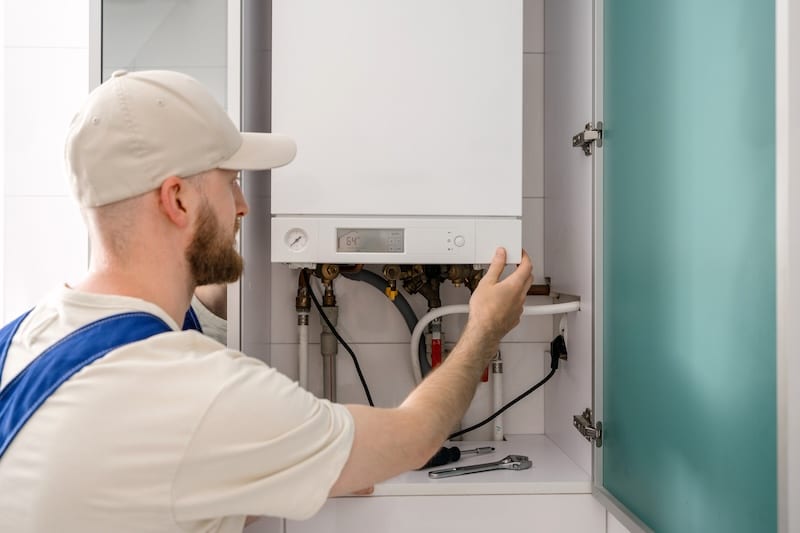
Temperature swings rarely appear without notice. Homeowners often experience subtle changes first:
- Water runs hot, then suddenly turns cold
- Temperature changes when another fixture operates
- Showers require constant handle adjustment
- Hot water never reaches a consistent level
- Sudden bursts of very hot or very cold water
Ignoring these symptoms invites bigger problems. Valves rarely fix themselves, and failure typically accelerates once symptoms begin.
The Safety Risk of Sudden Temperature Changes

Temperature swings pose more than inconvenience. Sudden scalding creates serious injury risk, especially for children, older adults, and anyone with reduced mobility.
Cold shocks also increase slip-and-fall risk when startled occupants react quickly. Bathrooms already rank among the most accident-prone areas of the home. Failing mixing valves raise that risk substantially.
Modern plumbing standards emphasize anti-scald protection for good reason. Reliable temperature control protects every household member.
How Cold Weather Accelerates Mixing Valve Failure
Boise winters bring colder incoming water temperatures. That temperature difference forces mixing valves to work harder to maintain balance.
Mineral buildup from hard water compounds the problem. Scale accumulates inside valve cartridges, restricting movement and preventing accurate response. Cold weather thickens internal lubricants and stiffens seals, further reducing performance.
Valves nearing the end of their service life often fail during winter because conditions demand more precision than worn components can deliver.
Why DIY Fixes Rarely Solve the Problem
Online advice often suggests adjusting shower handles, cleaning cartridges, or flushing lines. While minor maintenance helps in rare cases, most failing valves require professional repair or replacement.
Mixing valves integrate tightly with plumbing systems. Improper adjustments can worsen temperature instability or compromise safety features. Some valves require manufacturer-specific parts and calibration tools.
Attempting DIY repairs risks leaks behind walls, water damage, and continued temperature hazards.
When Repair Makes Sense — and When Replacement Works Better
In some cases, replacing internal cartridges restores performance. In others, full valve replacement offers the safest and most cost-effective solution.
Factors influencing the decision include:

- Valve age
- Mineral buildup severity
- Availability of replacement parts
- Code compliance and safety upgrades
- Professional evaluation identifies the smartest path forward instead of guessing.
The New Year Advantage: Fixing Problems Before They Escalate
The start of the year offers a practical reset point. Addressing shower temperature issues early prevents months of discomfort during peak winter usage.
Waiting until complete failure often leads to emergency repairs, higher costs, and longer downtime. Proactive service keeps routines intact and avoids surprise cold showers during the coldest weeks of the year.
How Professional Mixing Valve Repair Restores Comfort and Confidence
Professional plumbers test pressure balance, temperature response, and valve integrity. They evaluate how the system performs under real-world conditions, not just ideal scenarios.
Upgrading or repairing mixing valves restores predictable shower temperatures, improves safety, and reduces stress on water heaters and piping systems.
Why Local Expertise Matters in Boise
Treasure Valley water conditions accelerate mineral buildup. Seasonal temperature swings stress plumbing components more aggressively than in milder climates.
Viking Plumbing understands how local conditions affect mixing valves, water heaters, and plumbing systems. That experience allows accurate diagnosis and durable repairs tailored to Idaho homes.
A Better Way to Start Winter Mornings
Cold weather already challenges comfort. Your shower shouldn’t add to the frustration. If temperatures swing unexpectedly, your plumbing system likely sends a clear signal that attention is needed.
Addressing mixing valve issues early protects safety, restores comfort, and helps your home operate smoothly through the remainder of winter.
If your showers feel unpredictable, schedule a professional inspection and start the year with reliable hot water exactly when you need it.
About Viking Plumbing in Boise, Idaho
Viking Plumbing is your trusted, full-service plumbing company proudly serving Boise, Meridian, and the entire Treasure Valley. Our experienced plumbers fix toilets, repair leaks, clear drains, replace water heaters, and solve complex plumbing problems with skill and integrity. When you need reliable plumbing in Idaho, our team stands ready to help. Reach out today for fast service, transparent communication, and long-lasting solutions.