

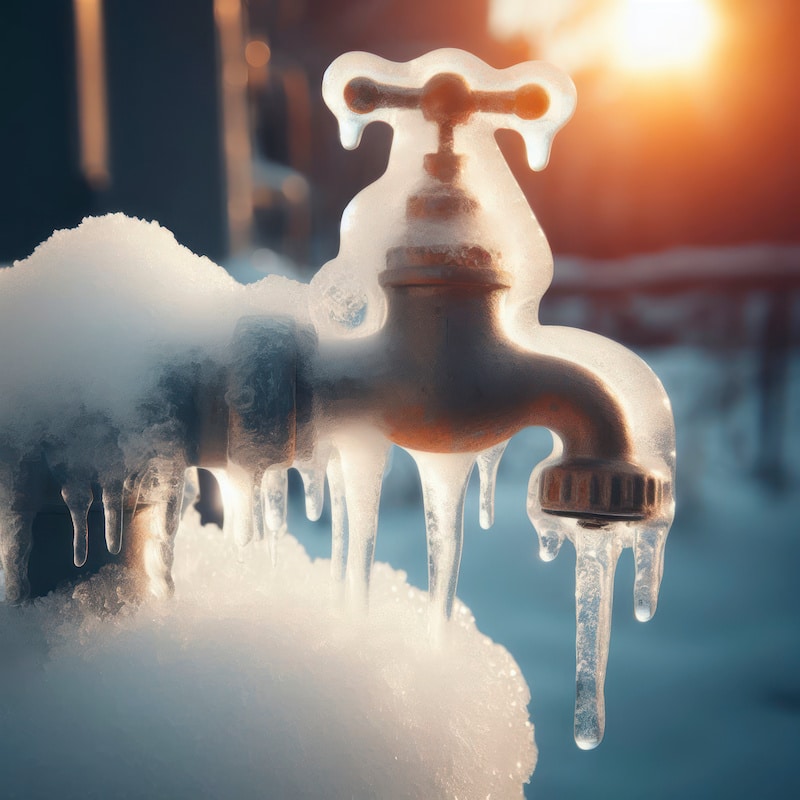
While our Southern Idaho climate is generally quite mild, comparatively speaking, frozen pipes happen. In this blog, we discuss ways to reduce your risk of facing this unfortunate event. Your pipes face freezing risks as winter temperatures drop. A single frozen pipe can burst and cause thousands of dollars in water damage to your home’s interior.
Dripping faucets at the right time saves you from expensive repairs and frozen pipe problems during cold snaps. These simple prevention step protects your home’s plumbing system through winter’s coldest days.
Key Temperature Points for Reducing the Risk of Frozen Pipes

Temperature and exposure determine how quickly pipes freeze. Uninsulated pipes freeze within 3 hours. Insulated pipes take longer – up to 6 hours. The risk grows as temperatures stay below freezing. So, one of the best ways you can guard against frozen pipes is to keep your garage door closed when it’s cold outside. Simple, yes, but effective.
Regional Climate Considerations & Frozen Pipes

Your home’s location affects pipe freezing risk in unexpected ways. In Idaho:
- Insulation surrounds most pipes
- Residents handle winter preparation well
- Building designs account for cold weather
Using Weather Forecasts Effectively
Monitoring weather helps you prevent frozen pipes. Watch temperature forecasts that predict low temps, especially when these cold spells last beyond 4-6 hours. The location of pipes in your home determines their freezing risk. Cold snaps demand extra attention to pipes in unheated spaces like attics, crawl spaces, and exterior walls. Interior pipes need basic protection – keep your home’s thermostat above 55 Farenhiet in cold weather.
Further Pipe Freezing Tips
The right faucet dripping technique will make the difference between protected pipes and pricey repairs. Proper dripping involves more than just turning on tap. You need the right placement and precise execution. By now, you have probably paid to have your sprinklers blown out. And this is good. But don’t forget to also detach your hose bib from the house. This will prevent water from freezing inside the house and pipes.
Hot vs Cold Water Frozen Pipes Considerations

The cold water line needs your attention since it freezes more easily. Cold water supply lines usually run through cooler areas of your home and face more exposure to freezing temperatures. When severe cold hits, open the cabinet doors beneath your sinks so warm air can circulate around the pipes.
Monitoring Your Home’s Risks for Frozen Pipes
Knowing where to look for potential problems is the first step in protecting your pipes. Insurance data shows that water damage and freezing claims represent 29.4% of all homeowner insurance claims in the US.
Identifying Risk of Frozen Pipes

Pipes exposed to severe cold are most vulnerable, especially when you have unheated or poorly insulated areas:
- Pipes in exterior walls and unfinished basements
- Plumbing in attics and crawl spaces
- Water lines in garages or unheated areas
- Exterior hose bibs and swimming pool supply lines
Using Temperature Sensors
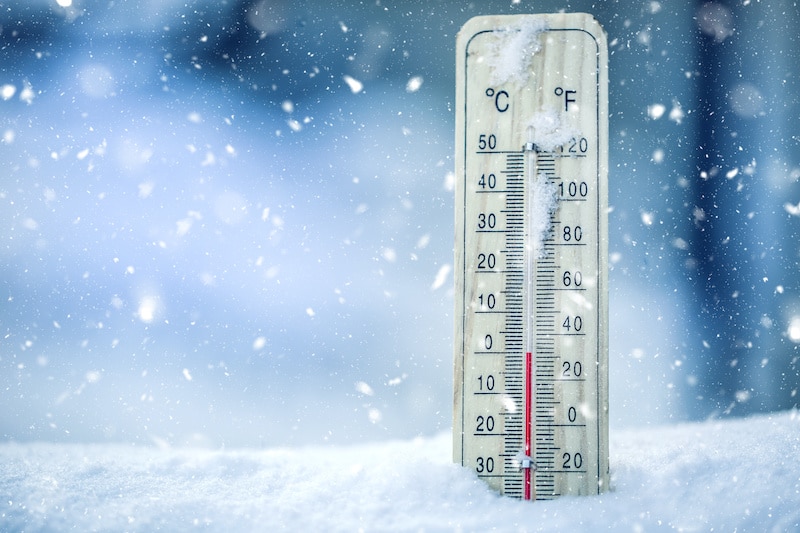
Technology provides reliable ways to monitor pipes in freezing weather. Remote temperature sensors track conditions around the clock and alert you before issues develop. These devices help you avoid damage that can get pricey, as the average frozen pipe claim can cost a pretty penny. Place sensors in critical spots where pipes might freeze. These smart devices send instant alerts to your phone as temperatures approach freezing points, giving you time to prevent problems.
Signs of Impending Freezing
You can prevent major damage by acting quickly. Watch for these early warning signs of frozen pipes:
- Reduced water flow or no water from faucets
- Frost visible on exposed pipes
- Strange sounds like whistling or gurgling when using water
- Unusual odors coming from drains or faucets
- Bulging or cracked sections in visible pipes
Managing Water Usage and Costs
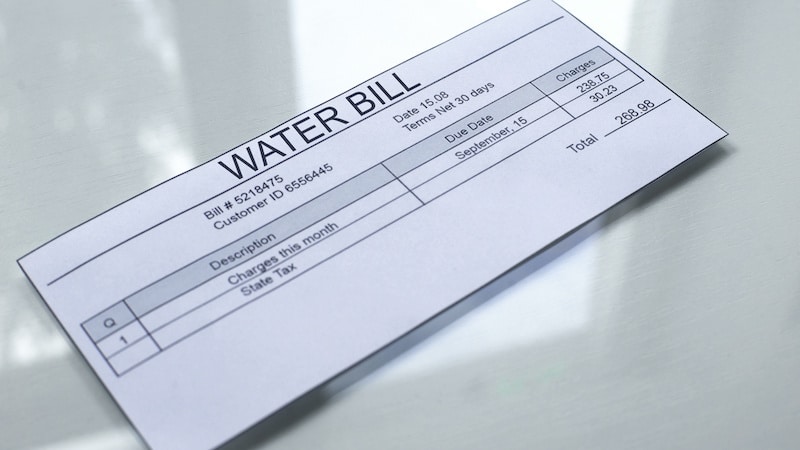
Dripping faucets protect your plumbing and smart water usage management keeps costs in check. A single dripping faucet might not seem like much, but the numbers tell a different story.
Calculating Dripping Water Consumption
Your faucet dripping at one drop per second uses about 1,661 gallons of water yearly. The math shows that a slow drip adds up to 15,140 drips per gallon. Drip speed changes everything – a rate of one drip every six seconds equals 600 drips per hour.
Energy Bill Implications of Frozen Pipes
These costs go beyond just your water bill. Hot water drips force your water heater to work harder to keep temperatures stable, which drives up energy costs. Water heating makes up 18% of your utility bill. Just one dripping faucet can add $35 annually to your utility costs.
Water Conservation Strategies

You can shield your pipes and save resources with these practical steps:
- Keep an eye on drip rates – use minimal effective flow
- Target only the most vulnerable pipes instead of all faucets
- Let temperature sensors guide when to drip
The Environmental Protection Agency shows that dripping water wastes up to 3,000 gallons annually. The cost stays much lower than fixing burst pipes, which can lead to thousands in water damage repairs. The key lies in finding the right balance between protection and conservation.
About Viking Plumbing in Boise, Idaho
Viking Plumbing has become Boise’s long standing go to Plumber. With 35 years of experience, we have worked hard to earn the trust of our customers by providing exceptional plumbing, and customer service. Our customers continue to let us know their appreciation of our work with their 5 star testimonials. Whether you are dealing with clogged drains or need a whole home re-piping service, there is not a plumbing job too big for us to handle. If you or anyone you know are suffering from a plumbing issue, or are looking for a professional plumber to trust, we encourage you to give us a call now. (208) 369-9933 Let us earn your trust and business by providing you with the best Plumbing Service in Boise, Idaho!