

Why Boise Neighborhoods Develop Plumbing Problems

After more than 35 years serving homeowners throughout the Treasure Valley, we have noticed something interesting: plumbing problems often occur in patterns. While every home is unique, certain neighborhoods experience similar issues. This issue exists because homebuilders built several during the same era. For example, they relied on similar materials, construction methods, and infrastructure. Consequently, when a homeowner in one part of Boise experiences a plumbing problem, nearby homes of a similar age may eventually encounter many of the same challenges.
That does not mean every house will have identical issues. However, age, soil conditions, water quality, and historical building practices all influence how plumbing systems perform over time. As a result, understanding the common characteristics of older Boise neighborhoods can help homeowners recognize potential concerns before they become expensive emergencies.
Boise Neighborhoods: Why Age Matters More Than Many Homeowners Realize

When homeowners think about plumbing, they often focus on fixtures such as faucets, toilets, water heaters, and garbage disposals. While those components certainly require maintenance, much of a home’s plumbing system is hidden behind walls, beneath floors, and underground.
Because those hidden systems are rarely visible, it is easy to forget they age just like everything else. Homes constructed during the same decade often used similar pipe materials, sewer systems, and construction standards. Therefore, entire neighborhoods can begin showing comparable signs of wear as they reach certain ages.
For example, a neighborhood built in the 1950s may experience different plumbing challenges than one built in the 1980s or 1990s. Understanding those patterns can provide valuable insight into what may be happening beneath the surface.
The Boise Bench: Older Boise Neighborhood Infrastructure Creates Predictable Challenges
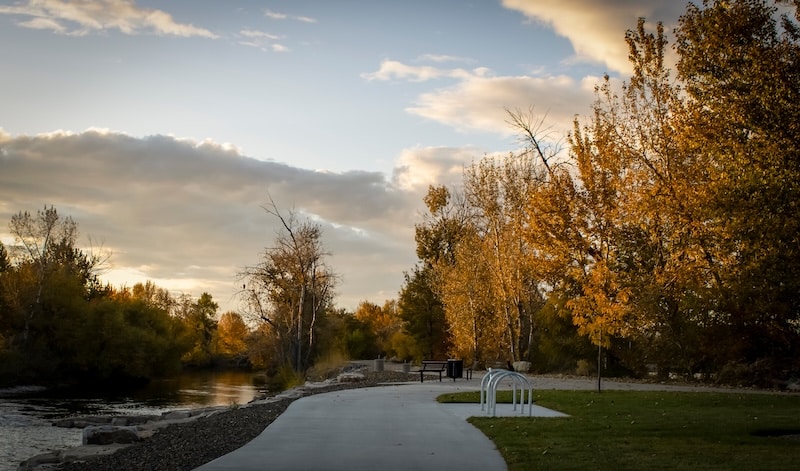
The Boise Bench contains many beautiful established neighborhoods with mature landscaping, larger lots, and homes that have stood the test of time. However, many of these homes were built decades ago, and some still contain portions of their original plumbing systems.
As these systems age, homeowners may encounter issues such as:
- Aging galvanized water lines
- Deteriorating sewer pipes
- Tree root intrusion
- Reduced water pressure
- Corrosion-related leaks
Galvanized steel pipes, in particular, were widely used for many years. Although they were considered durable at the time, corrosion gradually develops inside the pipe walls. Consequently, mineral buildup can restrict water flow and reduce pressure throughout the home.
In many Bench neighborhoods, plumbing upgrades eventually become necessary simply because the original systems have reached the end of their useful life.
The North End’s Mature Trees Can Affect Sewer Lines

The North End remains one of Boise’s most desirable historic neighborhoods. Its character, charm, and mature tree canopy attract homeowners who appreciate established communities. However, those beautiful trees sometimes create challenges underground.
Tree roots naturally seek moisture. As a result, small cracks, loose joints, or aging sewer connections can attract root growth over time. Once roots enter a sewer line, they may continue expanding inside the pipe, restricting flow and increasing the likelihood of backups. Initially, homeowners may notice only occasional slow drains. Over time, however, root intrusion can become more severe and lead to recurring sewer problems.
Because many North End homes were built long before modern sewer materials became standard, sewer camera inspections often provide valuable information about the condition of underground piping.
Garden City’s Older Sewer Systems Can Reveal Their Age
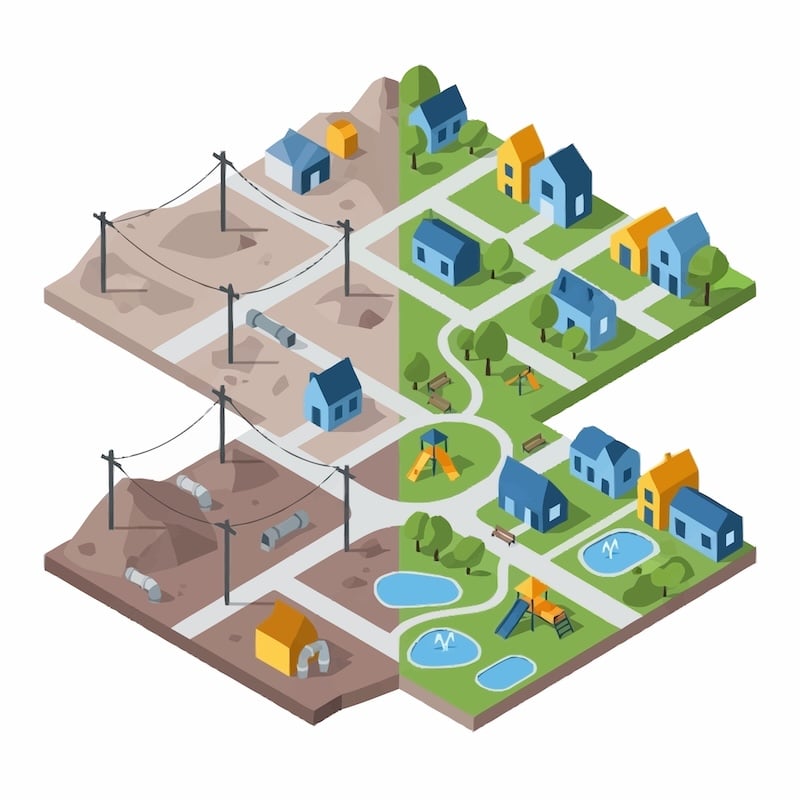
Many homes and commercial properties throughout Garden City were constructed during periods when different sewer materials were commonly used than those installed today. One material that occasionally surfaces in discussions about older sewer systems is Orangeburg pipe.
Orangeburg sewer pipe was manufactured from layers of wood pulp and asphalt-based materials. While it was considered innovative and economical at the time, it was never intended to last indefinitely.
As decades pass, Orangeburg pipe can soften, deform, collapse, or become susceptible to root intrusion. Consequently, properties with original Orangeburg sewer lines may eventually experience recurring drainage problems, backups, or structural pipe failures. Because these issues occur underground, many property owners remain unaware of the condition until symptoms begin appearing inside the home.
Older Meridian Neighborhoods Face Their Own Plumbing Patterns
Although Meridian is often associated with newer development, many established neighborhoods were built during periods of rapid growth several decades ago. As those communities mature, certain plumbing trends begin emerging.
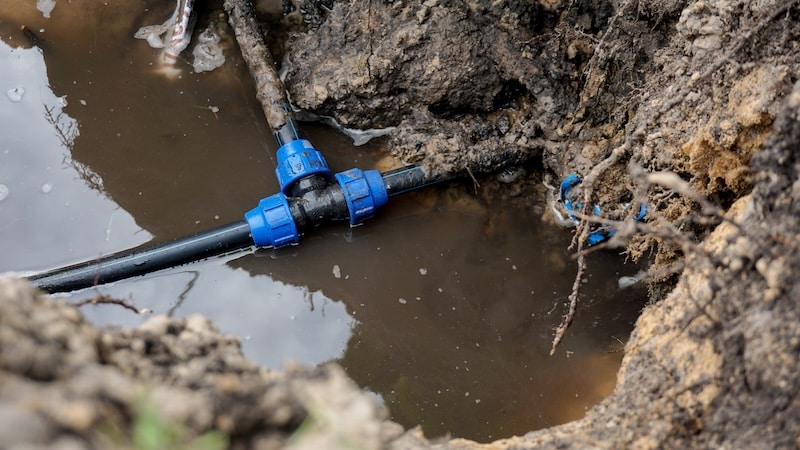
In some areas, homeowners encounter aging water service lines. In others, sewer systems may begin showing signs of wear as materials reach advanced ages. Additionally, irrigation practices and soil settlement can influence how underground plumbing performs over time.
What makes these situations particularly challenging is that problems often develop gradually. A slight pipe separation or minor shift in alignment may not cause noticeable symptoms immediately. However, as years pass, those small changes can evolve into larger drainage concerns.
How Shifting Soil Affects Underground Plumbing
Many homeowners are surprised to learn that soil movement can influence plumbing performance. Although Boise-area homes are not generally associated with dramatic geological activity, gradual soil movement occurs naturally over time. Seasonal moisture changes, irrigation practices, landscaping modifications, and long-term settlement can all contribute to subtle shifts beneath the ground.
When soil moves, underground pipes may experience stress. Over time, this can contribute to:
- Pipe separations
- Joint failures
- Misaligned sewer lines
- Low spots that collect debris
- Increased root intrusion opportunities
Because these changes often occur slowly, homeowners may not notice symptoms until drainage problems become more pronounced.

Irrigation Can Play a Bigger Role Than People Expect
The Treasure Valley’s extensive irrigation systems help maintain beautiful lawns and landscapes throughout the region. However, irrigation can also influence soil conditions surrounding underground plumbing.
Repeated wetting and drying cycles may contribute to gradual soil movement in certain situations. Additionally, excessive moisture can encourage root growth around sewer lines and underground utilities. This does not mean homeowners should avoid irrigation. Rather, it highlights how water management and underground infrastructure are often more connected than people realize.
When evaluating recurring sewer or drainage issues, irrigation patterns sometimes become one piece of the overall puzzle.
Why Sewer Camera Inspections Are So Valuable in Older Neighborhoods

One of the biggest challenges with underground plumbing is that problems remain hidden until symptoms appear. A sewer line may have root intrusion, pipe deterioration, settling, or partial blockages for years before a major backup occurs. Consequently, guessing about the cause of recurring drain issues can be frustrating and expensive. Sewer camera inspections allow plumbers to see exactly what is happening inside the line.
These inspections can identify:
- Root intrusion
- Pipe damage
- Orangeburg deterioration
- Bellies in sewer lines
- Pipe separations
- Corrosion
- Blockages
Instead of relying on assumptions, homeowners gain a clear picture of the condition of their plumbing system.
Knowing Your Neighborhood’s History Can Help Protect Your Home
One of the advantages of working with an experienced local plumber is familiarity with the area’s housing stock and infrastructure. Over the years, certain patterns become recognizable. Homes built during specific periods often share similar materials, construction practices, and maintenance concerns. As a result, understanding the history of a neighborhood can provide valuable clues when diagnosing plumbing problems.
Whether you live on the Boise Bench, in the North End, throughout Garden City, or in one of Meridian’s older communities, recognizing these common plumbing patterns can help you stay ahead of costly repairs. More importantly, proactive inspections and maintenance often allow homeowners to address small issues before they become major disruptions.
About Viking Plumbing in Boise, Idaho

Viking Plumbing has proudly served Boise, Meridian, Eagle, Garden City, Kuna, Star, and the surrounding Treasure Valley for more than 35 years. Specializing in residential and commercial plumbing, sewer line repair, sewer camera inspections, repiping, water heater installation, leak detection, gas lines, and drain services, the company combines decades of experience with a deep understanding of local plumbing systems and infrastructure. Whether you own a historic home in the North End or a family home on the Boise Bench, Viking Plumbing provides expert solutions tailored to the unique needs of Treasure Valley properties.