


Why Your House Suddenly Starts Smelling Like Sewer After It Gets Hot Outside
Few household odors are as alarming as the smell of sewer smell inside your home. What makes the situation even more confusing is that many homeowners notice the odor appearing seemingly out of nowhere. Everything may have smelled perfectly normal throughout the winter and spring. Then, an unpleasant sewer smell may develop once summer temperatures arrive. In many cases, homeowners assume there must be a broken sewer pipe somewhere beneath the property. That is certainly possible in some situations. However, there are actually several reasons sewer odors tend to become more noticeable during periods of hot weather.
At Viking Plumbing Boise, we receive calls every year from homeowners throughout the Treasure Valley who are dealing with a mysterious sewer smell that seems to appear only when temperatures climb. The good news is that these smells often have an identifiable cause. Understanding how heat affects plumbing systems can help homeowners recognize potential warning signs and determine when it may be time for a professional inspection.
Hot Weather Changes How Plumbing Systems Behave: Sewer Smell

People often think of plumbing as a static system that operates the same way year-round. In reality, temperature changes can affect everything from air movement inside plumbing vents. Furthermore, it affects the way water evaporates from drain traps. Boise temperatures climb into the summer months. Thus, small issues that may have gone unnoticed during cooler weather often become much easier to detect.
Heat can also intensify odors that were already present in very small amounts. A plumbing system that is functioning properly is designed to keep sewer gases safely contained within pipes and vented above the roofline. However, when a component of that system is not working as intended, warmer temperatures may make those odors more noticeable inside the home. In some cases, the problem may be relatively minor. In others, the smell may be signaling a larger issue that deserves attention before it worsens.
Sewer Smell: Dry Drain Traps Are One of the Most Common Culprits

One of the simplest explanations for summertime sewer odors involves a plumbing component that most homeowners never think about: the drain trap. Every sink, shower, bathtub, floor drain, and laundry drain contains a curved section of pipe designed to hold water. This water acts as a barrier that prevents sewer gases from traveling back into the home.
When temperatures rise and humidity drops, water inside rarely used drains can evaporate more quickly. Guest bathrooms, basement floor drains, utility sinks, and infrequently used showers are particularly susceptible to this problem. Once enough water evaporates, the protective seal disappears, allowing sewer odors to enter the living space.
Because the solution is often as simple as running water into the affected drain, this is one of the first things homeowners should investigate when warm-weather odors appear. However, if the smell persists after replenishing the trap, additional plumbing issues may be involved.
Venting Problems Often Become More Noticeable During Summer
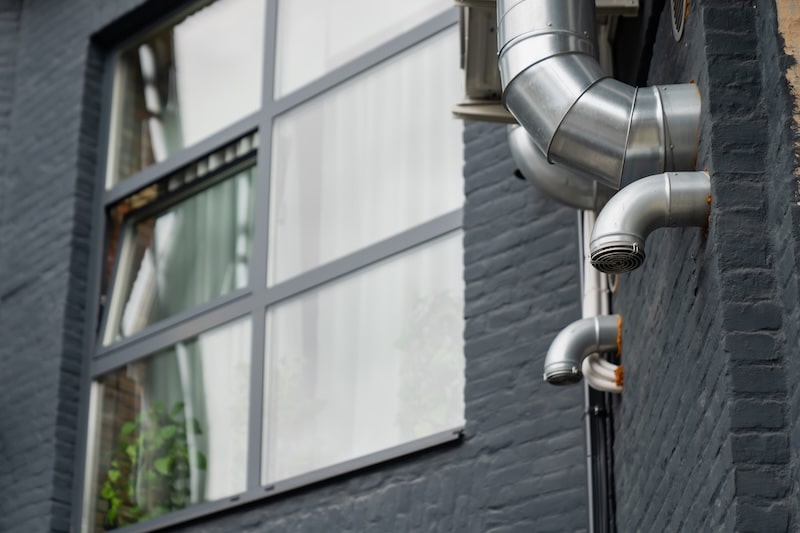
A home’s plumbing vent system performs a critical but often overlooked function. These vents allow air to enter the drainage system, help maintain proper pressure, and provide a pathway for sewer gases to exit safely above the roof. When vents become obstructed or fail to function properly, odors may begin appearing inside the home rather than outside where they belong.
Summer conditions can sometimes make venting problems more obvious. Increased temperatures may create changes in air pressure and airflow that affect how gases move through the plumbing system. In addition, debris, bird nests, leaves, or other obstructions can partially block vent pipes and interfere with proper performance.
Because plumbing vents are typically located on the roof, diagnosing these issues can be challenging without professional equipment and experience. Nevertheless, venting problems are a common cause of recurring sewer odors, especially when the smell appears throughout multiple areas of the home.
Expansion and Movement Can Affect Plumbing Components in Treating Sewer Smell
Heat causes materials to expand, and plumbing systems are no exception. During periods of extreme summer heat, pipes, seals, fittings, and other plumbing components may experience slight movement as temperatures fluctuate throughout the day. While properly installed systems are designed to accommodate normal expansion and contraction, aging plumbing systems may occasionally reveal weaknesses when subjected to repeated temperature changes.
In some situations, small gaps or compromised seals may allow sewer gases to escape into crawlspaces, wall cavities, or utility areas. Although these openings may not be large enough to create obvious leaks, they can sometimes contribute to unpleasant odors that seem to appear only during hotter months. This is one reason sewer smells that coincide with summer heat should not automatically be dismissed as temporary annoyances.
Sewer Smell: Biofilm Can Create Surprising Odors

Another potential source of foul smells involves biofilm buildup inside drains. Biofilm is a naturally occurring layer of organic material that can develop along the interior surfaces of drainpipes. Kitchen sinks, bathroom drains, and shower drains are particularly prone to this buildup because they regularly collect soap residue, oils, food particles, hair, and other debris.
During warmer weather, bacterial activity within biofilm may increase, sometimes producing odors that homeowners mistake for sewer gas. In many cases, the smell is strongest near a particular sink, shower, or drain rather than throughout the entire house. Thorough drain cleaning may help address these odors, especially when buildup has been accumulating for an extended period.
Because the smell can closely resemble sewer gas, distinguishing between biofilm odors and actual sewer system issues sometimes requires a professional evaluation.
Irrigation Season Can Reveal Hidden Problems. So can sewer Smell.
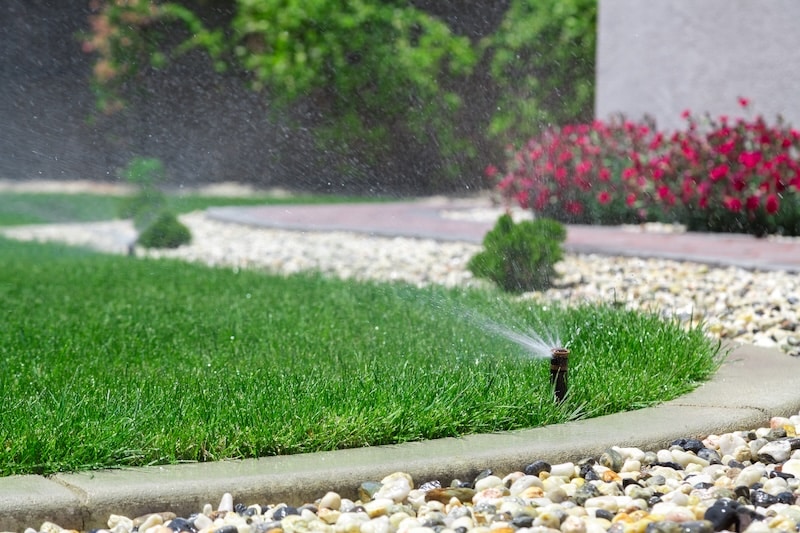
Summer in the Treasure Valley also means irrigation season. Increased outdoor water usage can sometimes influence how sewer odors behave around a property. Saturated soil conditions, excessive irrigation near sewer lines, or changes in groundwater movement may occasionally contribute to odor concerns.
For example, if a sewer line already has minor defects, heavy irrigation may create conditions that make those problems more noticeable. Likewise, water collecting near foundations or utility penetrations may contribute to odors finding pathways into crawlspaces or lower levels of the home.
Although irrigation is not usually the direct cause of sewer odors, it can sometimes expose existing plumbing issues that were previously difficult to detect.
Crawlspaces Often Hide the Source of Sewer Smell
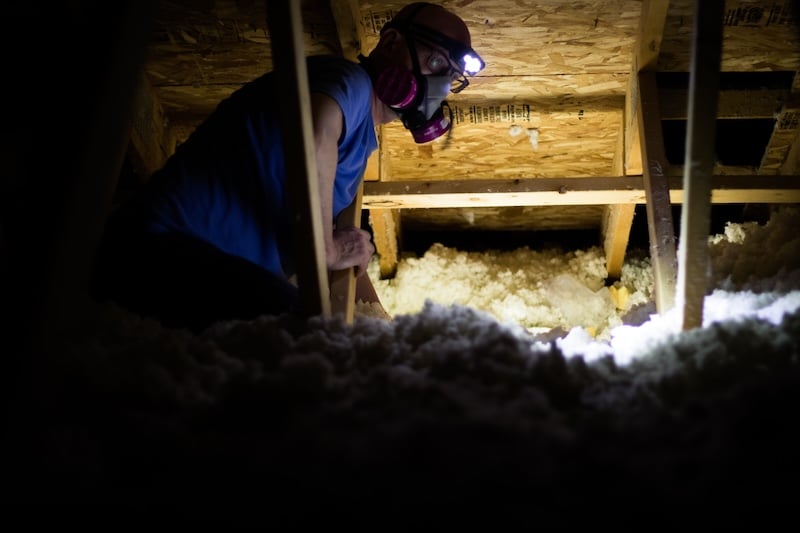
Many homeowners focus their attention on bathrooms and drains when a sewer smell appears. However, the source may actually be located beneath the home. Crawlspaces frequently contain drain lines, vent connections, cleanouts, and other plumbing components that are hidden from everyday view. If a small leak, loose fitting, damaged vent connection, or compromised seal develops in one of these areas, odors may accumulate beneath the home before eventually making their way indoors.
Summer temperatures can intensify these smells, particularly when warm air rises through gaps around plumbing penetrations, utility openings, or flooring systems. Because crawlspaces are rarely inspected by homeowners, problems can sometimes persist for months before they are discovered.
A professional inspection often helps determine whether the odor is originating from inside the home, beneath the structure, or somewhere else within the plumbing system.
When Should You Call a Plumber?
Occasional odors from an infrequently used drain may be resolved by simply restoring water to the trap. However, recurring sewer smells, odors that appear in multiple rooms, or smells that worsen during hot weather typically deserve further investigation. Plumbing systems are designed to keep sewer gases safely separated from living spaces, so persistent odors often indicate that something within the system is not functioning properly.
While some causes are relatively simple to address, others may involve venting issues, damaged drain lines, sewer line concerns, crawlspace problems, or hidden plumbing defects. Identifying the true source is often the most important step toward solving the problem permanently.
Understanding What Summer Sewer Smell May Be Telling You
When sewer smells appear after temperatures rise, the heat itself is rarely the entire problem. More often, warmer weather is exposing an underlying condition that was already present within the plumbing system. Dry traps, venting issues, biofilm buildup, irrigation-related conditions, crawlspace concerns, and minor plumbing defects can all become more noticeable during Boise’s hottest months.
Fortunately, many of these issues can be identified and corrected before they develop into larger problems. Understanding how seasonal conditions affect your plumbing system is one more way homeowners can protect their property, maintain indoor air quality, and avoid more significant repairs down the road.
About Viking Plumbing Boise in Boise, Idaho
Viking Plumbing Boise has been serving homeowners and businesses throughout Boise, Meridian, Eagle, Nampa, Kuna, Star, Middleton, and the surrounding Treasure Valley for more than 35 years. Our experienced team provides residential and commercial plumbing services including drain cleaning, sewer line repair, camera inspections, repiping, water heater installation, gas line services, leak detection, fixture replacement, and emergency plumbing repairs. Whether you are dealing with mysterious sewer odors, aging plumbing infrastructure, or everyday plumbing concerns, Viking Plumbing Boise is committed to delivering honest recommendations and reliable workmanship.