
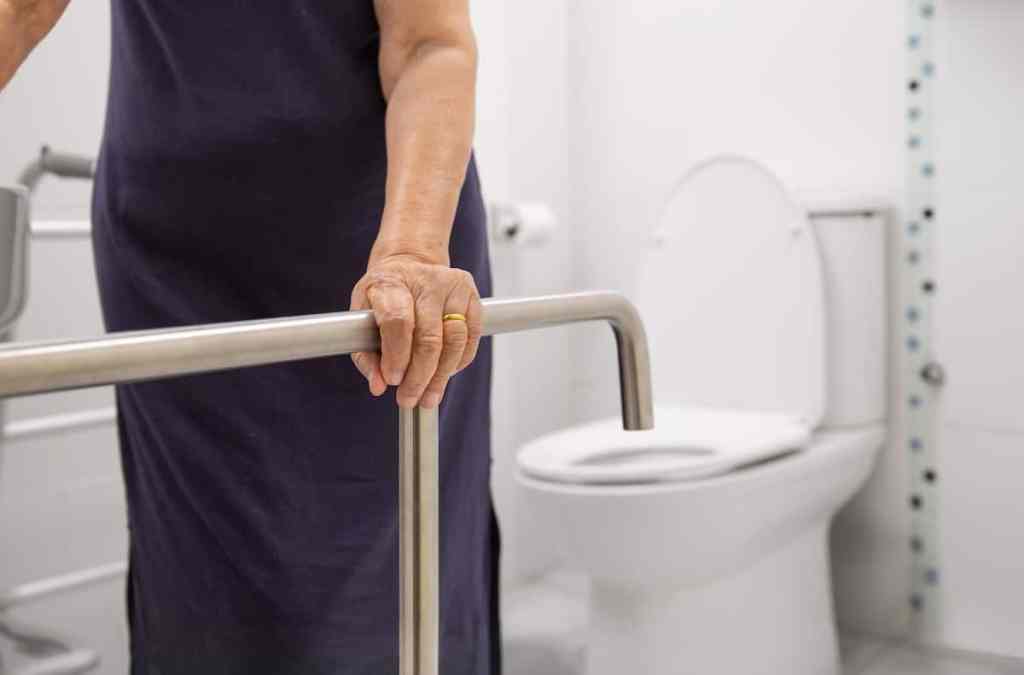
Aging-in-Place Safety Upgrades: How Smart Plumbing Design Supports Long-Term Independence

Most conversations around aging in place focus on mobility—ramps, wider doorways, and floor transitions. Plumbing plays an equally important role, especially in the areas of the home where water, heat, and hard surfaces come together.
Bathrooms continue to rank as the most common location for in-home injuries among older adults. Slippery surfaces, awkward layouts, and unpredictable water temperatures create daily risks that often go unaddressed until something happens. Thoughtful plumbing upgrades change that dynamic. Instead of reacting to problems, homeowners can create a safer, more predictable environment that supports independence for years to come.
Why Standard Bathrooms Fall Short Over Time for Aging in Place
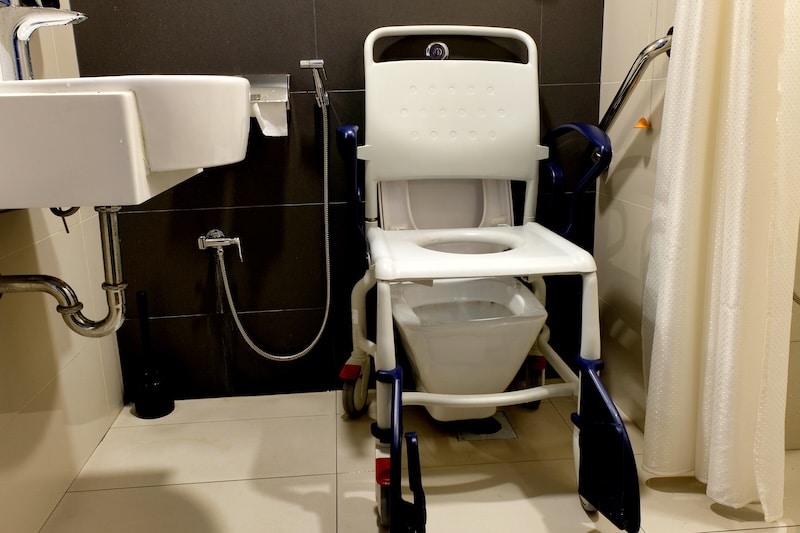
Traditional bathroom design prioritizes space efficiency and aesthetics—not long-term usability. As needs change, those design choices can create challenges.
Common issues include:
- Step-over tub walls that require balance and flexibility
- Fixtures placed too low or too high for comfortable use
- Limited support when transitioning in and out of wet areas
- Inconsistent water temperature control
These aren’t flaws in construction—they simply reflect a design that didn’t account for changing mobility needs. Upgrading plumbing fixtures and layout creates a safer, more functional space without requiring a full home remodel.
Aging in Place: Designing for Stability, Not Just Accessibility
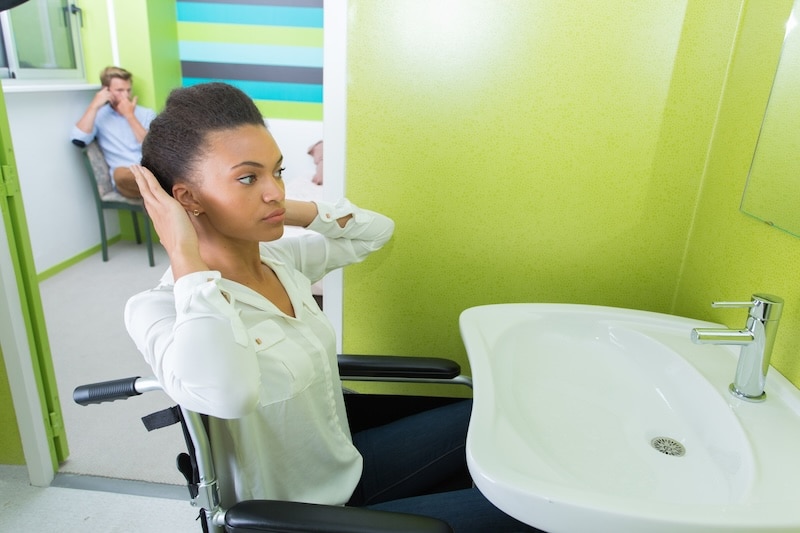
Many homeowners think of accessibility upgrades as clinical or institutional. Modern plumbing solutions take a different approach. Today’s aging-in-place upgrades focus on stability and ease of use while maintaining a residential look and feel.
Strategic improvements include:
- Reinforced grab bar installation anchored into framing
- Optimized fixture placement for natural reach and movement
- Slip-resistant shower bases paired with proper drainage
- Handheld shower heads with adjustable height settings
These upgrades work together to reduce strain, improve balance, and create a more controlled environment in daily routines.
Walk-In Tubs and Low-Threshold Showers: A Practical Shift
One of the most impactful changes involves how homeowners enter and exit bathing areas. Traditional tubs require stepping over a high edge—one of the most common sources of slips and falls. Walk-in tubs and low-threshold showers eliminate that risk.
Benefits include:
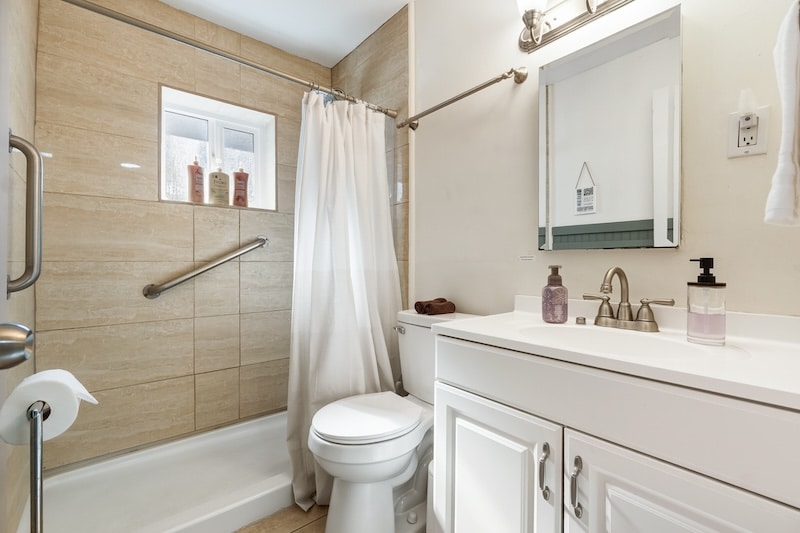
- Easy entry without lifting legs over high barriers
- Built-in seating for added comfort and safety
- Improved control during bathing routines
- Reduced reliance on assistance from others
For many homeowners, this single upgrade makes the difference between staying in their home and needing alternative living arrangements.
Grab Bars Done Right: Strength and Placement Matter
Shower and tub grab bars offer one of the simplest and most effective safety upgrades—but only when installed correctly.
Improper installation can lead to:
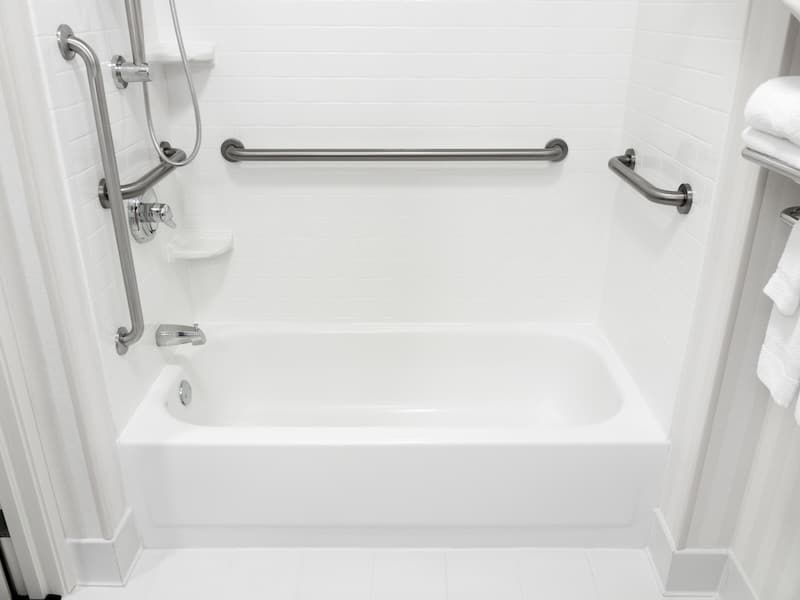
- Bars pulling loose under weight
- Placement that doesn’t align with natural movement
- Limited usefulness during critical moments
Professional installation ensures:
- Secure anchoring into wall framing
- Placement based on how the space actually gets used
- Integration with existing fixtures and layout
Well-placed grab bars provide stability exactly when and where it’s needed most.
Scald Protection: The Hidden Risk in Every Bathroom for Aging in Place
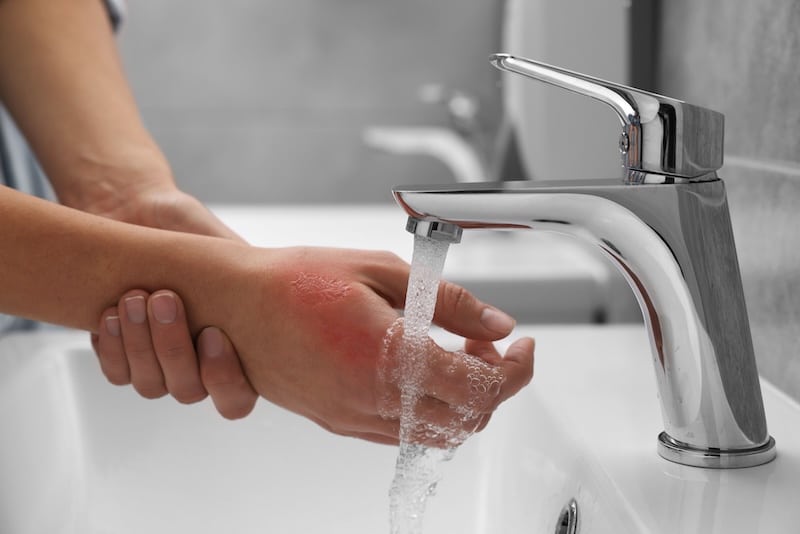
Hot water can cause serious injuries in seconds, especially for individuals with slower reaction times or reduced sensitivity to temperature changes.
- Pressure fluctuations—such as someone flushing a toilet or running a faucet elsewhere—can cause sudden spikes in water temperature.
- Pressure-balanced valves and thermostatic mixing valves solve this problem by:
- Maintaining consistent water temperature
- Preventing sudden surges of hot water
- Allowing precise temperature control at the fixture
These upgrades work behind the scenes, but they play a critical role in daily safety.
Planning Ahead for Aging in Place vs. Reacting Later

Many homeowners wait until a fall or injury occurs before considering safety upgrades. By that point, urgency often drives rushed decisions. Taking a proactive approach allows for:
- Thoughtful design that fits the home’s layout
- Better integration with existing plumbing systems
- Reduced stress during installation
- Greater long-term comfort and usability
Aging-in-place upgrades don’t require a complete overhaul. Strategic improvements can significantly enhance safety while preserving the look and feel of the home.
Boise Homes and the Importance of Local Expertise
Homes in Boise and across the Treasure Valley vary widely in age, layout, and plumbing configuration. What works in a newer home may not translate directly to an older property.
Local experience matters when evaluating:
- Existing plumbing infrastructure
- Space limitations and layout challenges
- Water pressure and temperature control systems
- Code requirements for safety upgrades
Working with a Boise plumber who understands these factors ensures that upgrades perform reliably and meet the specific needs of the home.

Independence Starts with the Right Environment
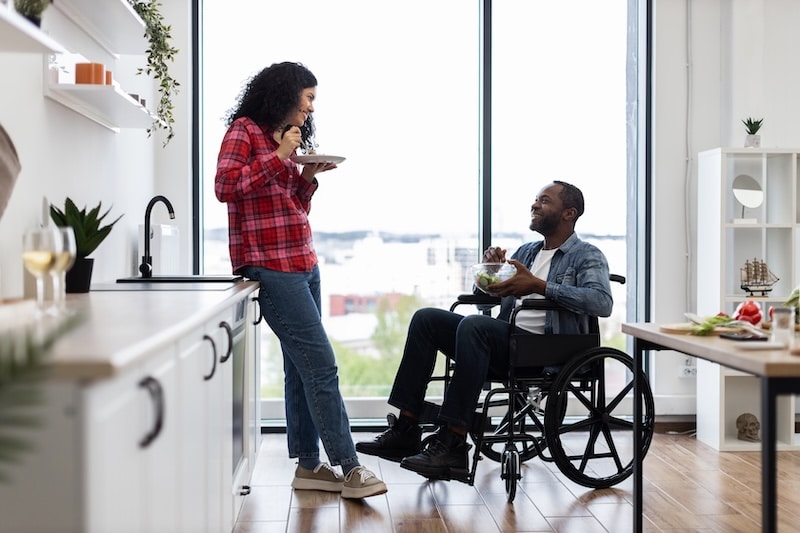
Aging in place isn’t just about staying in a familiar home—it’s about maintaining independence, confidence, and quality of life. When plumbing systems support safe, predictable daily routines, homeowners gain:
- Greater confidence moving through their space
- Reduced reliance on outside assistance
- Lower risk of injury in high-use areas
- Long-term comfort in their own home
These benefits extend beyond convenience. They directly impact how long someone can safely remain in their home.
Small Changes, Lasting Impact
Not every upgrade requires a major renovation. Even targeted improvements can make a meaningful difference.
Consider starting with:
- Installing properly anchored grab bars
- Upgrading to a handheld shower system
- Adding pressure-balanced valves for temperature control
- Evaluating entry points to tubs and showers
Each step builds toward a safer, more supportive environment. If you’re thinking about long-term comfort and safety, now is the time to explore your options. Viking Plumbing can help you evaluate your current setup and recommend practical upgrades that support independence without sacrificing style or functionality.
About Viking Plumbing In Boise, Idaho
Viking Plumbing is your trusted, full-service plumbing company proudly serving Boise, Meridian, and the entire Treasure Valley. Our experienced plumbers fix toilets, repair leaks, clear drains, replace water heaters, and solve complex plumbing problems with skill and integrity. When you need reliable plumbing in Idaho, our team stands ready to help. Reach out today for fast service, transparent communication, and long-lasting solutions.