
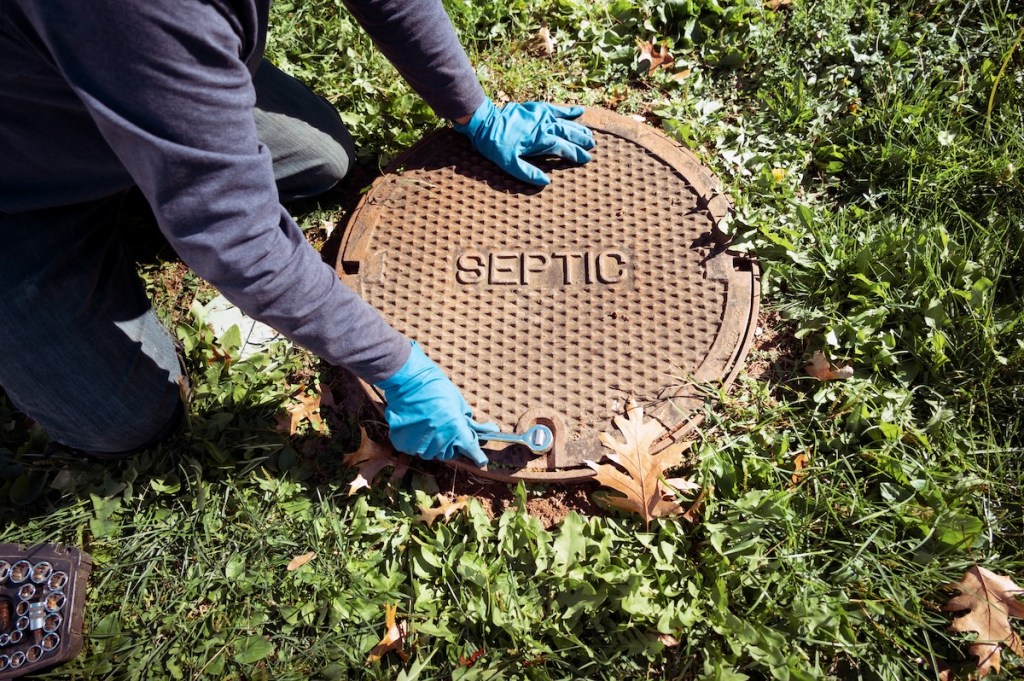

Living outside Boise city limits offers plenty of perks — wide-open space, quiet surroundings, and the independence that comes with rural life. But that independence also means taking responsibility for systems that city utilities usually handle, including your home’s septic system. For homeowners in areas like Kuna, Star, Middleton, and the Boise foothills, proper septic care is essential to keeping your plumbing running smoothly and your property safe from costly damage.
While septic systems usually run quietly in the background, they require periodic inspection, maintenance, and occasional repair to function properly. Understanding how your system works — and what warning signs to watch for — can save you from unexpected headaches down the road.
How a Septic System Works
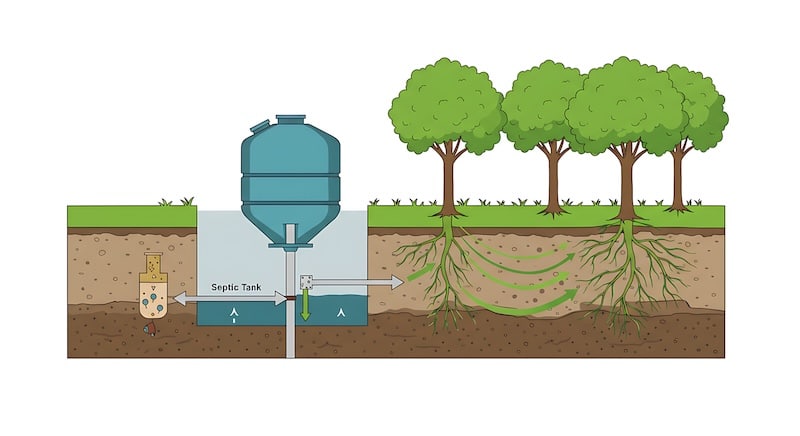
A septic system manages all wastewater that leaves your home — from toilets, sinks, showers, and laundry drains. It typically includes two main parts: the septic tank and the drainfield (or leach field). Wastewater flows from the home into the tank, where solids settle to the bottom as sludge, grease and oils float to the top as scum, and partially clarified water flows out into the drainfield.
The drainfield disperses the liquid through gravel and soil, where bacteria naturally filter contaminants before the water returns to the groundwater table. When everything works correctly, it’s a self-contained, efficient process. But when maintenance gets overlooked, trouble usually isn’t far behind.
Routine Septic System Maintenance and Inspection
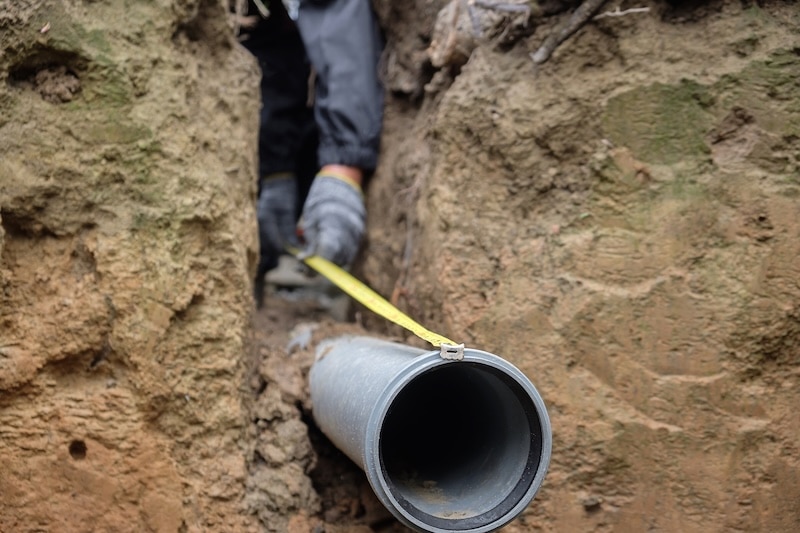
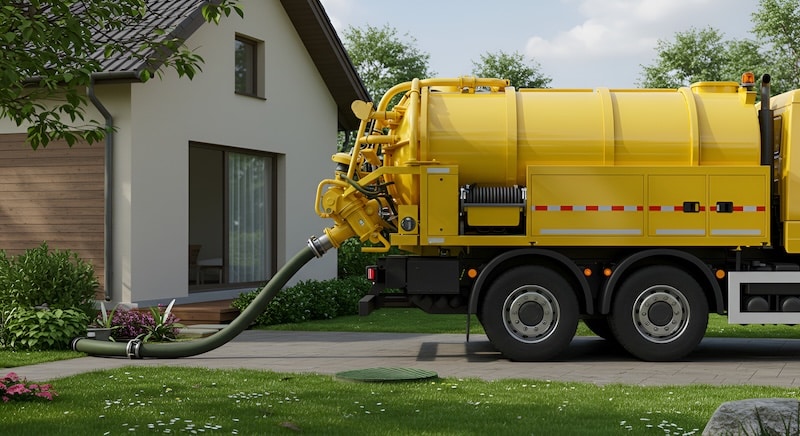
Septic systems require regular care to stay healthy. For most Boise-area properties, we usually recommend professional inspection every two to three years and tank pumping every three to five years, depending on household size and water usage.
During an inspection, a licensed plumber checks tank levels, inspects baffles and filters, and verifies that wastewater is flowing properly through the system. This process often reveals early warning signs such as excessive buildup, saturated drainfield areas, or damage from tree roots.
If your property sits on hilly terrain or experiences high groundwater during spring thaw, more frequent inspections might be necessary. The Treasure Valley’s mix of clay and sandy soils can also affect how well a drainfield absorbs water — making professional evaluation especially important for rural properties.
What Not to Flush or Drain in a Septic System
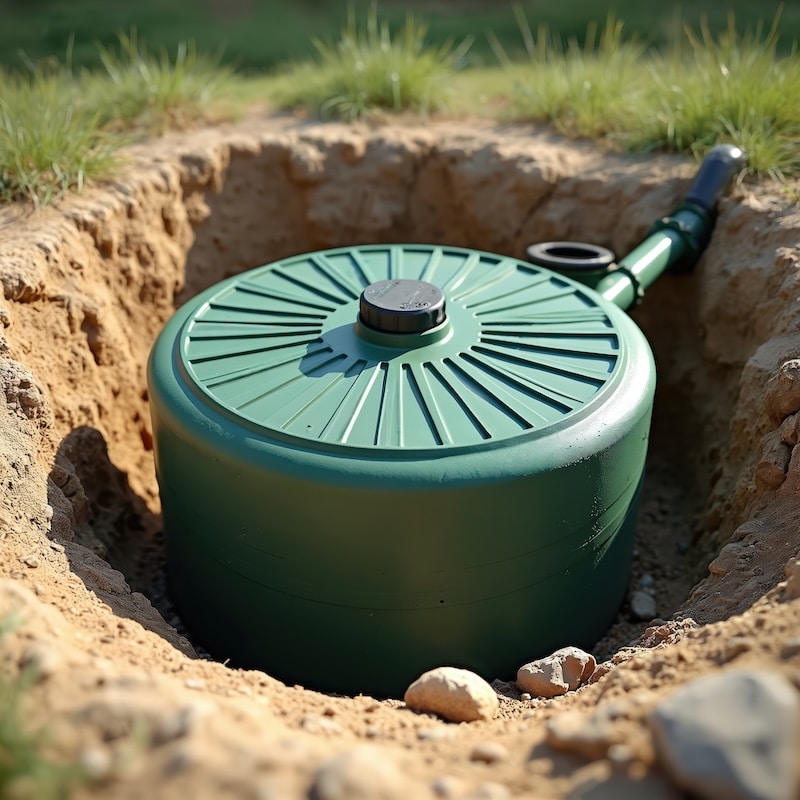
Many septic problems start with what goes down the pipes. Anything that doesn’t naturally decompose can disrupt the bacteria balance inside the tank or clog lines before reaching the drainfield. Homeowners should never flush or pour:
- Paper towels, wipes (even “flushable” ones), or feminine hygiene products
- Grease, cooking oil, or fat
- Coffee grounds or food scraps
- Harsh chemical cleaners, bleach, or paint solvents
These items don’t just cause clogs — they kill the beneficial bacteria that break down waste. Once that bacterial ecosystem gets disrupted, solids accumulate faster and reduce tank efficiency.
We often remind customers that your septic system works like a living organism. Treat it gently, and it’ll serve you reliably for decades.
Warning Signs of Septic Trouble
Even with proper care, septic systems occasionally show signs of stress. Pay attention to these early red flags:
- Slow drains or gurgling pipes throughout the house
- Sewage odors near drains, the yard, or the tank location
- Standing water or spongy grass over the drainfield
- Backups in lower-level fixtures, such as basement toilets or showers
- Bright green patches of grass near the leach field (a sign of nutrient-rich water leaking underground)
If you notice one or more of these issues, call a plumber immediately. A fast response usually prevents larger, more expensive repairs like drainfield replacement or soil remediation.
Protecting the Drainfield
The drainfield is one of the most expensive parts of your septic system — and also one of the most vulnerable. To protect it, avoid these common mistakes:
- Don’t park vehicles or heavy equipment on the field; soil compaction restricts drainage.
- Keep trees and shrubs at least 25 feet away to prevent root intrusion.
- Divert roof gutters, sump pump discharges, and landscape drainage away from the septic area.
- Avoid excessive water use; spreading out laundry loads and fixing leaky toilets reduces hydraulic stress on the system.
Homeowners often underestimate how much water their household uses in a single day. Even small leaks can push a septic system past its design capacity and lead to premature failure.
Seasonal and Environmental Considerations

In the Boise foothills and surrounding rural areas, septic systems face seasonal challenges. During the fall and winter, ground freezing can make it harder for water to percolate through the drainfield, especially if grass cover has thinned. During spring, snowmelt and heavy rains may oversaturate the soil and reduce its ability to filter wastewater effectively.
We typically recommend keeping grass healthy and slightly longer over the drainfield to insulate against cold and reduce erosion. In areas with fluctuating groundwater levels, additional drainage or grading improvements might be necessary to prevent backups during wet months.
Viking Plumbing’s Role in Septic Care

At Viking Plumbing, we regularly work with homeowners throughout Boise and the surrounding rural areas who rely on septic systems. Our technicians usually perform visual inspections, identify early-stage issues like slow drains or saturated drainfields, and refer clients to trusted septic specialists when pumping or excavation becomes necessary.
We also help maintain interior plumbing systems that connect to septic tanks. That includes clearing clogged main lines, repairing slow drains, fixing toilets that leak continuously, and checking water pressure to avoid overwhelming the system. Preventive plumbing maintenance goes hand in hand with septic care — keeping water flow balanced protects both your home and your drainfield.
In some cases, we also assist new homeowners moving into properties with existing septic systems. We often perform plumbing inspections before purchase to help identify hidden issues, giving buyers confidence before closing on a rural property.
How to Extend the Life of Your Septic System

With consistent care, a well-built septic system can last 25 to 40 years or more. You can maximize longevity by following a few simple habits:
- Schedule routine inspections and pumping.
- Use septic-safe household cleaners and detergents.
- Limit water use during heavy weather periods.
- Keep accurate maintenance records for future reference.
- Call a professional as soon as you notice slow drains or unusual odors.
Those small habits not only prevent emergencies but also protect your property value. A healthy septic system is a major selling point for any rural Boise-area home.
Reliable Help for Rural Plumbing Needs

If your property lies beyond Boise’s city limits, septic system care isn’t optional — it’s essential. Routine maintenance ensures clean water, healthy soil, and reliable performance year-round. Whether you need a plumbing inspection, drain cleaning, or professional advice on septic system maintenance, Viking Plumbing’s team is ready to help.
We live and work in the Treasure Valley, so we understand the unique needs of homes in the surrounding foothills and rural areas. Call us for fast, professional service and the peace of mind that comes from knowing your plumbing and septic systems are in good hands.
About Viking Plumbing in Boise, Idaho
Viking Plumbing is a trusted, full-service plumbing company proudly serving Boise and communities across the Treasure Valley. Whether you need a skilled Boise plumber to fix toilets, clear drains, repair water heaters, or handle full re-pipes, our team is equipped to deliver prompt, professional service. As your go-to source for expert plumbing in Idaho, we offer dependable solutions for both residential and commercial properties. With a commitment to quality work and local integrity, Viking Plumbing is the name to call when you need reliable plumbing in Boise and throughout Southern Idaho.