Is Your Home Ready for a Whole-House Recirculation System? Hot Water Without the Wait
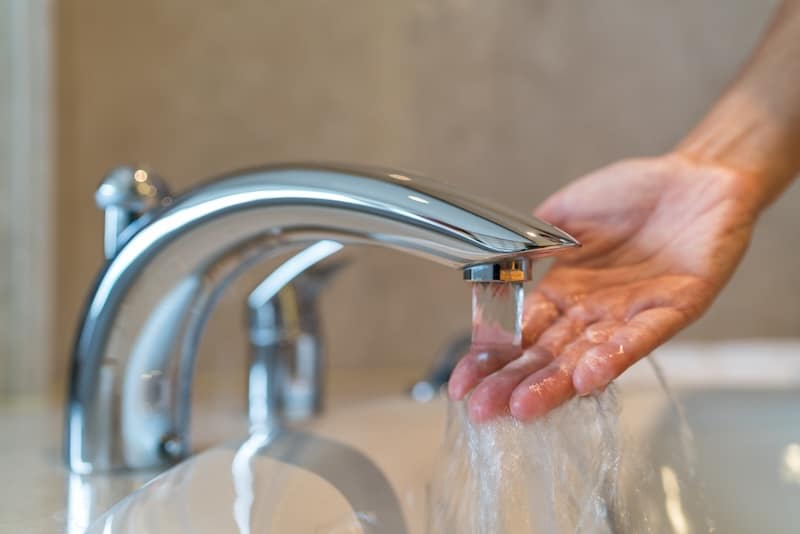
Waiting for hot water feels like a small inconvenience—until you add it up. Morning showers, kitchen sinks, laundry rooms, guest bathrooms, and basement fixtures all contribute to gallons of water waste and lost time every day. In many Boise homes, that wait stretches longer than homeowners expect.
Whole-house hot water recirculation systems promise a simple benefit: hot water on demand, without running the tap. But not every home supports this upgrade easily, and not every system works the same way. Before considering installation, it helps to understand how recirculation systems function, what plumbing layouts they require, and how they perform in Idaho homes.
What a Hot Water Recirculation System Actually Does
A recirculation system keeps hot water moving through your plumbing lines so it reaches fixtures quickly when you turn on the tap. Instead of waiting for cold water sitting in the pipes to flush out, the system brings hot water close to the fixture ahead of time.
The result reduces water waste, shortens wait times, and improves daily comfort—especially in homes where bathrooms or kitchens sit far from the water heater.
Two Main Types of Recirculation Systems
Not all recirculation systems operate the same way. The type that works best depends on your plumbing layout, usage patterns, and efficiency goals.
Dedicated return-line systems use an extra pipe that carries cooled water back to the water heater. This design offers the fastest response and highest efficiency. However, it typically works best in homes designed with this plumbing from the start or during major remodels.
Comfort-based or retrofit systems operate without a dedicated return line. These systems use existing cold water lines to move cooled water back to the heater when needed. They install more easily in existing homes and still deliver significant convenience benefits. Understanding which option fits your home prevents unnecessary expense and disappointment.
Pump Operation Makes a Big Difference
The pump drives the system, and how it runs affects energy use and performance.
Timer-based pumps operate on a schedule. Homeowners program them to circulate hot water during peak usage times, such as mornings and evenings. This approach limits energy use while still reducing wait times when it matters most.
On-demand pumps activate manually or through motion sensors. They circulate water only when needed, minimizing energy use even further. These systems work well in homes with predictable usage patterns or where homeowners prioritize efficiency.
Continuous-run systems circulate constantly, delivering instant hot water at all times. While convenient, this approach uses more energy and typically fits commercial or specialized residential applications rather than most Boise homes.
Plumbing Layout Determines Compatibility
Oftentimes, plumbing layout plays a critical role in whether a recirculation system works efficiently. Homes with long pipe runs, multiple stories, or remote bathrooms benefit the most from recirculation.
Older homes may require additional evaluation to ensure pipe materials and routing support system installation. Newer homes often accommodate retrofits more easily but still need proper assessment. A professional plumber evaluates distance from the water heater, pipe diameter, fixture placement, and system balance before recommending a solution.
Energy Efficiency Matters in Idaho Homes
Idaho homeowners care about efficiency—not just convenience. Cold groundwater temperatures and seasonal demand changes affect how recirculation systems perform.
Modern systems use insulated piping, smart controls, and efficient pumps to limit heat loss. When installed correctly, they reduce water waste without significantly increasing energy consumption.
In many cases, recirculation systems improve overall efficiency by eliminating long hot water draws that repeatedly trigger heater cycles.
Water Savings Add Up Quickly
Waiting for hot water wastes water every day. Over time, those gallons add up—especially in homes with multiple bathrooms or busy households.
Recirculation systems reduce water waste dramatically by delivering hot water faster. That benefit matters not only for utility costs but also for long-term resource conservation. In regions like the Treasure Valley, where water management remains important year-round, reducing unnecessary waste supports broader sustainability goals.
Common Misconceptions About Recirculation Systems
Some homeowners worry that recirculation systems increase energy bills significantly. In reality, modern systems focus on controlled operation rather than constant circulation.
Others assume installation requires major remodeling. While some homes benefit from dedicated return lines, many existing houses support retrofit systems with minimal disruption. Understanding these distinctions helps homeowners evaluate options realistically.
Maintenance and Longevity Considerations
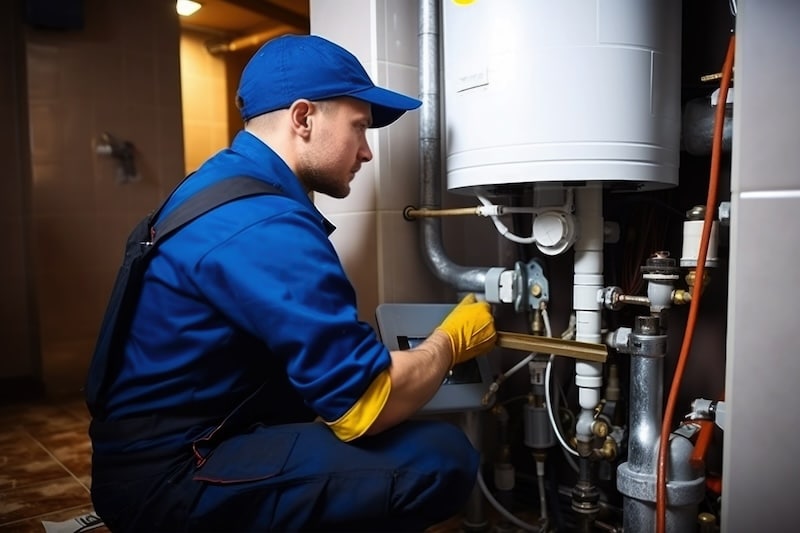
Like any mechanical system, recirculation pumps require proper installation and occasional maintenance. High-quality components and professional setup extend system life and prevent performance issues.
Routine plumbing inspections ensure the system continues operating efficiently and integrates well with the water heater and existing plumbing. A professional approach protects the investment and ensures long-term reliability.
Is Your Home a Good Candidate?
Homes with long waits for hot water, frequent usage, or multiple occupants often benefit the most from recirculation systems. However, not every house needs one.
A professional evaluation determines whether the convenience and efficiency gains justify installation. That assessment includes plumbing layout, water heater type, usage habits, and energy considerations. Making the right decision upfront avoids unnecessary upgrades and delivers results homeowners actually notice.
Comfort Without Compromise
Whole-house recirculation systems offer real convenience when installed thoughtfully. Hot water without the wait improves daily routines, reduces waste, and enhances overall comfort.
The key lies in choosing the right system for your home—not just installing technology for its own sake.
About Viking Plumbing in Boise, Idaho
Viking Plumbing is your trusted, full-service plumbing company proudly serving Boise, Meridian, and the entire Treasure Valley. Our experienced plumbers fix toilets, repair leaks, clear drains, replace water heaters, and solve complex plumbing problems with skill and integrity. When you need reliable plumbing in Idaho, our team stands ready to help. Reach out today for fast service, transparent communication, and long-lasting solutions.