
What Homeowners Need to Know Before Polybutylene Pipes Fail
Holiday Travel + Cold Weather = The Perfect Time to Ask What’s Behind Your Walls
Holiday travel and winter weather create the exact conditions where hidden plumbing issues show their age. And polybutylene pipes fail most often when nobody’s watching. When Idaho temperatures drop, water inside your home naturally expands and contracts. Pressure rises. Fittings tighten or loosen. Old piping systems experience stress they didn’t feel in the warmer months.
Many Boise homes built from the late 1970s through the mid-1990s contain polybutylene (PB) piping, a material known for sudden failure and catastrophic water damage. Most homeowners don’t know whether their home has PB pipes, and many don’t realize how winter conditions—and especially extended holiday travel—create the perfect storm for leaks, bursts, and rapid damage escalation.
At Viking Plumbing Boise, we help homeowners identify PB pipes, understand the risks, and plan responsible replacement strategies before problems erupt. This season offers the perfect reminder to take a closer look at the plumbing hidden behind your walls.
What Polybutylene Pipes Are—and Why They’re a Problem
Polybutylene was a flexible, inexpensive plastic piping material installed in millions of homes across the U.S. from the late ’70s through the mid ’90s. Builders loved it because it installed quickly and cost far less than copper. Unfortunately, the material didn’t hold up over time.
PB piping reacts chemically with the disinfectants used in water treatment systems—especially chlorine. That reaction causes the interior of the pipe to degrade, flake, and weaken. Even if the outside looks fine, the inside may resemble a brittle chalk surface.
Most PB piping fails because:
- Internal deterioration weakens the pipe walls
- Fittings crack under pressure changes
- Winter temperature swings expand and contract the plastic
- Chemical reactions accelerate breakdown
- Pipes rupture suddenly, often without warning
Why Winter Makes Polybutylene Piping More Likely to Fail in Idaho Homes
These failures rarely start as slow drips. PB pipes tend to burst under pressure, sending water into walls, floors, and ceilings before anyone notices—especially during holiday travel.
Idaho homes see significant winter temperature swings. Even when indoor heating stays consistent, crawlspaces, exterior walls, garages, and unconditioned basements experience far colder air.
These conditions impact Polybutylene piping directly:
1. Pressure spikes during freezing temperatures
Cold weather thickens water, increases pressure, and forces PB pipes to flex at joints and elbows. Older PB systems simply can’t tolerate that stress.
2. Holiday travel leaves homes unattended
If a pipe bursts while you’re out of town visiting family, water runs continuously until someone discovers the problem. A failure that would be manageable when you’re home becomes a full-scale disaster when hours or days pass unnoticed.
3. Heater cycling stresses pipes in unconditioned spaces
Idaho furnaces kick on and off frequently in December and January. Those fluctuations allow cold air pockets to settle around pipes hiding in crawlspaces or attics. PB piping handles these swings poorly.
4. Increased household water use exposes weaknesses
Between guests, showers, laundry, dishwashers, and cooking, winter water usage climbs. PB pipes with existing internal wear show symptoms sooner during heavy demand.
How to Tell If Your Idaho Home Has Polybutylene Pipes

These seasonal factors make December and January the ideal months to evaluate what kind of plumbing your home uses and whether PB piping plays a hidden role.
Homeowners can often identify PB piping visually—at least the sections that aren’t hidden behind walls.
PB piping usually appears:

- Grayish, bluish-gray, or occasionally black
- Flexible rather than rigid
- Marked with “PB2110,” the most common polybutylene designation
- Connected to copper or brass fittings
- Installed between 1978 and 1996
Common places to check include:
- Under sinks
- At water heater connections
- In crawlspaces
- Inside utility rooms
- Near shut-off valves
- Along unfinished basement walls
But many homes hide PB piping behind drywall, so a visible check isn’t always enough. Viking Plumbing’s inspection uncovers what you can’t see—because the most vulnerable PB sections often sit in the places you never access.
The Real Risks of PB Pipes in Boise Homes

- PB piping doesn’t fail the same way as copper or PEX.
- When copper corrodes, leaks usually start slowly.
When PEX has a problem, joints often show signs early. - When PB piping fails, it often fails catastrophically.
Typical PB failures include:
- Sudden pipe bursts with no warning
- Blowouts at elbows or fittings
- Gallons of water released in minutes
- Damage to flooring, drywall, electrical wiring, and insulation
- Many Idaho homeowners discover PB only after a major event, and by then, the repair cost far exceeds what proactive replacement would have cost.
- Winter heat cycles, cold snaps, and holiday travel amplify these risks dramatically.
Replacing Polybutylene Pipes: Your Best Long-Term Protection

Replacing PB piping strengthens your home and eliminates the unpredictability of aging plastic. Most homeowners choose PEX as a modern replacement because it handles temperature swings, pressure changes, and Idaho’s water chemistry with confidence.
Replacement offers:
- Increased home value
- Lower insurance risk
- Improved water pressure
- Long-term reliability
- Peace of mind during holiday travel
Partial repairs on PB systems rarely solve the root problem. When one section fails, more failures usually follow because the entire system deteriorates from the inside.
A whole-home re-pipe remains the most reliable solution—and winter is the perfect time to plan it.
Signs You Should Have Your PB Pipes Evaluated Now
If your home was built between 1978 and 1996, consider a plumbing inspection soon, especially before your next extended trip.
Look for:
- Discolored water
- Fluctuating water pressure
- Unexplained sounds from walls
- Fittings with visible corrosion
- Higher-than-normal water bills
- Prior leak history
- Gray tubing near your water heater or under sinks
If even one of these signs appears, a deeper inspection helps prevent damage before it happens.
Protect Your Home Before Winter Hits Hard
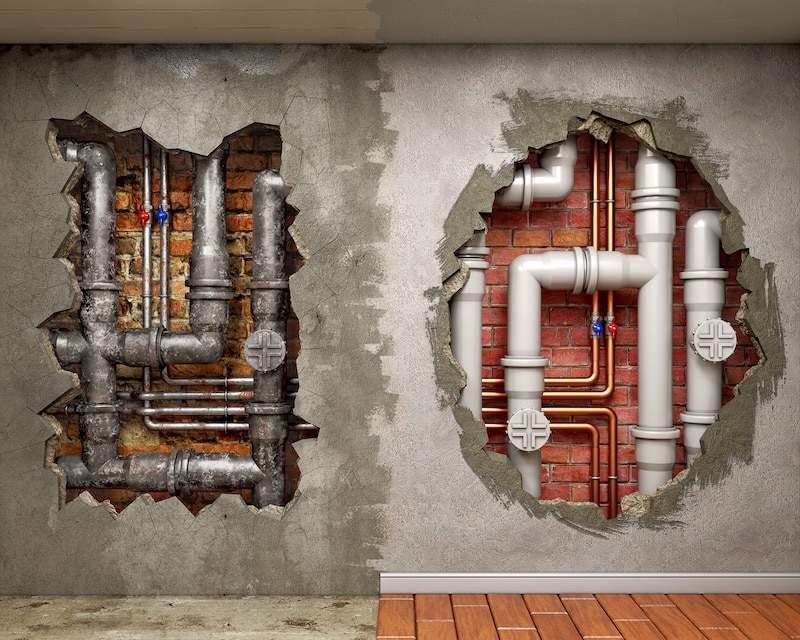
You don’t need to panic about PB piping—but you should stay proactive. Understanding your home’s plumbing materials gives you control. And when holiday travel or winter weather brings extra uncertainty, peace of mind becomes priceless.
If you’re unsure what type of pipe your home uses, Viking Plumbing Boise can help. We identify PB systems, evaluate risk levels, and outline replacement options clearly—because homeowners deserve straightforward guidance, not surprises behind their walls.
About Viking Plumbing in Boise, Idaho
Viking Plumbing is your trusted, full-service plumbing company proudly serving Boise, Meridian, and the entire Treasure Valley. Our experienced plumbers fix toilets, repair leaks, clear drains, replace water heaters, and solve complex plumbing problems with skill and integrity. When you need reliable plumbing in Idaho, our team stands ready to help. Reach out today for fast service, transparent communication, and long-lasting solutions.