

How Roof Vents Keep Your Drains Flowing Smoothly

When homeowners think about plumbing, they picture pipes, drains, and fixtures. Few give much thought to plumbing ventilation. Yet without proper venting, even the best plumbing system struggles to work correctly.
Plumbing vents play a quiet but critical role in keeping drains flowing smoothly, preventing sewer gas from entering the home, and protecting pipe integrity. When vents fail or become blocked, problems show up fast — often in confusing ways.
At Viking Plumbing Boise, we regularly help homeowners across Boise and the Treasure Valley resolve drain issues that trace back to vent problems rather than clogs inside the pipes themselves.
What Plumbing Vents Actually Do

Plumbing vents allow air to enter the drainage system. That airflow balances pressure inside the pipes so wastewater can move freely.
When water flows through a drain, it creates negative pressure behind it. Without a vent to equalize that pressure, the system fights itself. Drains slow down. Water pulls from nearby traps. Gurgling noises begin.
Proper ventilation allows:

- smooth, consistent drainage
- stable water levels in traps
- prevention of sewer gas entry
- reduced stress on drain piping
In short, vents keep your plumbing system breathing.
Why Roof Vents Matter
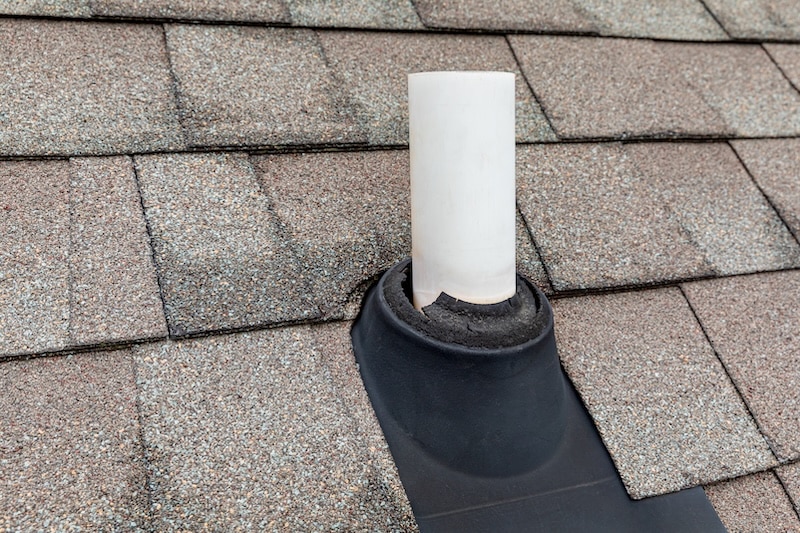
Most residential plumbing vents exit through the roof. These vertical pipes connect to drain lines below and release air above the home.
Roof vents:
- regulate pressure throughout the drainage system
- allow sewer gases to escape safely outside
- support proper trap function in sinks, tubs, and toilets
When roof vents remain open and clear, drains work quietly and efficiently. When something blocks them, symptoms spread quickly.
Common Signs of a Venting Problem

Vent issues often mimic drain clogs. That similarity leads many homeowners to treat the wrong problem.
Signs that point toward venting trouble include:
- gurgling sounds after flushing or draining
- slow drainage in multiple fixtures
- bubbling toilets
- sewer odors inside the home
- water disappearing from sink or floor drain traps
When several fixtures show symptoms at once, venting deserves close attention.
Blocked Vents: A Common and Overlooked Issue
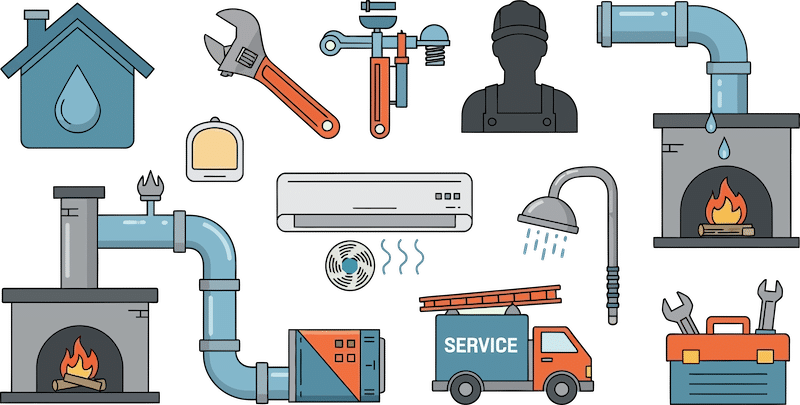
Roof vents face constant exposure to the elements. Over time, debris finds its way inside.
Common vent blockages include:
- leaves and twigs
- dirt and roofing debris
- nesting materials
Because vents sit out of sight, blockages often go unnoticed until drainage problems appear indoors.
Bird Nests and Small Animals
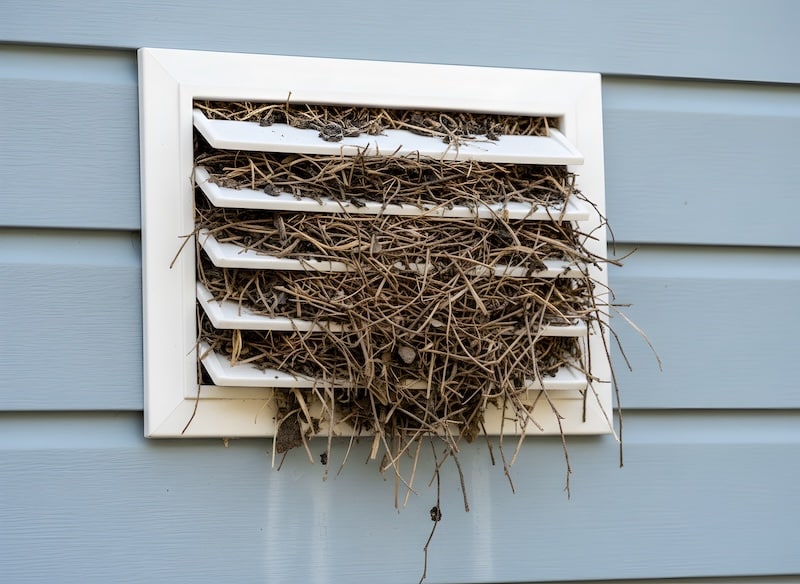
Most birds seek warm, sheltered spaces for nesting. Roof vents provide an inviting opening.
Bird nests can:
- block airflow completely
- collapse deeper into vent piping
- create recurring drainage issues
Small animals may also enter vents and become trapped, causing sudden and severe airflow restriction.
Frost Caps and Ice Blockages in Idaho Winters

Cold Boise winters introduce another risk: ice.
Warm, moist air rising through vents can condense and freeze near the roof opening. Over time, frost builds up and narrows the vent opening.
Ice-related vent problems often cause:
- sudden slow drainage during cold snaps
- gurgling fixtures in winter only
- temporary sewer gas odors
As temperatures fluctuate, vents may freeze and thaw repeatedly, creating inconsistent symptoms that confuse homeowners.
How Vent Blockages Affect Drains
When vents block airflow, water struggles to move through pipes efficiently.
Without adequate air:
- drains pull water from nearby traps
- toilets lose flushing power
- sinks drain unevenly
- wastewater movement slows
These pressure imbalances cause the gurgling and bubbling many homeowners notice first.
The Role of Traps and Sewer Gas Prevention
Every drain includes a trap — a curved section of pipe that holds water. That water barrier blocks sewer gases from entering the home.
Proper venting protects those traps. When vents fail:
- pressure pulls water out of traps
- sewer gases escape into living spaces
- odors appear unexpectedly
Sewer gas exposure creates discomfort and health concerns. Vent systems exist to prevent that risk.
Why DIY Fixes Rarely Solve Vent Problems

Homeowners often attempt quick fixes like plunging or chemical drain cleaners. These approaches don’t address airflow problems.
DIY efforts may:
- temporarily mask symptoms
- push debris deeper into pipes
- leave vent blockages untouched
Vent problems require roof-level inspection and system-wide evaluation. Professional plumbers use the right tools to identify and clear vent obstructions safely.
How Viking Plumbing Boise Diagnoses Vent Issues
At Viking Plumbing Boise, we evaluate venting as part of a complete drainage assessment. Our plumbers look beyond surface symptoms to find the real cause.
Diagnosis often includes:
- identifying patterns across fixtures
- inspecting roof vent openings
- checking trap function
- ruling out main line clogs
By confirming whether airflow causes the issue, we avoid unnecessary drain work and target the correct solution.
Why Vent Maintenance Matters Long-Term
Vent systems don’t require frequent service but ignoring them invites recurring problems.
Proper vent maintenance:
- keeps drains flowing efficiently
- protects traps and seals
- prevents sewer gas intrusion
- reduces unnecessary drain cleaning
Addressing vent issues early prevents repeated service calls and ongoing frustration.
When to Call a Plumber
Homeowners should contact a plumber when:
- multiple drains gurgle or drain slowly
- sewer odors appear indoors
- problems worsen during cold weather
- drain issues return after cleaning
These signs often indicate ventilation problems rather than simple clogs.
Plumbing Systems Work Best as a Whole
Drains, vents, and traps work together. Focusing on only one part often misses the real issue.
Understanding how ventilation supports drainage helps homeowners make informed decisions and avoid repeated problems.
When roof vents stay clear and functional, plumbing systems operate quietly, efficiently, and safely.
About Viking Plumbing in Boise, Idaho
Viking Plumbing is your trusted, full-service plumbing company proudly serving Boise, Meridian, and the entire Treasure Valley. Our experienced plumbers fix toilets, repair leaks, clear drains, replace water heaters, and solve complex plumbing problems with skill and integrity. When you need reliable plumbing in Idaho, our team stands ready to help. Reach out today for fast service, transparent communication, and long-lasting solutions.