

Plumbing Terms 101: A Guide to Industry Lingo

When a plumber arrives at your home and starts talking about flanges, traps, couplings, or pressure regulators, it can feel like a different language. As Boise plumbers, we try to explain things clearly, but it’s always helpful when customers understand some of the common terms used in the plumbing industry. That way, you can feel more confident about the work being done in your home and why it matters.
Here’s a breakdown of essential plumbing terms that come up often during repairs, maintenance, and installations:
- Fixtures, Faucets & Fittings: Know the Basics
- Let’s start with the terms you’re most likely to hear during a service call.
- Fixture: This refers to any device that uses water and is connected to your plumbing system—like sinks, bathtubs, toilets, or showers. Fixtures are the endpoints where you use water every day.
- Faucet: The faucet is the valve that delivers water from your plumbing system to the sink, bathtub, or shower. It controls both flow and temperature.
- Fitting: A fitting connects sections of pipe together. They come in all shapes—elbows, tees, couplings—and are essential for directing water where it needs to go.
These might seem basic but understanding them sets the foundation for everything else.
Pipes, Drains & Supply Lines
Water comes in and out of your house through an intricate network of pipes. Here’s some of the terminology we use to describe those components.
- Supply Line: This is the pipe that brings clean water into your fixtures. It’s under pressure and must be tightly sealed to prevent leaks.
- Drain Line: Drain lines remove used or dirty water and send it to your sewer or septic system. These are gravity-fed and must be properly sloped to work.
- Trap: This curved section of pipe is found beneath every sink. It holds a small amount of water to block sewer gases from coming back into the house. If you’ve ever smelled something funky coming from a rarely-used sink, it’s likely because the trap dried out.
- Vent Pipe: These vertical pipes let sewer gases escape through your roof and help equalize pressure in your drain lines. If your plumbing ever gurgles, a venting issue could be to blame.
Common Plumbing Terms: Components

A few other words show up frequently on work orders, estimates, or in our explanations to customers.
- Shutoff Valve: This is the valve you turn to stop water flow to a particular fixture or area of your home. Every toilet and faucet should have one. In emergencies, these valves help minimize water damage until we can fix the issue.
- Flange: Often heard during toilet repairs, the flange is the ring that connects the toilet to the floor and the drain pipe. If it’s damaged or loose, it can cause leaks around the base of the toilet.
- Wax Ring: This ring of wax creates a watertight seal between the bottom of a toilet and the flange. If your toilet leaks at the base, this is usually the culprit.
- Sump Pump: A sump pump removes water from basements or crawlspaces. It’s often found in homes with high groundwater tables or areas prone to flooding.
Water Pressure & Flow Plumbing Terms
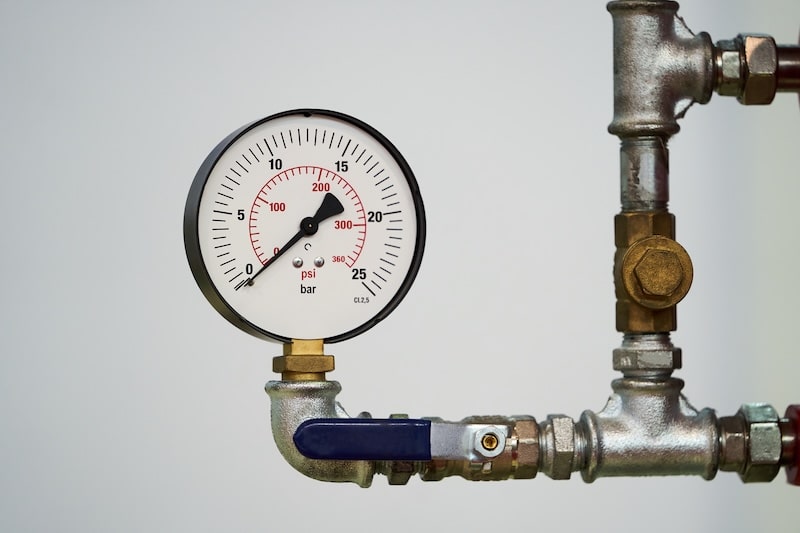
Water doesn’t just move on its own—it’s pushed, redirected, and regulated to flow properly through your home. That’s where these terms come in.
PSI (Pounds per Square Inch): This measures your water pressure. Most homes in Boise have between 40–80 PSI. Too high can damage your fixtures; too low can make your shower feel like a trickle.
- Pressure Regulator: If your pressure is too high, a regulator helps bring it down to a safe, consistent level. We often install or adjust these during plumbing inspections.
- Backflow Preventer: This device keeps dirty water from flowing backward into your clean water supply. It’s especially important for irrigation systems and commercial plumbing.
- Air Gap: Often seen in dishwashers and sink installations, this is a simple, vertical air break that prevents contaminated water from being siphoned back into clean lines.
Materials Matter
Not all pipes are created equal. We use different materials depending on the type of system, water pressure, budget, and code requirements.
- PEX: Cross-linked polyethylene pipe. It’s flexible, resistant to scale and chlorine, and increasingly popular in residential plumbing.
- PVC: Polyvinyl chloride. This white plastic pipe is commonly used for drain lines.
- CPVC: Chlorinated PVC. It’s used for hot and cold water supply and can handle higher temperatures than standard PVC.
- Copper: Still used in many older homes and some modern installations. It’s durable and corrosion-resistant but more expensive than plastic alternatives.
Toilet Troubles? Here’s the Lingo

Toilets have their own vocabulary, and we use it every day when we’re called out to fix toilets in Boise homes.
- Float Ball: This buoyant ball rises and falls with water level inside the tank, controlling the flow of incoming water.
- Fill Valve: The mechanism that allows water to refill the tank after a flush.
- Flush Valve: Opens to let water from the tank rush into the bowl, creating the flush.
- Chain and Flapper: When you press the flush handle, it lifts a chain, which raises the flapper. This releases water to flush the bowl.
If your toilet keeps running or doesn’t flush properly, one of these components may be worn out or misaligned.
Sewer vs. Septic

When it comes to wastewater, homes in the Boise area are either connected to the municipal sewer system or have their own septic system.
- Sewer Line: Carries all wastewater from your home to the city’s sewage treatment plant.
- Septic Tank: A buried tank on your property that treats waste on-site. Requires regular pumping to stay functional.
If your home uses a septic system, you’ll also hear terms like leach field, which refers to the drainage area where filtered wastewater is released.
Bonus Plumbing Terms You’ll Hear Us Use
Here are a few final terms that may come up during plumbing service:

- Descaling: Removing mineral buildup from pipes, especially in homes with hard water.
- Water Hammer: A loud banging noise caused by water suddenly stopping or changing direction. We fix this by adding air chambers or arrestors.
- Snaking: Using a long, flexible tool to break up clogs in drain lines.
- Hydro Jetting: Using high-pressure water to clear stubborn or recurring clogs from drain and sewer lines.
Lingo Matters
We never expect you to be fluent in plumbing terms. But we believe that explaining things clearly—and offering insight into our work—builds trust. Whether we’re fixing a toilet, installing new piping, or diagnosing a pressure problem, you should always know what we’re doing and why.
The more you understand, the easier it is to spot issues early and make informed decisions about repairs or upgrades. Plus, knowing how to describe problems makes it easier for us to help you faster.
If anything’s unclear or you hear a new term, just ask. We’re always happy to explain it in plain English.
About Viking Plumbing in Boise, Idaho
At Viking Plumbing, we pride ourselves on honesty, experience, and fast response times. We’ve been helping Boise homeowners and businesses with plumbing needs for years, from fixing toilets and clearing drains to replacing water heaters and resolving sewer issues. When you need a Boise plumber you can trust, give us a call. We’re here to help you get things flowing again.