
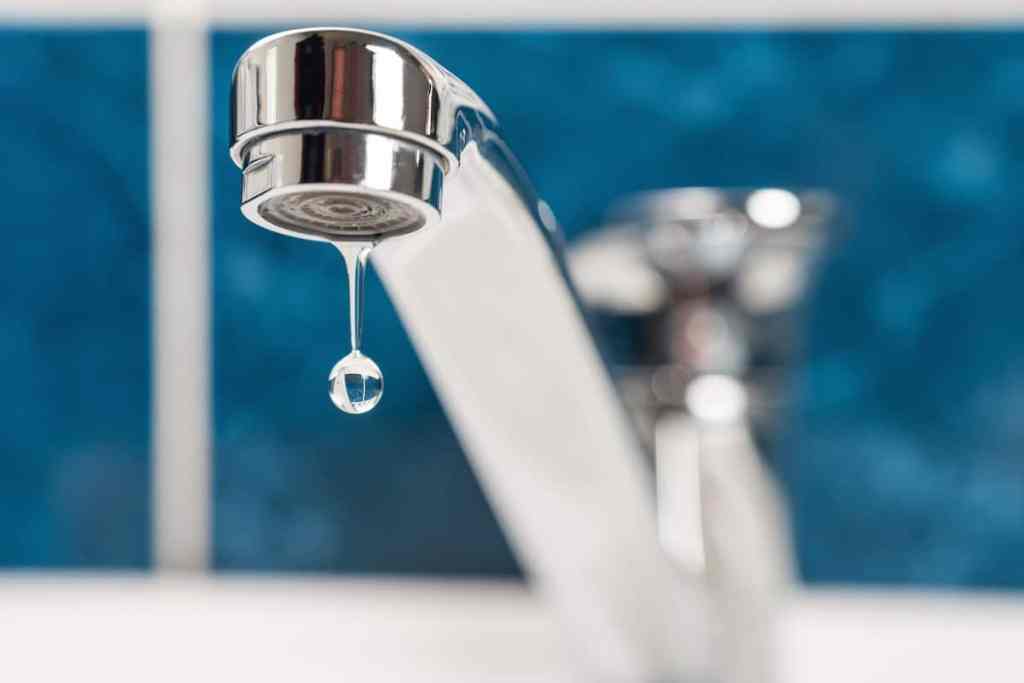

A dripping faucet is easy to recognize when the problem happens constantly. However, what if your faucet only drips occasionally? Perhaps you hear water dripping late at night, notice a few drops after someone takes a shower, or discover that the problem disappears for several days before returning. Although an intermittent drip might seem less concerning than a steady leak, it can still indicate a plumbing issue that deserves attention.
At Viking Plumbing Boise, we help homeowners throughout Boise and the rest of the Treasure Valley identify plumbing problems that aren’t always easy to reproduce. Because water pressure, temperature changes, and internal faucet components can all influence how a fixture operates, an occasional drip may have several possible explanations. Understanding those possibilities can help you determine whether you’re dealing with normal residual water or a developing leak.
Why Would a Faucet Leak Intermittently?
When a faucet is turned off, internal components are supposed to stop the flow of water. Depending on the faucet’s design, those components may include cartridges, washers, seals, or valve seats. However, as these parts wear or operating conditions change, they may no longer create a consistent seal. As a result, water might escape only under certain circumstances. For example, a faucet could remain dry during the day but begin dripping when household water pressure increases overnight. Likewise, changes in temperature may temporarily affect how tightly internal components fit together.
Although these symptoms can seem unpredictable, they often provide useful clues about what’s happening inside the fixture.
Water Pressure Changes Can Reveal a Weak Seal

As a rule, water pressure naturally fluctuates throughout a plumbing system. When multiple fixtures are operating simultaneously, pressure at an individual faucet may decrease. Conversely, when household water demand drops, pressure can increase. If a faucet contains a worn washer or deteriorating cartridge, those fluctuations may influence whether water escapes through the fixture. Consequently, you might notice dripping at certain times of day while the faucet appears to operate normally at others.
Several conditions can contribute to pressure-related dripping:
- Changes in neighborhood water demand throughout the day.
- A malfunctioning or improperly adjusted pressure-reducing valve.
- Pressure fluctuations when appliances or other fixtures operate.
- Excessive household water pressure that places additional stress on faucet components.
Because pressure problems can affect more than one plumbing fixture, it’s important to determine whether the issue is isolated to a single faucet. If several fixtures exhibit unusual behavior, the problem may involve the home’s broader plumbing system rather than one worn component.
- Changes in neighborhood water demand throughout the day.
- A malfunctioning or improperly adjusted pressure-reducing valve.
- Pressure fluctuations when appliances or other fixtures operate.
- Excessive household water pressure that places additional stress on faucet components.
Temperature Changes and Thermal Expansion

In many cases, temperature can nfluence how plumbing fixtures behave, particularly when hot water is involved. As materials warm and cool, they expand and contract slightly. Although these changes are usually small, they can affect components that are already worn or deteriorating. For example, a faucet might drip after hot water has been running because temperature changes temporarily affect an internal seal. Once the components cool, the dripping may stop, making the problem appear to resolve itself.
Additionally, water expands as it heats. In a closed plumbing system, thermal expansion from the water heater can increase pressure unless an appropriate expansion-control device accommodates it. Under certain circumstances, that additional pressure may expose a weakness in an aging faucet. However, a dripping faucet alone doesn’t establish that thermal expansion is the cause. A professional plumber can evaluate the system and determine whether pressure changes are contributing to the problem.
Worn Faucet Cartridges and Internal Seals

Many modern faucets use cartridges to control water flow and temperature. Over time, the internal seals can deteriorate, mineral deposits may accumulate, or moving components may become worn.
Initially, that deterioration might cause only occasional dripping. However, as the components continue to wear, the problem may become more frequent.
Depending on the faucet’s design, potential trouble spots include:
- Worn rubber washers or O-rings.
- Deteriorating cartridge seals.
- Mineral buildup that interferes with proper sealing.
- Damaged valve seats or internal surfaces
- Loose or worn components within the faucet assembly.

Because these problems can produce similar symptoms, replacing random parts isn’t always the most effective approach. Instead, identifying the faucet type and inspecting the appropriate components can help determine whether a repair or replacement makes more sense.
Is It Actually a Leak or Just Leftover Water?
Before assuming something is wrong, it’s worth considering where the water is coming from. Some faucets, particularly those with longer spouts or pull-down sprayers, can release small amounts of water after being turned off.
This happens because water remaining inside the spout or spray head gradually drains out. Unlike a leaking valve, residual water is limited to what’s already inside the fixture. However, there’s an important distinction between a few drops immediately after use and dripping that begins long after the faucet has been turned off. If the faucet repeatedly starts dripping hours later, an internal sealing or pressure-related issue becomes more likely.

Therefore, paying attention to when the dripping occurs can help narrow down the possibilities.
When Should You Call a Plumber?
An occasional drip doesn’t always require an emergency plumbing appointment. Nevertheless, ignoring a developing leak can waste water and allow a relatively minor problem to worsen.
Consider contacting a professional plumber if:
- Dripping begins long after the faucet has been turned off.
- The problem is becoming more frequent or persistent.
- Water pressure seems unusually high or inconsistent.
- The faucet handle becomes difficult to operate.
- You notice moisture around the faucet base or beneath the sink.
- Multiple fixtures begin showing similar symptoms.
Furthermore, if you’re experiencing pressure changes throughout your home, a professional evaluation can help identify whether the problem extends beyond the faucet itself.
How Viking Plumbing Boise Can Help

At Viking Plumbing Boise, we understand how frustrating intermittent plumbing problems can be. After all, it’s difficult to explain a leak that seems to disappear whenever someone comes to inspect it. That’s why we encourage homeowners to pay attention to patterns, including when the dripping occurs, whether hot or cold water was recently used, and whether other fixtures were operating at the time. These details can provide valuable clues during the diagnostic process.
Whether the solution involves replacing a worn cartridge, repairing a faucet, or investigating a water pressure concern, our goal is to identify the underlying problem and recommend an appropriate repair.
Don’t Wait for an Occasional Drip to Become a Constant Problem
A faucet that drips only sometimes may seem like a minor inconvenience. However, intermittent symptoms can be early signs of wear, pressure fluctuations, or other plumbing conditions that deserve attention. By addressing the cause rather than simply tolerating the dripping, you may be able to prevent unnecessary water waste and avoid more extensive repairs later. If you’re dealing with an unpredictable faucet leak in Boise, Meridian, Eagle, Garden City, or the surrounding Treasure Valley, Viking Plumbing Boise can help you understand what’s happening and determine the next step.
About Viking Plumbing Boise in Boise, Idaho
Viking Plumbing Boise provides professional plumbing services for residential and commercial customers throughout Boise, Meridian, Eagle, Garden City, and the surrounding Treasure Valley. From faucet repairs and water leak detection to water heaters, drain cleaning, and other plumbing concerns, we focus on identifying problems and providing dependable solutions. Our goal is to deliver quality workmanship, clear communication, and professional service that customers can rely on.