

Many signals show it’s time to re-pipe. Just like any component in your Boise home, the pipes that transport water have a finite lifespan. Regrettably, no piping system is immune to the ravages of time and usage. As the years tick by, even the highest-quality materials will eventually succumb to corrosion, mineral buildup, and structural deterioration. When this happens, a cascade of plumbing woes can ensue, ranging from frustrating leaks to catastrophic bursts.
While a plumber can resolve some isolated issues, inevitably, comprehensive re-piping emerges as the most prudent solution. But how can you tell when that pivotal moment has arrived? Let’s explore the telltale signs that it is time to invest in a whole-house re-piping project.
Recurring Clogs: Could Signify a Re-pipe is in Order
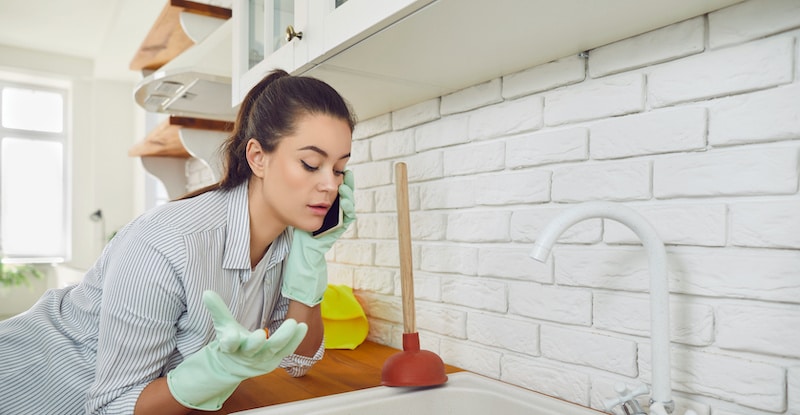
If you find yourself battling persistent clogs, no matter how diligently you maintain your drains, it could signify a deeper issue with your pipes. Older galvanized steel or cast iron pipes are particularly susceptible to internal buildup and corrosion, gradually narrowing the flow path until even toilet paper becomes a formidable obstacle.
While chemical drain cleaners might provide temporary relief, they do not address the underlying problem. If clogs have become a recurring headache, it’s likely time to consider re-piping your Boise home with smoother, more resilient materials like PEX or CPVC.
Leaks: The Writing on the Wall (or Floor)
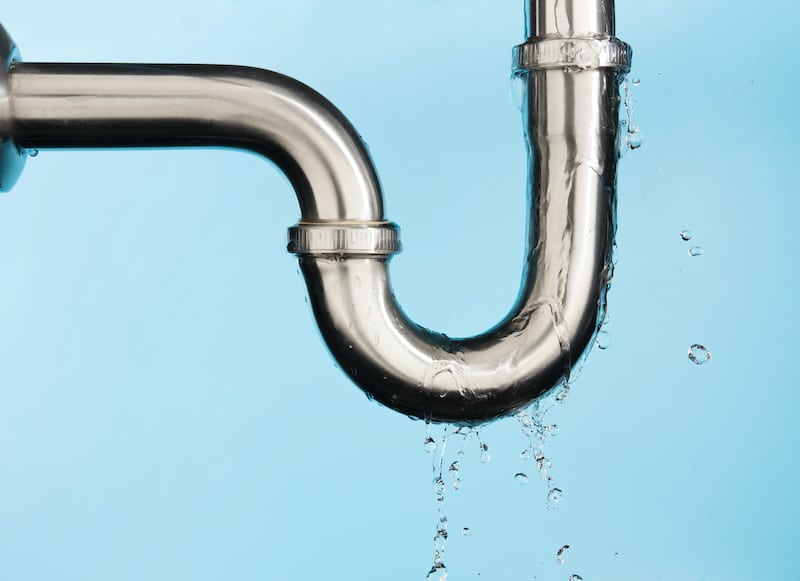
Leaky pipes are more than just an annoyance – they are a clear warning sign that your plumbing system is in distress. Whether you are noticing damp spots on your walls, ceilings, or floors, or puddles accumulating around exposed piping, these leaks could indicate widespread corrosion or structural weaknesses.
Noisy Pipes: The Soundtrack of Aging Plumbing Require a Re-Pipe

Have you noticed your pipes emitting strange noises, such as banging, gurgling, or whistling? These auditory cues could be your plumbing system’s cry for help. As pipes age and become corroded or obstructed, the turbulent flow of water can create a cacophony of unsettling sounds.
Dwindling Water Pressure: A Trickle of Frustration
Few things frustrate as much as turning on the shower only to secure a feeble trickle of water. Low water pressure can make even the simplest tasks, like washing dishes or flushing the toilet, a chore. While various factors can contribute to this issue, aging pipes are often the culprit.
Discolored or Foul-Smelling Water: A Health Concern

Clean, fresh-tasting water is a modern luxury we often take for granted – until our pipes start delivering a less-than-palatable product. If you’re noticing rust-colored, yellow, or brown water emanating from your taps, it’s a clear sign that your pipes are corroding from the inside out.
Re-Pipe Corrosion: The Visible Signs of Decay
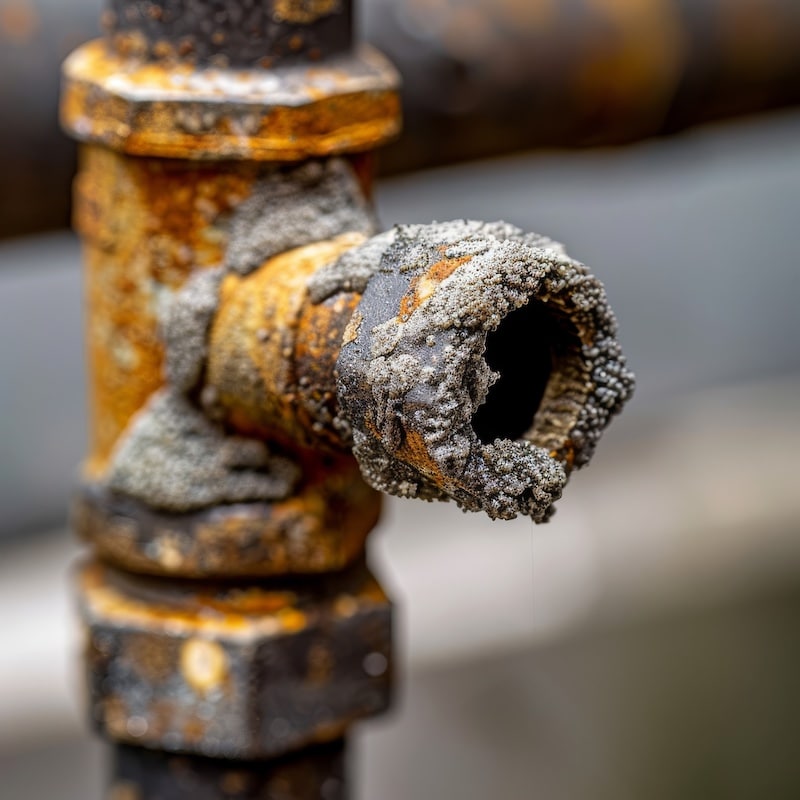
In some cases, the need for re-piping becomes glaringly obvious – you can see the corrosion with your own eyes. If exposed sections of your pipes are exhibiting signs of deterioration, such as peeling, staining, rust, or general discoloration, it’s a clear indicator that the piping has reached the end of its serviceable life.
Fluctuating Water Temperatures: A Shower Surprise

Few experiences jar as much as stepping into a perfectly temperate shower. Lukewarm water assaults you, followed by a sudden blast of scalding hot or ice-cold water. These dramatic temperature fluctuations can be more than just an unpleasant surprise – they can pose a serious safety hazard, especially for young children or elderly individuals.
Outdated or Problematic Piping Materials
While the signs we have discussed thus far are often the most obvious indicators that re-piping is necessary, there are certain piping materials that are inherently prone to failure, regardless of their outward appearance. If contractors build your home or renovated it during a specific era, the type of pipes produce a ticking time bomb.
The Lifespan of Copper Pipes: Not All Are Created Equal
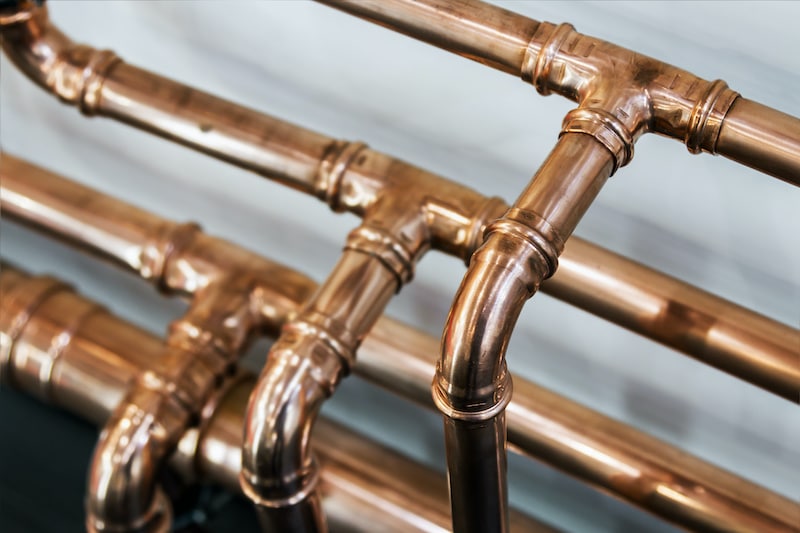
For many homeowners, the presence of copper piping is often seen as a reassuring sign of quality and longevity. However, it’s important to recognize that not all copper pipes are created equal, and their lifespan can vary significantly based on the specific type and installation methods used.
The Age of Your Home: A Ticking Clock & Possible Sign to Re-Pipe
While the specific piping material used in your Boise home is certainly a crucial factor in determining the need for re-piping, the age of your residence itself can also be a reliable indicator. Homes built in the 1970s or earlier were often outfitted with galvanized steel pipes, which are now approaching or exceeding their 50-year lifespan.
Choosing the Right Piping Material: Balancing Cost and Longevity
One of the key decisions you will face during a re-piping project is selecting the type of piping material to be installed in your Boise home. Each option comes with its own set of pros and cons, and your choice will likely be influenced by factors such as your budget, desired lifespan, and personal preferences.
Copper Pipes for a Re-Pipe
While more expensive upfront, offer exceptional durability and longevity. With the potential to last 50 years or more with proper installation and maintenance, a re-pipe may be in order. Pipes are also highly resistant to corrosion and mineral buildup, ensuring consistent water flow and pressure over time.
CPVC (chlorinated polyvinyl chloride) pipes
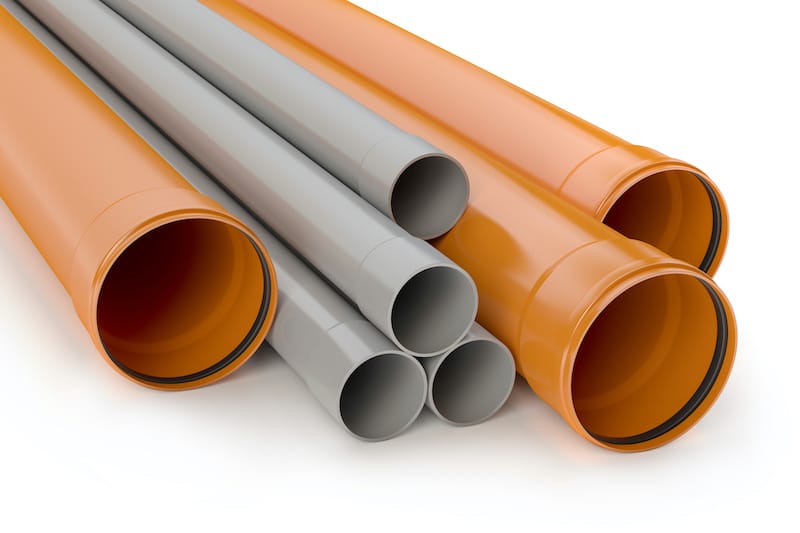
A popular choice for re-piping projects due to their affordability and ease of installation. While not quite as long-lasting as copper, CPVC pipes can provide reliable service for 25 to 40 years, making them a cost-effective option for many homeowners.
PEX (cross-linked polyethylene)
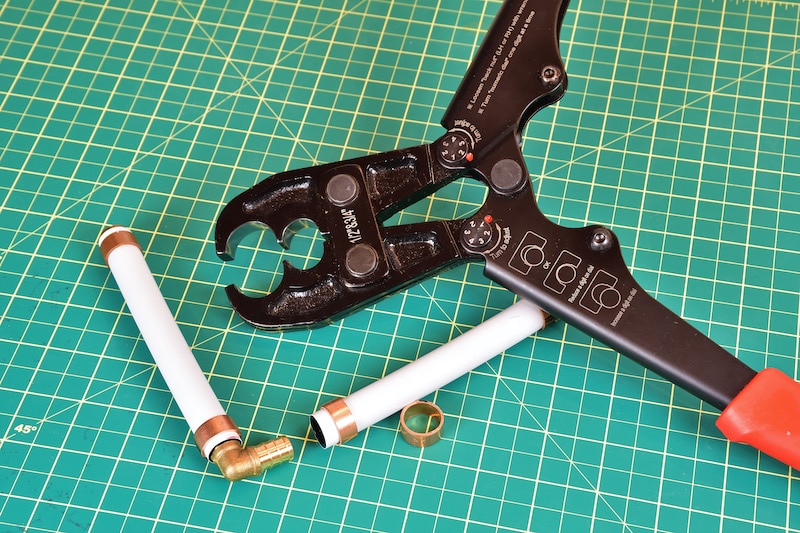
A newer addition to the plumbing world but have quickly gained popularity due to their flexibility, affordability, and resistance to mineral buildup and corrosion. With a lifespan of up to 50 years, PEX pipes offer a compelling combination of performance and value.
Your trusted #PlumbingBoise contractor can help you weigh the pros and cons of each material, considering your specific needs, budget, and long-term goals for your home’s plumbing system.
About Viking Plumbing in Boise, Idaho
Viking Plumbing has become Boise’s long standing go to Plumber. With 35 years of experience, we have worked hard to earn the trust of our customers by providing exceptional plumbing, and customer service. Our customers continue to let us know their appreciation of our work with their 5 star testimonials. Whether you are dealing with clogged drains or need a whole home re-piping service, there is not a plumbing job too big for us to handle. If you or anyone you know are suffering from a plumbing issue, or are looking for a professional plumber to trust, we encourage you to give us a call now. (208) 369-9933 Let us earn your trust and business by providing you with the best Plumbing Service in Boise, Idaho!